Ever felt that irritating dry cough, experienced static shocks, or noticed your beautiful wooden furniture starting to crack? These aren’t just minor annoyances; they’re often tell-tale signs of excessively dry indoor air, a common problem, especially during colder months. While a small portable unit might offer temporary relief in one room, imagine a solution that transforms the entire atmosphere of your home, silently and efficiently. That’s precisely the magic of a Whole Home Humidifier.
At HumidifyPro Vietnam, we believe in creating living spaces where comfort and health go hand-in-hand. A whole home humidifier isn’t just an appliance; it’s an investment in your well-being and the longevity of your home. It works seamlessly with your existing heating and cooling system to infuse your entire living environment with the perfect amount of moisture, making every breath feel better, every touch feel smoother, and every piece of your home look its best.
Understanding the Humidifier: More Than Just Mist
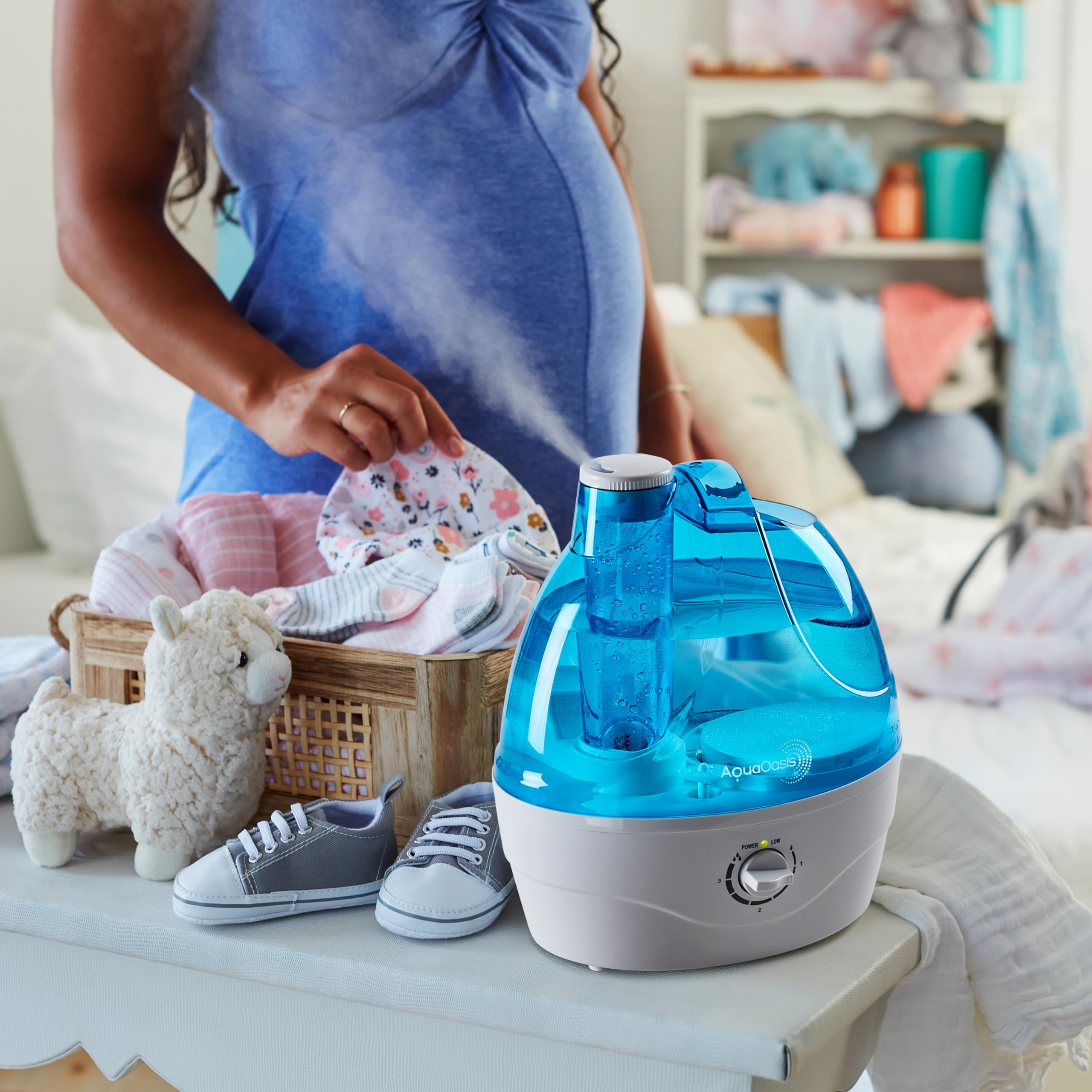
Before we delve into the world of whole home humidifiers, let’s briefly touch upon what a humidifier does in general. Simply put, a humidifier adds moisture, or water vapor, to the air. Think of it as balancing the atmosphere in your home, especially when the air becomes parched due to heating systems or naturally dry climates.
Portable humidifiers are familiar to many—standalone units you fill with water and place in a room. They’re great for localized relief, like a bedroom at night. However, for comprehensive and consistent humidity control across all your living spaces, a whole home humidifier connected to your HVAC system is the ultimate game-changer. These robust systems eliminate the constant refilling, cleaning, and moving associated with portable units, offering a truly set-it-and-forget-it experience. They ensure that from your living room to your kitchen, your study to your bedroom, every corner of your home maintains an ideal relative humidity level, typically between 35% and 50%.
Types of Whole Home Humidifiers and Their Working Principles
Whole home humidifiers integrate directly with your home’s central heating and cooling system, distributing moisture through your existing ductwork. They come in several main types, each with unique operational principles:
Bypass Humidifiers
Bypass humidifiers are often the most common and economical choice. They work by diverting warm air from your furnace through a water-soaked pad, or evaporator pad, before returning this now-humidified air to your ductwork for distribution throughout your home. They rely on the furnace blower to move air, meaning their operation is typically tied to your heating cycle. They’re known for their quiet operation and energy efficiency since they don’t have a dedicated fan.
Fan-Powered Humidifiers
Similar to bypass units, fan-powered humidifiers also use a water-soaked pad. However, they include an integrated fan that actively pulls air across the pad, allowing them to produce more humidity than bypass models. This fan also means they can operate more independently of your furnace blower, providing consistent moisture even when your heating system isn’t running at full capacity. They are a great choice for medium to large homes needing steady humidity output.
Steam Humidifiers
For ultimate precision and high output, steam humidifiers are the top-tier choice. These systems use electricity to boil water within a canister, creating sterile steam that is then released directly into your home’s ductwork. Because they generate their own steam, they can operate entirely independently of your furnace, offering immediate and highly accurate humidity control, even in very large homes or extremely dry climates. While they have higher upfront and operating costs due to electricity consumption, their effectiveness and precise control are unmatched.
Console-Style Whole Home Humidifiers
While not integrating directly with HVAC, console or pedestal-style humidifiers are designed to humidify larger areas than typical portable units, often up to 3,000 square feet. These freestanding evaporative units are placed in a central location and use an internal fan to circulate moist air. They are a good option for homes without existing ductwork or for those seeking an easier, professional-installation-free setup.
The Profound Benefits: Why Your Home Needs a Whole Home Humidifier
Investing in a whole home humidifier extends far beyond mere comfort; it’s about safeguarding your health, protecting your home, and even improving your energy bills.
Improved Respiratory Health and Reduced Allergies
Dry air can wreak havoc on your respiratory system, drying out nasal passages, throats, and lungs. This irritation can worsen conditions like asthma and allergies, and even lead to frequent nosebleeds. A whole home humidifier maintains optimal humidity, soothing these sensitive tissues and helping to thin mucus, which makes it easier to clear allergens like dust and pollen from your body. “Maintaining proper humidity levels is a critical, yet often overlooked, component of indoor air quality,” says Dr. Anya Sharma, a renowned indoor air quality expert. “It significantly reduces irritation in the airways and can even help curb the spread of airborne pathogens.”
Better Sleep and Less Snoring
If you or a loved one struggles with snoring, dry air might be a contributing factor. Low humidity can dry out the soft palate, irritating the throat and nasal passages. By keeping these areas moist, a whole home humidifier can alleviate the dryness that triggers snoring, leading to a more restful night’s sleep for everyone in the household.
Healthier Skin and Hair
Tired of dry, itchy skin, chapped lips, and dull, brittle hair, especially during the dry season? Your home’s air quality is likely to blame. A whole home humidifier infuses the air with much-needed moisture, hydrating your skin from the inside out and helping to maintain the natural moisture balance of your hair and scalp. Say goodbye to that constant need for lotion and lip balm!
Protection for Your Home and Furnishings
Your home itself can suffer from persistent dry air. Wooden floors, furniture, musical instruments, and even structural elements can warp, crack, and shrink when humidity levels are too low. By maintaining stable, optimal humidity, a whole home humidifier acts as a silent guardian, preserving the integrity and beauty of your valuable possessions and the very structure of your home.
Energy Efficiency and Cost Savings
It’s a common misconception that turning up the heat is the only way to feel warmer. In reality, humidified air feels warmer than dry air at the same temperature. This means that with a whole home humidifier, you can often lower your thermostat a few degrees in winter and still feel comfortable, potentially saving you hundreds on your annual heating bills. It’s a smart way to make your home more energy-efficient.
Reduced Static Electricity
Ever get that annoying shock when you touch a doorknob, or find your clothes clinging to you? That’s static electricity, and it thrives in dry environments. By adding moisture to the air, a whole home humidifier effectively neutralizes these static charges, making your home a more comfortable and shock-free zone.
Factors to Consider When Choosing a Whole Home Humidifier
Selecting the right whole home humidifier requires a bit of thought to ensure it perfectly matches your needs and home setup.
- Home Size and Capacity: Humidifiers are rated by their daily moisture output (Gallons Per Day or GPD). Consider your home’s total square footage and airtightness. Larger, less air-tight homes will require a higher GPD unit.
- HVAC System Compatibility: Most whole home humidifiers are designed to integrate with forced-air heating and cooling systems. Ensure your existing HVAC setup can accommodate the chosen humidifier type. Professional consultation is key here.
- Water Type: If you have hard water, mineral buildup can be a concern. Some models, like specific Honeywell units, are designed with flow-through systems to minimize buildup and extend maintenance intervals.
- Control Features: Look for models with an integrated humidistat, which automatically monitors and adjusts humidity levels. Smart controls with Wi-Fi connectivity and app integration offer convenience for remote monitoring and adjustment.
- Installation Requirements: While console units are easy to set up, HVAC-integrated humidifiers require professional installation due to connections to your ductwork, water lines, and electrical systems.
- Maintenance Needs: Consider the frequency of water panel/filter replacement and ease of cleaning. Some units are designed for easier maintenance.
- Energy Consumption: Steam humidifiers typically use more electricity, while bypass and fan-powered evaporative units leverage your furnace’s heat, making them generally more energy-efficient.
Guidance on Whole Home Humidifier Usage and Maintenance
Once your whole home humidifier is installed, a few simple practices will ensure it runs efficiently and effectively for years to come.
- Professional Installation: While some guides might suggest DIY, connecting a whole home humidifier to your HVAC, water, and electrical systems is a complex task best left to certified professionals. This ensures proper sizing, safe operation, and prevents potential issues like leaks or system damage.
- Set Optimal Humidity Levels: Aim to maintain indoor relative humidity between 35% and 50%. Your humidistat will allow you to set your desired level, and the system will work to maintain it automatically.
- Regular Water Panel/Filter Replacement: The evaporator pad or water panel is crucial for operation. It should be inspected and typically replaced at the beginning of each heating season, or more frequently (every 1-3 months) if you have hard water or heavy usage.
- System Cleaning: Periodically clean the humidifier unit, especially the distribution tray, to prevent mineral buildup and mold growth. Following manufacturer guidelines for cleaning is essential to maintain air quality.
- Check Water Supply and Drain Lines: Ensure the water supply line is clear and the shutoff valve is open. For models with drain lines, make sure they are clear of obstructions.
- Seasonal Adjustments: Generally, whole home humidifiers are used during the drier, colder months. At the end of winter, it’s advisable to drain the system, clean all parts thoroughly, replace the filter, and let everything dry before powering it off for the warmer seasons.
Tips for Optimizing Efficiency and Troubleshooting Common Issues
To get the most out of your whole home humidifier and ensure a consistently comfortable indoor environment, consider these practical tips:
- Seal Drafts and Leaks: A well-sealed home retains humidity more effectively, reducing the workload on your humidifier. Check for drafts around windows and doors and seal any leaks in your ductwork.
- Proper Humidistat Placement: If your humidistat is a wall-mounted unit, ensure it’s not near heat sources, cold drafts, or direct sunlight, which could skew readings and lead to inaccurate humidity control.
- Monitor for Over-Humidification: While dry air is the primary concern, too much humidity can lead to condensation on windows and walls, potentially fostering mold growth. If you notice persistent condensation, lower your humidistat setting.
- Troubleshooting Common Issues:
- No Humidity Output: Check the water supply, ensure the humidistat is set correctly, and inspect the water panel for clogs or dryness.
- Leaks: Turn off the water supply immediately and check all connections and drain lines for proper sealing.
- Unusual Noises: This could indicate a loose part, a clogged filter, or an issue with the fan motor. Professional inspection might be needed.
Frequently Asked Questions About Whole Home Humidifiers
What is the ideal humidity level for a home?
The generally recommended indoor relative humidity level is between 35% and 50% for optimal comfort, health, and home protection.
How often do I need to refill a whole home humidifier?
Unlike portable units, whole home humidifiers are connected directly to your home’s water supply, eliminating the need for manual refilling.
Can a whole home humidifier help with allergies?
Yes, by maintaining proper humidity, a whole home humidifier can soothe irritated nasal passages and help prevent dry air from exacerbating allergy symptoms, making it easier to breathe.
Is professional installation necessary for a whole home humidifier?
Absolutely. Due to the complex connections to your HVAC system, water lines, and electrical components, professional installation is strongly recommended to ensure safety, efficiency, and to validate warranties.
How does a whole home humidifier save energy?
Humidified air feels warmer than dry air at the same temperature. By adding moisture, you can often set your thermostat lower in winter while maintaining comfort, thus reducing heating costs.
What is the difference between bypass and fan-powered humidifiers?
Bypass humidifiers rely on your furnace blower to move air, while fan-powered humidifiers have their own internal fan for increased output and more independent operation.
How often should I clean my whole home humidifier?
Regular cleaning, particularly of the water panel and distribution tray, is crucial. It’s often recommended to clean the unit and replace the water panel at the start of each heating season, or more frequently if you have hard water.
Embrace a Healthier, More Comfortable Home
The dry air within our homes often goes unnoticed until its effects become undeniable—from irritating static shocks and uncomfortable respiratory issues to damage to our beloved wooden possessions. A whole home humidifier offers a sophisticated, effortless, and highly effective solution, transforming your entire living environment into a sanctuary of balanced comfort.
At HumidifyPro Vietnam, we are dedicated to helping you achieve optimal indoor air quality. By integrating a whole home humidifier into your lifestyle, you’re not just adding moisture; you’re investing in improved health, better sleep, a protected home, and even potential energy savings. We encourage you to explore how a whole home humidifier can elevate your home’s atmosphere and bring a new level of well-being to your family. Experience the profound difference—your home, and your body, will thank you.