Stepping into a home with perfectly balanced humidity is like a breath of fresh air, literally. If you’ve ever felt the sting of dry air on your skin or the scratch in your throat during colder months, you know just how crucial proper indoor moisture can be. That’s where a humidifier comes in, transforming your living space into a more comfortable and healthier environment. Among the various options available, the Warm Air Humidifier stands out as a timeless choice, offering unique benefits that many find particularly soothing.
What Exactly is a Warm Air Humidifier?
At its core, a humidifier is a device designed to add moisture to the air. But a warm air humidifier, often called a steam vaporizer, does this with a distinct, comforting touch. Instead of releasing a cool mist, it uses heat to create a gentle, warm vapor. This method has been a staple in homes for generations, particularly when the air feels crisp and dry.
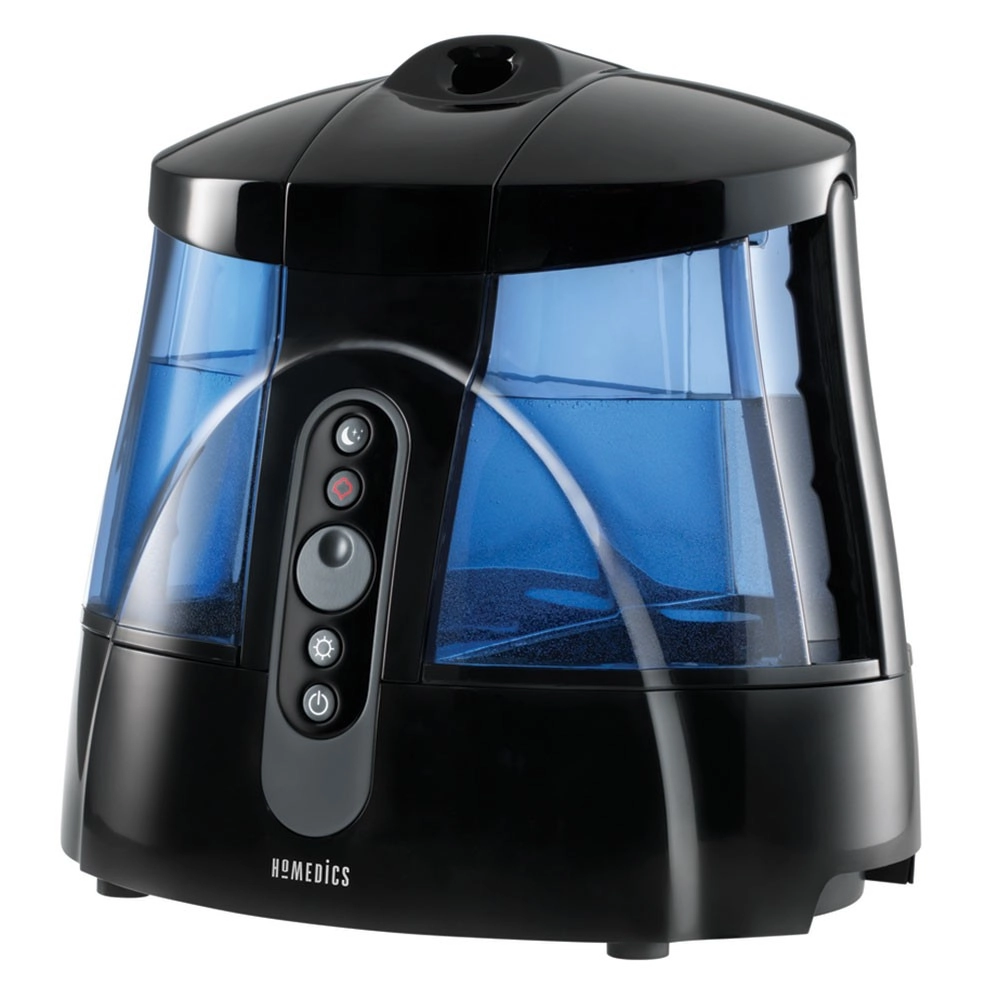
How Warm Mist Humidifiers Work
The principle behind a warm air humidifier is quite simple yet incredibly effective. Inside the unit, a heating element boils water from a reservoir. As the water reaches its boiling point, it converts into steam. This steam is then released into your room as a warm, fine mist. This process makes them largely self-regulating in terms of humidity output, adjusting to the room’s capacity to absorb moisture.
The “Steam” Difference: Purity in Every Puff
One of the most significant advantages of a warm air humidifier is the inherent purity of its mist. Because the water is boiled, the high temperature effectively kills most waterborne bacteria, mold spores, and other impurities before they are released into the air. This means the warm mist you breathe is often cleaner and more hygienic than what you might get from other types of humidifiers that don’t heat their water to such high temperatures. It’s a natural purification process, giving you peace of mind with every gentle exhalation.
Why Choose a Warm Air Humidifier? Exploring the Benefits
While all humidifiers aim to improve air quality by adding moisture, warm air humidifiers offer a suite of specific advantages that make them a preferred choice for many, especially during the cooler seasons.
Whisper-Quiet Operation for Peaceful Nights
Unlike some cool mist humidifiers that rely on internal fans to disperse moisture, most warm air humidifiers operate without a fan. This boiling and steam-release process results in significantly quieter operation. Imagine a peaceful night’s sleep without the constant hum or whirring noise – just the gentle warmth and soothing quiet. This makes them ideal for bedrooms, nurseries (with caution for safety, which we’ll discuss), or any space where tranquility is paramount.
Naturally Cleaner Mist
As mentioned, the boiling of water not only creates steam but also acts as a natural sterilization process. This significantly reduces the risk of dispersing bacteria, mold, or mineral dust that can accumulate in the water reservoir of unheated units. For those concerned about airborne contaminants, the warm air humidifier offers a cleaner, purer mist that contributes to a healthier indoor environment.
A Touch of Warmth in Chilly Seasons
When winter winds howl and indoor heating systems strip the air of its moisture, a warm air humidifier can offer a welcome embrace. The warm mist it releases can slightly raise the ambient temperature of a smaller room, contributing to a cozier feel. While it won’t replace your heating system, that subtle added warmth can make a significant difference in comfort, potentially allowing you to turn down your thermostat a degree or two and save on energy bills.
Soothing Relief for Dryness and Discomfort
The benefits of optimal humidity extend to our physical well-being. A warm air humidifier can be particularly soothing for dry nasal passages, irritated throats, and persistent coughs, especially those associated with colds, flu, or seasonal allergies. The warm, moist air helps to loosen mucus, making it easier to breathe and providing temporary relief from congestion. Many users also find that warm mist helps alleviate dry, itchy skin and chapped lips, common woes in arid environments.
“Maintaining adequate humidity is not just about comfort; it’s a vital component of a healthy indoor ecosystem,” notes Dr. An Nguyen, Environmental Health Specialist at HumidifyPro Vietnam. “The gentle, clean mist from a warm air humidifier can provide significant relief for respiratory discomfort and support overall well-being, especially during dry spells.”
Navigating the Nuances: Important Considerations for Warm Air Humidifiers
While the benefits are clear, it’s essential to be aware of certain considerations when choosing and using a warm air humidifier to ensure safety and optimal performance.
Safety First: Hot Water and Steam Hazards
The primary consideration for warm air humidifiers is the presence of hot water and steam. Because these units boil water, the steam produced is hot, and the water inside the reservoir is heated. This poses a burn risk if the unit is knocked over or if hands come into direct contact with the steam vent. For this reason, we generally advise against using warm air humidifiers in homes with curious young children or active pets who might accidentally tip the unit or touch hot surfaces. Always place the humidifier on a stable surface, out of reach, and exercise caution when refilling or moving it.
Energy Consumption: What to Expect
Boiling water requires energy. Consequently, warm air humidifiers typically consume more electricity than their cool mist counterparts, which usually only power a fan or ultrasonic vibrator. While the cost difference might not be astronomical, it’s a factor to consider, especially if you plan to run your humidifier continuously. Modern designs are often more energy-efficient, but it’s always wise to check the specifications.
The Cleaning Commitment: Keeping Your Humidifier Pristine
Due to the heating element, warm air humidifiers can be more prone to mineral buildup, often referred to as “scale.” These mineral deposits can impede the heating element’s efficiency and eventually damage the unit if not regularly removed. While the boiling action kills most bacteria in the water, the reservoir itself still needs consistent cleaning to prevent the growth of mold or bacteria in stagnant water. This means committing to a regular cleaning regimen, which we’ll detail shortly.
Warm Mist vs. Cool Mist: Which is Right for You?
The debate between warm mist and cool mist humidifiers is a common one, and the “best” choice truly depends on your specific needs, environment, and priorities. Both effectively add moisture to the air, but they achieve this through different means and come with distinct characteristics.
Understanding the Core Differences
- Warm Mist Humidifier: Boils water, releases warm steam, quieter, naturally cleaner mist, potential burn risk, higher energy use, prone to mineral buildup on heating element.
- Cool Mist Humidifier: Releases room-temperature mist (via evaporation or ultrasonic vibration), safer for children/pets, lower energy use, often requires filters, can disperse bacteria/mold if not meticulously cleaned, may create “white dust” with hard water (ultrasonic type).
Making an Informed Choice
If your priority is a quieter operation, a naturally sterilized mist, and the added comfort of warmth in cooler climates, a warm air humidifier could be your ideal match. However, if you have young children or pets, or if energy efficiency is a top concern, a cool mist humidifier might be more suitable. It’s also worth noting that medical professionals often recommend cool mist for children due to the burn risk associated with warm mist units. Regardless of the type, maintaining proper humidity levels (ideally between 30% and 50%) is key to enjoying the benefits.
Mastering Maintenance: Keeping Your Warm Air Humidifier at Its Best
To ensure your warm air humidifier operates safely, efficiently, and effectively for years to come, regular maintenance is non-negotiable. Neglecting cleaning can lead to mineral buildup, reduced performance, and even the dispersal of unhealthy particles.
Daily Rituals for a Healthy Unit
Making a few simple steps part of your daily routine can go a long way:
- Empty and Rinse: Each time you use your humidifier, empty any remaining water from the tank and basin. Rinse them thoroughly with fresh water.
- Air Dry: Allow all parts to air dry completely before refilling or storing. This prevents the growth of mold and bacteria.
- Refill with Fresh Water: Always use fresh water for each use. Never let water sit in the tank for extended periods.
Weekly Deep Cleaning: Tackling Mineral Buildup
A more thorough cleaning should be performed weekly to address mineral buildup and sanitize the unit:
- Unplug and Cool: Always unplug your humidifier and allow it to cool completely before cleaning, especially if it’s a warm mist model.
- Descale with Vinegar:
- Remove the water tank and any removable trays.
- Fill the base (where the heating element is) with undiluted white vinegar, ensuring the heating element is submerged. Do not submerge the entire base, especially if it contains electrical components.
- Let it soak for at least 20-30 minutes, or longer for stubborn buildup (even overnight).
- While soaking, use a soft-bristled brush or a cloth moistened with vinegar to gently scrub away any mineral deposits on the heating element and other internal surfaces.
- Empty the vinegar and rinse all parts thoroughly with clean water until the vinegar smell is gone.
- Disinfect (Optional but Recommended):
- After descaling and rinsing, you can disinfect the unit. Some manufacturers recommend a dilute bleach solution (e.g., ½ gallon of water with ½ teaspoon of bleach). Always check your manufacturer’s instructions first.
- Pour the solution into the water tank, swish it around, then let it sit in the tank and drain into the base for about 20 minutes.
- Empty the solution and rinse all parts meticulously with fresh water to remove all traces of bleach.
- Dry Thoroughly: Allow all components to air dry completely before reassembling the unit.
The Importance of Distilled Water
Using distilled or demineralized water in your warm air humidifier can significantly reduce mineral buildup and the formation of “white dust” (which is less common with warm mist but still a factor if minerals get carried in the steam). Tap water, especially hard water, contains minerals that can precipitate out when heated, forming scale. While it might be a small extra cost, distilled water can save you time on cleaning and extend the life of your appliance.
Monitoring Your Home’s Humidity Levels
An essential aspect of humidifier maintenance isn’t just cleaning the unit, but also monitoring your home’s overall humidity. Investing in a hygrometer (a device that measures humidity) allows you to keep indoor humidity levels between the recommended 30% and 50%. Too much humidity can foster the growth of mold, dust mites, and bacteria, while too little defeats the purpose of the humidifier. Achieving this balance is key to a truly healthy environment.
Choosing Your Ideal Warm Air Humidifier: Key Factors to Consider
Selecting the right warm air humidifier involves more than just understanding how it works; it’s about matching the device to your lifestyle and space.
Room Size and Coverage
Humidifiers are designed for specific room sizes. Check the manufacturer’s specifications for the recommended coverage area (e.g., small, medium, large rooms, or square footage). A humidifier that’s too small for a large room won’t be effective, while one that’s too powerful for a small space might lead to excessive humidity.
Features and Technology
Modern warm air humidifiers come with a variety of features that enhance convenience and control:
- Auto Shut-Off: A crucial safety feature that turns the unit off when the water tank is empty.
- Adjustable Humidistat: Allows you to set your desired humidity level, and the unit will automatically maintain it.
- Essential Oil Tray: Some models include a separate tray for adding essential oils, allowing you to enjoy aromatherapy benefits (never add oils directly to the water tank).
- Night Light/Timer: Features for personalized comfort and convenience.
- Filter-Free Design: Most warm mist humidifiers are filter-free, which simplifies maintenance, but it’s always good to confirm.
Design and Aesthetics
While functionality is paramount, the look of your humidifier can also be a factor. With many sleek and modern designs available, you can find a warm air humidifier that not only performs brilliantly but also complements your home’s decor.
Frequently Asked Questions About Warm Air Humidifiers
Are warm air humidifiers good for congestion?
Warm air humidifiers can be beneficial for congestion by helping to loosen mucus in the nasal passages and throat, making it easier to breathe. The warm, moist air can soothe irritation, providing temporary relief from cold and flu symptoms.
Can I use essential oils in my warm air humidifier?
Only use essential oils in a warm air humidifier if it explicitly has a dedicated essential oil tray or diffuser compartment. Adding essential oils directly to the water tank can damage the unit and void its warranty.
How often should I clean my warm air humidifier?
For optimal performance and hygiene, the water tank and basin should be rinsed daily, and a thorough deep cleaning (descaling and sanitizing) should be performed at least once a week.
Is it safe to leave a warm air humidifier on all night?
Yes, it is generally safe to leave a warm air humidifier on all night, provided it is placed on a stable surface, out of reach, and maintained regularly. Ensure it has an auto shut-off feature for when the water runs out.
What’s the ideal humidity level?
The ideal indoor humidity level is typically between 30% and 50%. Maintaining this range helps prevent issues like dry skin and respiratory irritation, while also deterring mold growth and dust mites.
Conclusion
The warm air humidifier remains a valuable ally in the quest for a comfortable and healthy home environment. Its ability to produce a clean, warm, and soothing mist makes it an excellent choice for combating the effects of dry air, especially during the colder months. By understanding its unique advantages, being mindful of safety precautions, and committing to a consistent maintenance routine, you can harness the full power of a warm air humidifier to create an oasis of well-being in your living space. Embrace the gentle warmth and clearer air, and discover the difference a well-chosen and well-cared-for warm air humidifier can make.