Has the dry, unforgiving air ever left your skin feeling tight, your throat scratchy, or your houseplants wilting? You’re not alone. Many of us overlook the impact of indoor air quality, especially in smaller living or working spaces. The good news? A Small Room Humidifier can be a game-changer, transforming your environment into a haven of comfort and well-being. These compact devices are specifically designed to bring balanced moisture into your personal sanctuary, combating the adverse effects of dry air without overwhelming your space.
What Exactly is a Humidifier, and Why Does Your Small Room Need One?
At its core, a humidifier is a simple yet powerful appliance that releases water vapor or mist into the air, thereby increasing the relative humidity. While larger, whole-house systems exist, a small room humidifier is tailored for individual rooms like bedrooms, nurseries, home offices, or dorms. Dry air, often a result of heating or air conditioning systems, can strip moisture from your skin, respiratory system, and even your belongings. Maintaining an optimal indoor humidity level, generally between 30% and 50% (some experts suggest 40-60%), is crucial for comfort and health. For smaller spaces, a dedicated unit ensures targeted and efficient humidification, preventing issues like dry skin, static electricity, and irritated airways. It’s about creating a personal microclimate where you can truly thrive.
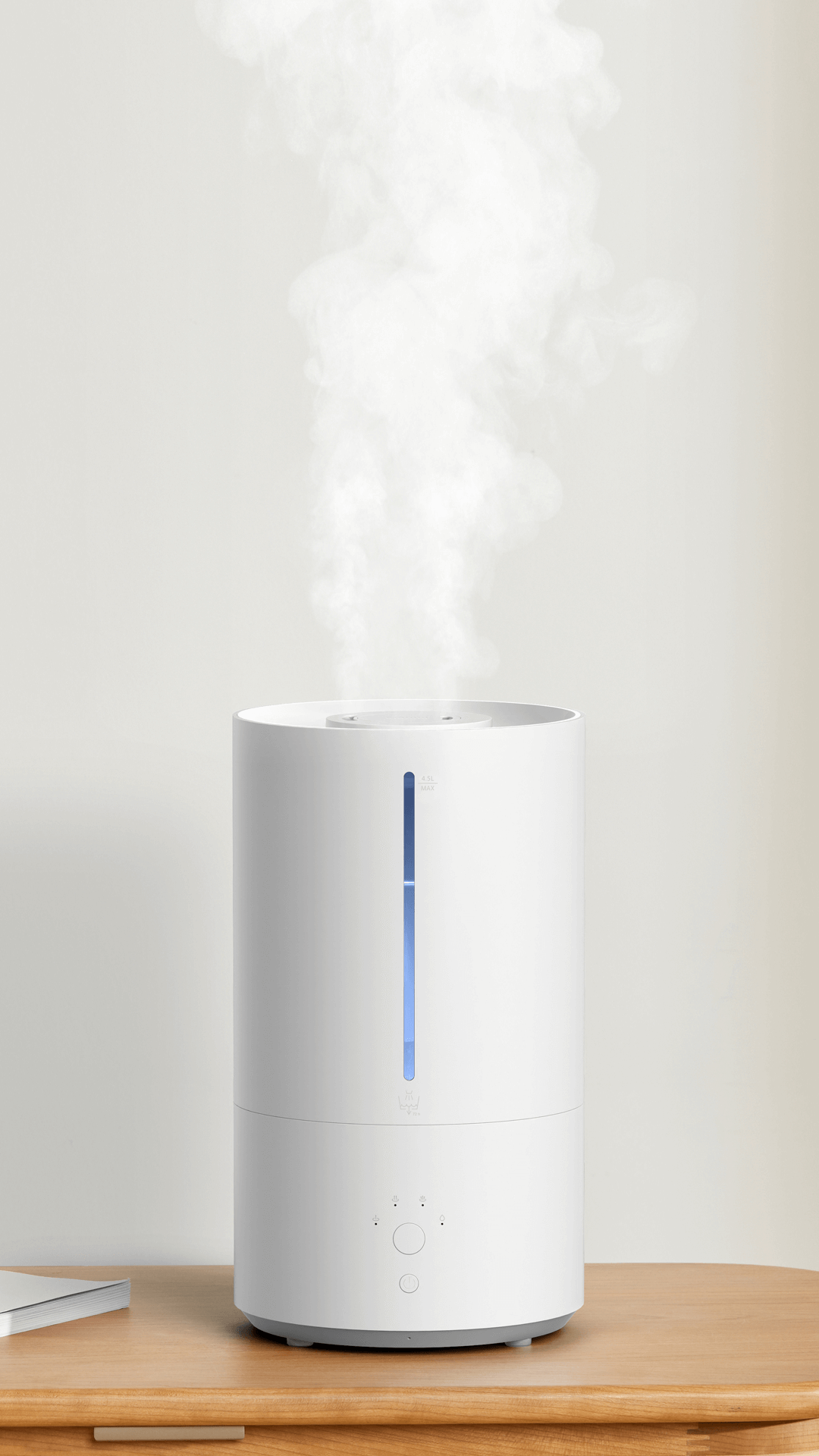
The Transformative Benefits of a Small Room Humidifier
Don’t let their size fool you; small room humidifiers pack a punch when it comes to improving your quality of life. The benefits extend far beyond just feeling a bit less dry.
Boosting Your Health and Well-being
- Healthy, Moisturized Skin: Dry air saps moisture, leaving your skin parched, itchy, and prone to flaking or cracking, especially during drier seasons. A humidifier infuses the air with moisture, helping your skin retain its natural hydration, leading to a softer, more supple complexion. This can even help your makeup apply smoother!
- Better Sleep Quality: Waking up with a dry throat or stuffy nose can significantly disrupt your sleep. A small room humidifier can soothe irritated nasal passages and throats, making breathing easier and reducing snoring, ultimately leading to a more restful night.
- Relief from Colds, Flu, and Allergies: When you’re battling a cold or seasonal allergies, dry air can worsen symptoms like congestion, coughing, and sore throats. The cool mist from a humidifier can help loosen mucus, soothe airways, and provide much-needed comfort, allowing you to recover faster. “Maintaining adequate humidity can significantly reduce the discomfort associated with common respiratory ailments,” advises Dr. Elena Petrova, a respiratory health specialist.
- Reduced Risk of Nosebleeds: Dry air can cause the delicate membranes in your nose to dry out and crack, increasing the likelihood of nosebleeds. A humid environment helps keep these membranes moist and healthy.
- May Help Prevent Viral Infections: Some studies suggest that maintaining optimal indoor humidity levels can inhibit the airborne survival of certain viruses, potentially reducing the spread of illnesses.
Protecting Your Home and Environment
- Keeps Houseplants Thriving: Many popular indoor plants, particularly tropical varieties like ferns and orchids, adore humidity. Dry indoor air can lead to crispy leaves, brown tips, and overall stunted growth. Placing a small humidifier near your greenery mimics their natural habitat, encouraging vibrant foliage and healthier growth.
- Protects Wooden Furniture and Musical Instruments: Wood is porous and sensitive to changes in humidity. Extremely dry air can cause wooden furniture, flooring, picture frames, and especially musical instruments like guitars and violins, to crack, shrink, or warp over time. A consistent humidity level helps preserve their integrity and extends their lifespan.
- Reduces Static Electricity: Ever experienced a shocking jolt from a doorknob or seen your hair stand on end? Low humidity is often the culprit behind static electricity. By adding moisture to the air, a humidifier can significantly reduce static cling, making your home feel more comfortable.
- Can Save on Heating Costs: Humid air feels warmer than dry air at the same temperature. By increasing the humidity, you might feel comfortable at a slightly lower thermostat setting, potentially saving on heating bills.
Decoding Humidifier Types: The Best Fit for Small Spaces
When choosing a small room humidifier, understanding the different types is key to finding your perfect match.
- Ultrasonic Humidifiers: These are arguably the most popular choice for small rooms. They use high-frequency vibrations to produce a fine, cool mist, making them exceptionally quiet – a huge plus for bedrooms or offices. They are energy-efficient and often filter-free, though they can produce “white dust” if you use hard tap water, which can be mitigated by using distilled or purified water.
- Evaporative Humidifiers: These draw dry air through a moistened wick filter, releasing an invisible, cool mist. They are self-regulating, meaning they won’t over-humidify your space. While often effective, they tend to be a bit louder due to a fan and require regular filter replacement, which adds to the maintenance.
- Warm Mist Humidifiers (Vaporizers): These boil water to create a warm, steam-like mist. They can be soothing for congestion and kill most waterborne bacteria, releasing clean moisture. However, the heating element means they can be a burn risk, making them less ideal for rooms with children or pets. They can also use more energy.
For most small rooms, especially bedrooms or nurseries, cool mist ultrasonic humidifiers are highly recommended due to their quiet operation and safety.
Your Essential Guide to Choosing the Perfect Small Room Humidifier
Selecting the right small room humidifier involves more than just picking a pretty design. Here’s what you should carefully consider:
- Room Size and Coverage Area: This is paramount. A humidifier designed for a 200 sq. ft. room won’t effectively humidify a 600 sq. ft. space, and vice-versa. Over-humidifying can lead to mold and mildew. Always match the humidifier’s stated coverage area to your room’s dimensions. Small humidifiers typically cover spaces up to 600 sq. ft., but many compact models target smaller areas like 100-300 sq. ft.
- Built-in Humidistat/Hygrometer: This feature is a game-changer. A humidistat automatically senses the room’s current humidity level and adjusts the output to maintain your desired setting (e.g., 45%). This prevents over-humidification and saves energy, providing a truly set-it-and-forget-it experience.
- Tank Capacity and Runtime: Small humidifiers naturally have smaller tanks, meaning more frequent refills. Consider how long you need the unit to run continuously. Many offer 12-24 hours of operation on a single fill, ideal for overnight use. If you don’t want to refill daily, look for models with slightly larger tanks or extended runtime.
- Noise Level: For bedrooms or quiet workspaces, noise is a critical factor. Ultrasonic humidifiers are generally the quietest, often operating below 30 dB, which is barely a whisper. Look for models with a “sleep mode” or very low settings.
- Ease of Cleaning and Maintenance: Humidifiers, if not cleaned regularly, can become breeding grounds for bacteria and mold. Prioritize models with wide tank openings, removable components, and simple designs for easy access. Filter-free designs reduce ongoing costs and maintenance. Some even have dishwasher-safe parts.
- Safety Features: Auto shut-off when the water tank is empty is a crucial safety feature that prevents the unit from running dry and overheating. For warm mist humidifiers, features like cool-touch exteriors are also beneficial.
- Additional Smart Features: Many modern small room humidifiers come with extras. These can include:
- Night Lights: Soft, ambient lighting, sometimes color-changing, perfect for nurseries or bedrooms.
- Essential Oil Diffusers: A separate tray or compartment allows you to add essential oils for aromatherapy, combining moisture with pleasant scents.
- Top-Fill Design: Simplifies refilling by allowing you to pour water directly into the top without removing the tank.
- Smart Control/App Integration: For ultimate convenience, some models can be controlled via a smartphone app.
Mastering Your Small Room Humidifier: Usage and Care Tips
To get the most out of your small room humidifier and ensure a healthy environment, proper usage and diligent maintenance are key.
- Optimal Placement is Crucial: Place your humidifier on a flat, waterproof surface, at least a few feet away from walls, furniture, electronics, and drapes. This prevents moisture damage and allows for even mist dispersion. Avoid placing it directly under vents or near soft furnishings that could absorb too much moisture and foster mold growth.
- Use the Right Water: To prevent the dreaded “white dust” (mineral residue from hard water) and reduce mineral buildup within the unit, use distilled or demineralized water. This is especially important for ultrasonic humidifiers. If using tap water, ensure regular and thorough cleaning.
- Clean Regularly, Clean Thoroughly: This is non-negotiable for hygiene.
- Daily: Empty any remaining water and rinse the tank and base. Refill with fresh water.
- Every Few Days/Weekly: Disassemble the unit and clean all parts that come into contact with water using a 50/50 white vinegar and water solution. Use a brush to scrub away any mineral deposits or film. Rinse thoroughly before reassembling. For stubborn buildup, let the parts soak in vinegar for 20-30 minutes.
- Monitor Humidity Levels: If your humidifier doesn’t have a built-in humidistat, consider purchasing a separate hygrometer to monitor your room’s humidity. Aim to keep levels between 30% and 50% to prevent issues like mold growth or condensation on windows.
- Store Properly: When not in use for an extended period, clean and dry your humidifier completely before storing it in a cool, dry place.
“The biggest mistake people make with humidifiers is neglecting proper cleaning,” says John Carter, Head of Product Development at HumidifyPro Vietnam. “A clean humidifier isn’t just about prolonging its lifespan; it’s about ensuring you’re breathing clean, healthy air.”
Common Questions About Small Room Humidifiers
Here are answers to some frequently asked questions about these compact devices:
What is the ideal humidity level for a small room?
The ideal humidity level for a small room, and generally for any indoor space, is typically between 30% and 50%. Some experts also suggest a range of 40-60%. Maintaining this balance helps prevent dry air issues without promoting mold or mildew growth.
How often should I clean my small room humidifier?
You should ideally rinse the water tank and base daily, refilling with fresh water. A more thorough cleaning, involving disinfecting with a vinegar solution, should be done every few days or at least weekly, depending on usage and water type, to prevent bacterial and mold buildup.
Can a small room humidifier help with allergies?
Yes, a small room humidifier can help alleviate allergy symptoms by soothing irritated nasal passages and throats, making it easier to breathe. However, it’s crucial to keep the humidifier impeccably clean, as a dirty unit can disperse allergens and irritants into the air.
Are small room humidifiers safe for babies/children?
Cool mist humidifiers are generally considered safe and beneficial for babies and children, especially for relieving congestion. Warm mist humidifiers are not recommended due to the burn risk from hot steam. Always use distilled water and clean the unit diligently to prevent exposing children to bacteria or mold.
What’s the difference between cool mist and warm mist for small rooms?
Cool mist humidifiers, often ultrasonic, release a room-temperature mist, making them safer, quieter, and suitable for year-round use. Warm mist humidifiers (vaporizers) boil water to release warm steam, which can be soothing for cold symptoms but carry a burn risk and use more energy. For most small rooms, cool mist is preferred.
Final Thoughts: Embrace the Comfort of Optimal Humidity
A small room humidifier is more than just an appliance; it’s an investment in your personal comfort, health, and the longevity of your belongings. By understanding their benefits, choosing the right type for your needs, and committing to proper maintenance, you can effortlessly transform any dry, uncomfortable small space into a perfectly humidified oasis. Embrace the feeling of hydrated skin, easier breathing, and a more comfortable home environment – your small room, and your well-being, will thank you.