Waking up with a scratchy throat, dry skin, or persistent sniffles can really put a damper on your day. Often, the culprit isn’t a lurking illness, but simply dry air. This is where a Small Humidifier steps in as your personal atmospheric hero, transforming your immediate environment into a haven of comfortable, healthy air. Far from the bulky units of the past, today’s compact models are game-changers, offering targeted relief and myriad benefits right where you need them most.
What is a Humidifier and Its Importance?
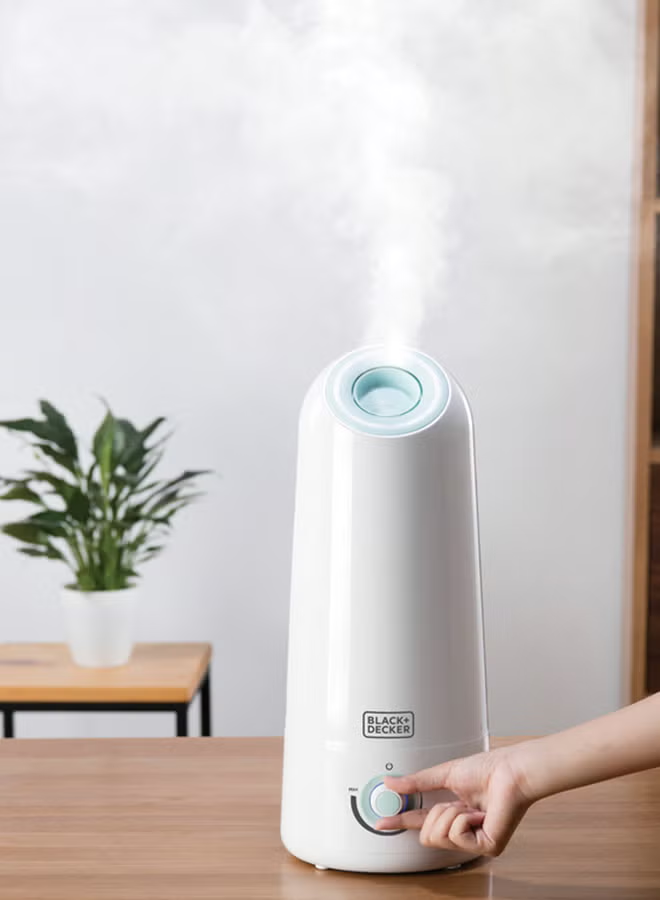
At its core, a humidifier is a device designed to add moisture, or humidity, to the air. While it might seem like a minor detail, maintaining optimal indoor humidity levels (ideally between 30% and 50%) is crucial for both your health and your living space. Dry air, often exacerbated by heating and air conditioning systems, can strip moisture from your skin and respiratory passages, leading to a host of discomforts. Humidifiers counteract this by releasing a fine mist or vapor, helping to restore balance and comfort to your environment.
Why Choose a Small Humidifier? Unique Advantages for Compact Living
The appeal of a small humidifier lies in its versatility and efficiency in localized environments. Unlike larger, whole-room units, small humidifiers are tailored for personal spaces, making them incredibly practical for modern lifestyles.
- Unmatched Portability: These compact wonders are designed to go wherever you do. Whether it’s your bedside table, office desk, a nursery, or even a hotel room during travel, a portable humidifier ensures you never have to endure dry air. Many are USB-powered, making them convenient for use with laptops or car chargers.
- Targeted Relief: Small humidifiers excel at creating a micro-climate of optimal humidity right around you. This focused approach means you get direct relief from dry air symptoms without needing to humidify an entire house, which can be unnecessary or even detrimental in certain areas.
- Energy Efficiency: Generally, small humidifiers consume significantly less energy than their larger counterparts. This makes them an economical choice for personal use, keeping your utility bills in check while still providing essential moisture.
- Space-Saving Design: With sleek, compact designs, these humidifiers blend seamlessly into any decor without occupying precious space. They are perfect for dorm rooms, apartments, or any area where real estate is at a premium.
Types of Small Humidifiers: Finding Your Perfect Mist
When delving into the world of small humidifiers, you’ll primarily encounter a few distinct types, each with its own mechanism for dispelling moisture:
- Ultrasonic Humidifiers: These are arguably the most popular choice for small and personal units. They use high-frequency vibrations to convert water into a fine, cool mist.
- Pros: Whisper-quiet operation (often below 30dB), making them ideal for bedrooms and offices. Many offer both cool and warm mist options and are compatible with essential oils for aromatherapy.
- Cons: Can produce “white dust” if you use hard tap water, which is mineral residue that settles on surfaces.
- Evaporative Humidifiers: These models utilize a fan to draw air through a moistened wick or filter, releasing cool, invisible moisture into the room.
- Pros: They offer a natural form of humidification and are generally self-regulating, meaning they won’t over-humidify your space. They are also considered very safe, especially around children and pets, as they don’t produce hot mist.
- Cons: The fan can create some audible noise, which might be a factor for light sleepers. Filters require regular cleaning and replacement to prevent mold and bacterial growth.
- Nebulizer-Based Designs: Though less common for typical consumer units, these advanced models create ultra-fine particles for rapid absorption. They are highly efficient for tiny, targeted spaces and are sometimes used for medical-grade precision, particularly for allergy sufferers.
Choosing the right type depends on your priorities: if quietness is paramount, ultrasonic is usually best. If you prefer natural humidification and don’t mind a slight fan hum, evaporative might be your go-to.
Health Benefits of Optimal Humidity: Breathe Easier, Live Better
Integrating a small humidifier into your daily routine can offer a surprising array of health and wellness benefits. Maintaining proper humidity levels is more than just comfort; it’s a preventative measure for your overall well-being. As Dr. Lena Hanson, a renowned respiratory health expert, often states, “A balanced humidity level is like a gentle balm for your body, especially for your respiratory system. It’s an investment in your daily comfort and long-term health.”
- Relief from Dry Skin and Chapped Lips: Dry air can be incredibly harsh on your skin, leading to dryness, flakiness, and even exacerbating conditions like eczema. A humidifier helps your skin retain its natural moisture, leaving it feeling softer and more supple. Say goodbye to chapped lips and dry, itchy patches.
- Soothing Respiratory Issues: When the air is dry, your nasal passages and throat can become irritated and inflamed. A small humidifier adds crucial moisture, which can:
- Alleviate Congestion and Coughs: Moist air helps thin mucus, making it easier to clear your airways and easing dry, hacking coughs.
- Soothe Sore Throats: Humidified air prevents your throat from drying out, offering significant relief from soreness and irritation.
- Reduce Allergy and Asthma Flare-ups: While humidifiers don’t remove allergens, they can soothe irritated airways, making them less reactive to triggers. For those with asthma, moist air can make breathing more comfortable.
- Improved Sleep Quality: Many people find it difficult to sleep soundly in dry environments. A personal humidifier creates a more comfortable sleeping atmosphere, potentially reducing snoring caused by dry nasal passages and promoting a more restful night’s sleep.
- Positive Impact on Indoor Air Quality: By preventing excessive dryness, humidifiers contribute to a healthier indoor environment. They can also help reduce static electricity, a common nuisance in dry conditions.
Choosing Your Ideal Small Humidifier: Key Factors to Consider
Selecting the perfect small humidifier means matching its features to your specific needs and environment. Think of it like finding the right pair of shoes – one size definitely doesn’t fit all!
Room Size & Coverage
This is paramount. A small humidifier is typically designed for personal spaces, often covering areas under 150 square feet. For a dorm room or small office (under 100 sq ft), a 300ml tank might suffice. For a larger bedroom (up to 150 sq ft), aim for 400-500ml capacity. Always check the manufacturer’s specified coverage area to ensure it aligns with your needs.
Tank Capacity & Runtime
The tank capacity (measured in milliliters or liters) directly impacts how often you’ll need to refill the unit. A 200ml tank might run for 4-6 hours, perfect for a short work session or travel. A 500ml model can often last 8-12 hours, ideal for overnight use in a bedroom. Consider your typical usage patterns to avoid constant refilling.
Noise Level
For a small humidifier used in quiet spaces like bedrooms or offices, noise level is a critical factor. Ultrasonic models are generally the quietest, often operating below 30dB, which is comparable to a whisper. Evaporative models, due to their internal fans, tend to be slightly louder. Look for units with “sleep mode” or explicit low decibel ratings.
Mist Control & Features
Modern small humidifiers come with various useful features. Adjustable mist output lets you customize the humidity level. An auto-shutoff feature is non-negotiable for safety, turning the unit off when the water tank is empty to prevent damage. Many also include essential oil trays, allowing you to diffuse soothing aromas alongside the mist.
Ease of Cleaning & Maintenance
Regular cleaning is vital to prevent mold and bacteria growth. Look for models with wide tank openings or detachable, dishwasher-safe parts for easy access. Filter-free designs eliminate the need for replacements, but if you choose an evaporative model, ensure filters are readily available and simple to change. Opt for BPA-free plastic and, if possible, stainless steel components, which are more resistant to mold.
Safety Certifications
Always verify that your small humidifier has recognized electrical safety certifications like UL, ETL, or CE. These certifications ensure the product meets stringent safety standards, protecting you and your home from potential hazards.
Power Source
For ultimate portability, consider models that offer USB-C compatibility, allowing you to power them from laptops, power banks, or car adapters, perfect for life on the go.
Using and Maintaining Your Small Humidifier for Longevity
To ensure your small humidifier performs effectively and safely for years to come, proper usage and diligent maintenance are key.
- Placement is Everything: Place your humidifier on a stable, flat surface, at least a few feet away from electronics, porous materials, or walls to prevent moisture damage. For personal relief, position it close to you, like on a nightstand or desk.
- Water Wisdom: The type of water you use matters! Hard tap water is loaded with minerals that can lead to “white dust” (fine mineral particles) being dispersed into the air and accumulating on furniture. It also causes mineral buildup within the unit, reducing its efficiency and lifespan. Always use distilled water if possible. If tap water is your only option, be prepared for more frequent cleaning.
- Cleanliness is Crucial: To prevent mold, mildew, and bacteria from thriving, clean your humidifier regularly. A deep clean every 3-4 days during active use is recommended. Disassemble the unit, rinse the tank and base, and use a mixture of white vinegar and water (or a humidifier cleaning solution) to dissolve any mineral deposits. Always rinse thoroughly before refilling.
- Filter Care (if applicable): If your small humidifier has a filter, follow the manufacturer’s guidelines for cleaning and replacement. Neglecting filter maintenance can lead to reduced mist output and the circulation of unhealthy particles.
- Monitor Humidity Levels: Consider investing in a hygrometer (often built into modern humidifiers, or available separately for under $10) to monitor your room’s humidity. Keep it within the 30-50% range. Over-humidifying can lead to condensation and mold growth.
Troubleshooting Common Small Humidifier Issues
Even the best small humidifiers can encounter minor hiccups. Here are quick fixes for common problems:
- No Mist or Low Output:
- Check water level: Is the tank full?
- Clean the unit: Mineral buildup can obstruct mist output. A thorough cleaning often resolves this.
- Check for blockages: Ensure the mist nozzle is clear.
- White Dust:
- This is almost always due to hard tap water. Switch to distilled water to eliminate it.
- Clean the unit regularly to remove mineral residue.
- Unpleasant Odors:
- This indicates bacterial or mold growth. A deep clean with vinegar or a cleaning solution is necessary.
- Always use fresh water daily and never leave stagnant water in the tank.
Frequently Asked Questions (FAQs)
Can I use tap water in my small humidifier?
While technically possible, it’s not recommended. Hard tap water can lead to mineral buildup and “white dust” output. Distilled water is always the best choice for longevity and cleaner mist. If you use tap water, increase your cleaning frequency.
How often should I clean a small humidifier?
For active use, a deep clean every 3-4 days is advised. Daily rinsing of the water tank can also help reduce residue accumulation, especially in areas with hard water.
Are small humidifiers safe for babies?
Cool-mist ultrasonic models are generally safe for nurseries, but always place the unit well out of reach of infants. Avoid warm-mist humidifiers due to the burn risk. It’s crucial to monitor humidity levels to prevent over-saturation, which can promote mold growth.
Do small humidifiers help with allergies?
They can alleviate dryness-related allergy symptoms like irritated nasal passages and coughing. However, they do not remove allergens from the air. For comprehensive allergy relief, consider pairing your humidifier with an air purifier that has a HEPA filter.
How do I know what humidity level is best?
The ideal indoor humidity is typically between 30% and 50%. In colder climates, aim for 30-40% to prevent condensation on windows. Use a hygrometer to accurately measure and maintain these levels.
Conclusion
A small humidifier is more than just a gadget; it’s a powerful tool for enhancing your personal comfort and well-being. From soothing dry skin and alleviating respiratory discomfort to improving sleep quality, the benefits are clear. By understanding the different types, knowing what features to look for, and committing to simple maintenance, you can choose the perfect compact companion to bring a breath of fresh, moist air into any small space. Don’t let dry air dictate your comfort any longer – experience the transformative power of a small humidifier and enjoy a healthier, happier environment. It’s time to invest in your air, and in yourself.