Ever wonder why some of your beloved houseplants just don’t seem to thrive, despite your best efforts with watering and light? The secret might not be in the soil or the sun, but in the air itself! Many popular houseplants, especially those with thin leaves and less robust root systems, hail from lush, humid tropical climates. When brought into our often dry indoor environments, they struggle. This is where a Plant Humidifier becomes your plant-parent superpower. It’s more than just a gadget; it’s a crucial tool for recreating that perfect, dewy atmosphere your green companions crave.
Our homes, particularly during colder months with heating systems running or in air-conditioned summers, often have significantly lower humidity than plants prefer, sometimes dropping as low as 10-30% relative humidity. While this might be comfortable for us, it’s a desert for tropical flora. This comprehensive guide will walk you through everything you need to know about plant humidifiers, from why they’re essential to choosing the perfect one for your indoor jungle.
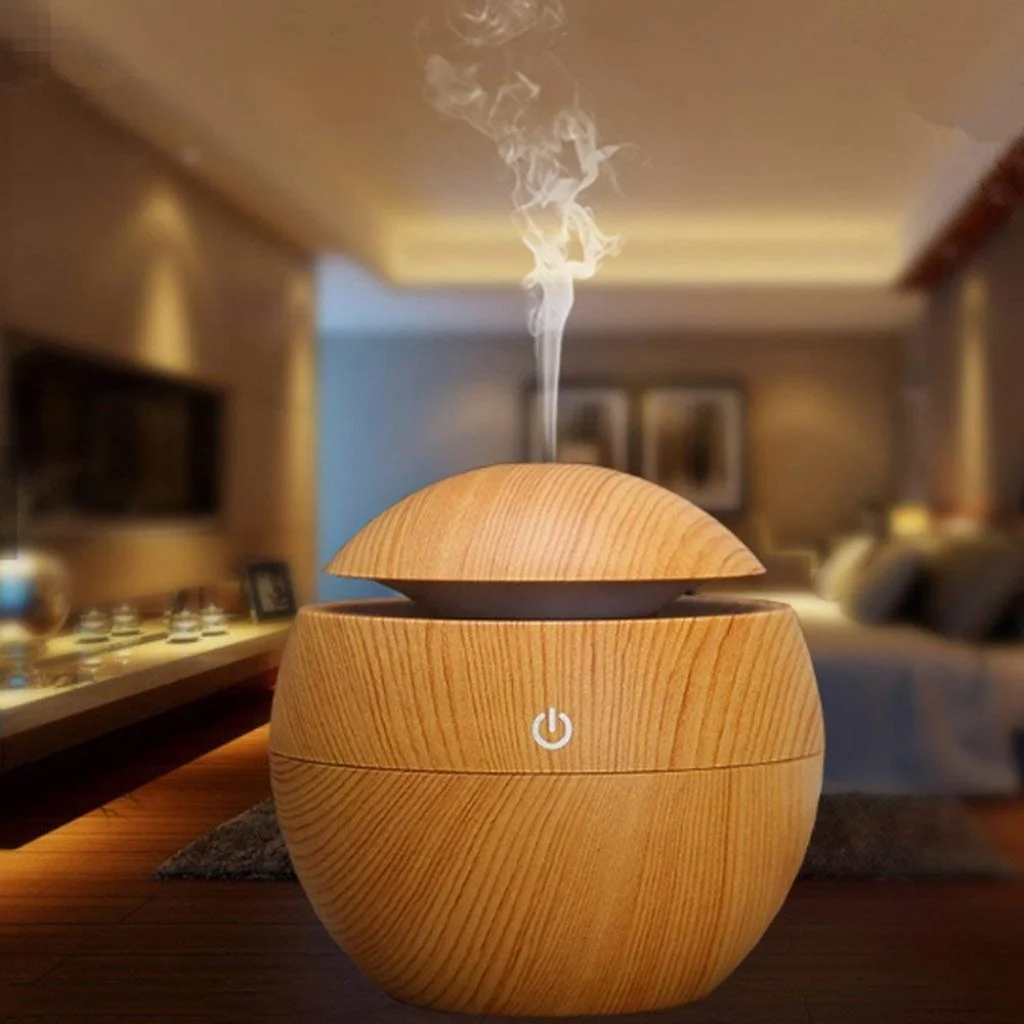
What is a Plant Humidifier and Why is it Essential?
Simply put, a plant humidifier adds moisture to the air, transforming a dry indoor space into a more hospitable environment for humidity-loving plants. Unlike quick fixes like misting or pebble trays, a humidifier provides a consistent, widespread boost in humidity that genuinely impacts plant health.
Why Your Green Friends Crave Humidity
Many houseplants originate from the rainforests of South America, Central America, and Asia, where humidity levels can consistently hover between 60% and 90%. They’ve evolved to thrive in such moisture-rich air. When faced with dry indoor conditions, these plants often show signs of stress:
- Browning or crisping leaf tips and edges: This is a classic symptom of low humidity.
- Curling leaves: Plants curl their leaves to reduce the surface area exposed to dry air, minimizing moisture loss.
- Stunted growth: Insufficient humidity can hinder photosynthesis and nutrient absorption, slowing down overall growth.
- Poor nutrient uptake: Proper humidity helps plants regulate water usage and enhances nutrient absorption through their roots.
- Weakened immunity: Stress from dry air can make plants more susceptible to pests and diseases.
A humidifier helps mimic their natural habitat, ensuring healthier, happier plants with vibrant foliage and robust growth.
Decoding Humidifier Types: Finding the Right Match for Your Plants
When it comes to plant humidifiers, you’ll generally encounter a few main types, each with its own way of adding moisture to the air. Understanding these differences can help you pick the best one for your plant family.
Ultrasonic Humidifiers
These are often the most popular choice for plant enthusiasts. Ultrasonic humidifiers use a vibrating plate to create a fine, cool mist that disperses into the air. They are typically quiet and energy-efficient.
- Pros: Quiet operation, cool mist won’t raise room temperature, energy-efficient.
- Cons: Can produce “white dust” (mineral deposits) if tap water is used, requiring distilled water.
- Best for: General plant care, quiet spaces, minimizing energy use.
Evaporative Humidifiers
Evaporative humidifiers work by drawing water from a reservoir into a wick filter. A fan then blows air over the wet wick, causing the water to evaporate naturally into the room as an invisible vapor.
- Pros: Self-regulating (won’t over-humidify), naturally filters water, covers larger areas.
- Cons: Can be noisier due to the fan, require regular wick replacement.
- Best for: Larger spaces, those who prefer natural evaporation, systems that won’t over-saturate the air.
Warm Mist Humidifiers
These humidifiers boil water to create a warm, sterile steam that is then released into the air. The boiling process eliminates many bacteria and minerals.
- Pros: Sterile mist (less risk of bacteria/mold), can slightly warm the room (beneficial in cold climates).
- Cons: Uses more energy, can increase room temperature slightly, potential burn hazard if not placed carefully, mineral buildup in the heating element.
- Best for: Cold rooms where a slight temperature increase is welcome, those prioritizing germ-free mist, but caution is advised for placement near sensitive plants.
Mastering Your Plant Humidifier: Usage and Maintenance
Getting the most out of your plant humidifier involves more than just plugging it in. Strategic placement, proper water usage, and consistent maintenance are key to unlocking its full potential and ensuring a healthy environment for your plants and home.
Strategic Placement for Optimal Humidity
Where you put your humidifier makes a big difference.
- Distance is key: Place your humidifier a few feet (2-4 feet) away from your plants. Placing it too close can lead to excess moisture condensing on leaves and soil, which can encourage fungal and bacterial growth.
- Elevate it: Position the humidifier on a stable, elevated surface like a table or shelf. This helps the mist disperse more evenly throughout the air, reaching more plants.
- Avoid porous surfaces: Keep the humidifier away from walls, wooden furniture, or fabric curtains, as prolonged exposure to moisture can lead to mold or damage.
The Right Water Makes All the Difference
The type of water you use directly impacts your humidifier’s performance and longevity, as well as the cleanliness of your plants.
- Distilled or filtered water is best: This prevents mineral buildup (white dust) that can clog your machine and leave unsightly residue on your plants and furniture. It also reduces the growth of algae and bacteria in the tank.
- Tap water warning: While convenient, tap water contains minerals that can cause scale buildup in the device and release “white dust” into the air, settling on plant leaves and inhibiting their ability to “breathe” through their stomata.
When and How Long to Run Your Plant Humidifier
Consistency is often more important than intensity when it comes to humidity.
- Daily use: Aim to run your humidifier daily, especially during dry seasons (winter heating, summer AC).
- Morning hours are ideal: Running it for several hours between sunrise and midday is often most beneficial. During these hours, plants’ stomata (pores) are typically more open, allowing them to absorb moisture efficiently.
- Monitor and adjust: Use a hygrometer (humidity meter) to keep track of your room’s relative humidity (RH). Most houseplants thrive between 40-60% RH. If it drops below 40%, turn on the humidifier. Once it consistently reaches 60-65% RH, you can turn it off to prevent over-humidification.
- Nighttime considerations: Some experts suggest turning off humidifiers at night, as plants often close their stomata, and prolonged moisture in cooler night air can increase the risk of mold and fungus. However, a low setting might be acceptable in very dry environments.
Keeping It Clean: Essential Maintenance
A dirty humidifier can circulate bacteria and mold spores into the air, which is bad for both you and your plants.
- Weekly deep cleaning: This is crucial. Disassemble the unit, soak the base with vinegar to break down mineral deposits, and use a diluted bleach or hydrogen peroxide solution to clean the water tank and remove any slime or odors. Rinse thoroughly before reassembling.
- Filter replacement: If your humidifier has filters or wicks, replace them regularly according to the manufacturer’s instructions to maintain efficiency and prevent bacterial growth.
The Plant Humidity Sweet Spot: What’s Ideal for Your Indoor Jungle?
Understanding the optimal humidity levels for your plants is like knowing their preferred temperature – it’s vital for their health and happiness. While a plant humidifier is a great tool, knowing the right numbers prevents both under- and over-humidification.
Ideal Humidity Levels for Most Houseplants
Most common houseplants, especially tropical varieties, flourish in environments with 40-60% relative humidity (RH). This range provides enough moisture to prevent common issues like crispy leaf edges without creating an overly damp environment.
- Tropical Plants (e.g., Monsteras, Philodendrons, Ferns, Orchids): These plants thrive in higher humidity, often preferring 50-70% RH, mimicking their native rainforest conditions. Some very specific tropicals might even tolerate up to 80-90% RH in dedicated setups like terrariums.
- General Houseplants (e.g., Pothos, Spider Plants, Dracaenas): These are usually content in the 40-60% RH range, which is often achievable with a well-placed humidifier in an average home.
- Succulents and Cacti: These desert dwellers prefer much drier conditions, typically 30-40% RH or even lower. They generally do not need a humidifier, and too much humidity can lead to rot.
The Dangers of Too Much Humidity
While beneficial, excessive humidity (above 60-70% RH consistently) can be detrimental:
- Fungal and bacterial diseases: High moisture levels create a perfect breeding ground for mold, mildew, and various plant diseases, particularly on leaves and in the soil.
- Pest infestations: Some common houseplant pests, like fungus gnats, thrive in damp conditions.
- Damage to your home: Prolonged high humidity can cause mold growth on walls, furniture, and fabrics, leading to structural damage and unhealthy indoor air quality for humans.
- Impaired plant “breathing”: While plants need humidity, overly saturated air can hinder their ability to properly transpire and exchange gases.
Using a Hygrometer: Your Humidity Guide
A hygrometer is an inexpensive device that measures the relative humidity in a room. It’s an indispensable tool for any plant parent using a humidifier.
- Monitor regularly: Check your hygrometer daily to ensure you’re maintaining the ideal range for your specific plants.
- Built-in vs. standalone: Many modern humidifiers come with built-in humidistats and hygrometers, but a separate, accurate hygrometer can provide an extra layer of confidence.
Beyond the Basics: Tips for Maximizing Efficiency and Troubleshooting
Even with the best plant humidifier, a few extra tips can enhance its effectiveness and help you tackle common hiccups. It’s all about creating a balanced, consistent environment where your plants can truly flourish.
Optimizing Humidifier Efficiency
- Group humidity-loving plants: Plants release moisture through transpiration, creating a mini-microclimate. Grouping them together naturally boosts local humidity, allowing your humidifier to work more efficiently.
- Consider room size and humidifier capacity: Match your humidifier’s coverage area (often listed in square footage) to the size of the room or plant collection it needs to humidify. A small personal humidifier won’t do much for a large open-plan living space.
- Ensure good airflow: While humidity is good, stagnant, moist air is not. Ensure there’s gentle air circulation (e.g., from a ceiling fan on a low setting, or an oscillating fan placed away from the plants) to prevent mold growth without drying out the air too much.
Common Humidifier Woes and Quick Fixes
Even the most seasoned plant parents encounter issues. Here are a few common problems and how to solve them:
“Why is there white dust everywhere?”
This is almost exclusively a problem with ultrasonic humidifiers and hard tap water. The ultrasonic vibrations aerosolize the minerals in the water, which then settle as a fine white powder on surfaces and plants.
- Solution: Switch to distilled or demineralized water. This completely eliminates mineral content, solving the white dust issue.
“My plants are getting moldy!”
This indicates excessive humidity or poor air circulation.
- Solution: Reduce the humidifier’s output or run time. Increase air circulation with a gentle fan. Ensure plants are not too crowded. Check your hygrometer to ensure humidity stays below 65-70% RH.
“The humidifier smells strange/musty.”
A foul odor is a sign of bacterial or fungal growth within the water tank or other components.
- Solution: Perform a thorough weekly cleaning as outlined above, using vinegar and a diluted bleach/peroxide solution. Never let water sit in the tank for extended periods.
“My humidifier isn’t producing much mist.”
This could be due to mineral buildup, a dirty filter, or a low water level.
- Solution: Clean the unit thoroughly, particularly the vibrating plate (for ultrasonic) or wick/filter (for evaporative). Replace filters if needed. Ensure the water reservoir is adequately filled.
Choosing Your Perfect Plant Humidifier: Factors to Consider
Selecting the right plant humidifier isn’t a one-size-fits-all decision. It involves weighing several factors to ensure it meets both your plants’ needs and your lifestyle. Think of it as investing in a healthier, happier future for your indoor garden.
Room Size and Coverage Area
Humidifiers are rated by the square footage they can effectively humidify.
- Small rooms/individual plants: A compact, desktop humidifier might be sufficient for a single plant shelf or a small bedroom.
- Medium to large rooms/multiple plants: You’ll need a humidifier designed for a larger coverage area to ensure consistent humidity for your entire collection. For very large spaces, multiple smaller units or a whole-house system might be considered.
Tank Capacity and Run Time
This determines how often you’ll need to refill the humidifier.
- Larger tanks = longer run times: If you prefer less frequent refills, especially during dry seasons, opt for a model with a larger water reservoir (e.g., 4L to 6L, offering 24-60 hours of operation).
- Top-fill designs: These are a game-changer for convenience, making refilling quick and mess-free.
Noise Level
If your plant humidifier will be in a bedroom, office, or living area, noise can be a significant factor.
- Ultrasonic humidifiers are generally the quietest, often operating at whisper-quiet levels.
- Evaporative humidifiers use a fan, so they tend to be a bit louder, though many modern models are designed for quiet operation.
Smart Features and Controls
Modern humidifiers come with various features that can simplify plant care.
- Built-in humidistat: This allows the humidifier to automatically turn on and off to maintain a set humidity level, preventing over-humidification and saving energy.
- Auto-shutoff: A vital safety feature that turns the unit off when the water tank is empty.
- Timer functions: Program the humidifier to run for specific durations.
- Smart connectivity: App-controlled humidifiers allow you to monitor and adjust settings remotely, and some even offer plant-specific humidity recommendations.
Ease of Cleaning and Maintenance
Remember, regular cleaning is non-negotiable.
- Wide tank openings: Make refilling and scrubbing much easier.
- Fewer crevices/removable parts: Simpler designs mean less effort to keep mold and mineral buildup at bay.
Fictional Expert Insight:
“Choosing a plant humidifier is about synergy,” advises Elara Chen, a leading botanist with HumidifyPro Vietnam. “It’s not just about adding moisture; it’s about creating a harmonious microclimate. Look for a unit that integrates seamlessly into your life and your plants’ needs—one that offers consistent output without constant fuss, and crucially, one that you’ll commit to maintaining. Your plants will reward you with unparalleled vitality.”
FAQs: Your Most Pressing Plant Humidifier Questions Answered
We know you’ve got questions about keeping your leafy companions happy. Here are some of the most common inquiries about plant humidifiers.
Q: How can I tell if my plants need a humidifier?
A: Look for signs like crispy or browning leaf tips and edges, curled leaves, slowed growth, or a general lack of vibrancy. Many tropical plants, especially those from rainforests, are strong indicators. If your home’s humidity consistently drops below 40%, a humidifier is likely beneficial.
Q: Is misting my plants just as effective as using a humidifier?
A: No, misting provides only a very temporary, localized increase in humidity that dissipates quickly, usually within minutes. For consistent and effective humidity, a humidifier is far superior as it raises the overall humidity of the air around your plants for much longer periods.
Q: What is the ideal humidity level for most indoor plants?
A: Most common houseplants thrive in a relative humidity (RH) range of 40-60%. Tropical plants often prefer a bit higher, around 50-70%. Cacti and succulents, however, prefer drier conditions, typically below 40%.
Q: Can I use tap water in my plant humidifier?
A: It’s generally not recommended, especially for ultrasonic humidifiers. Tap water contains minerals that can lead to “white dust” residue on your plants and furniture, and scale buildup in the machine. Distilled or filtered water is the best choice to prevent these issues and extend your humidifier’s lifespan.
Q: How close should I place my humidifier to my plants?
A: Aim for a distance of 2-4 feet from your plants. Placing it too close can lead to too much moisture condensing on leaves and soil, which increases the risk of fungal growth and rot. An elevated position helps disperse the mist more effectively.
Q: How often should I clean my plant humidifier?
A: For optimal performance and to prevent bacterial or mold growth, deep clean your humidifier weekly. This includes disassembling the unit, soaking mineral-laden parts in vinegar, and scrubbing the tank with a diluted bleach or hydrogen peroxide solution.
Q: Do all plants need a humidifier?
A: No. While many popular houseplants benefit greatly from increased humidity, some plants, like cacti, succulents, and other arid-region natives, prefer dry conditions and can suffer from too much humidity. Always research the specific needs of your plants.
Cultivating a Thriving Indoor Oasis with Your Plant Humidifier
Bringing a plant humidifier into your home isn’t just about adding moisture to the air; it’s about consciously creating an environment where your indoor plants can truly flourish, transforming your living space into a vibrant, breathable sanctuary. By understanding the diverse needs of your botanical companions, choosing the right type of humidifier, and committing to simple yet effective usage and maintenance routines, you empower your plants to reach their full potential.
Say goodbye to crispy leaves and stunted growth, and hello to lush foliage, enhanced vitality, and a healthier home ecosystem for everyone. Embrace the power of balanced humidity and watch your green dreams blossom into a thriving reality. Your plants aren’t just decorating your home; they’re bringing life, and with the right humidity, they’ll thrive like never before. Try it, observe the difference, and share your flourishing plant journey with HumidifyPro Vietnam – because every plant deserves to live its best life!