Ever feel that irritating dryness in your nose, throat, or skin, especially when the heating or air conditioning is running? That’s often a sign of dry indoor air, and it can affect your comfort and even your health. A Philips Humidifier is designed to tackle this common household issue head-on, transforming your living space into a haven of optimal humidity and cleaner air. With advanced technology and user-friendly features, Philips aims to make breathing easier and your home more comfortable.
What is a Humidifier and Why Does Your Home Need One?
Simply put, a humidifier adds moisture back into the air. In many climates, particularly during colder months when heating systems are in full swing, indoor air can become excessively dry. This isn’t just uncomfortable; it can lead to a host of issues, from dry skin and chapped lips to irritated respiratory passages and increased susceptibility to airborne viruses.
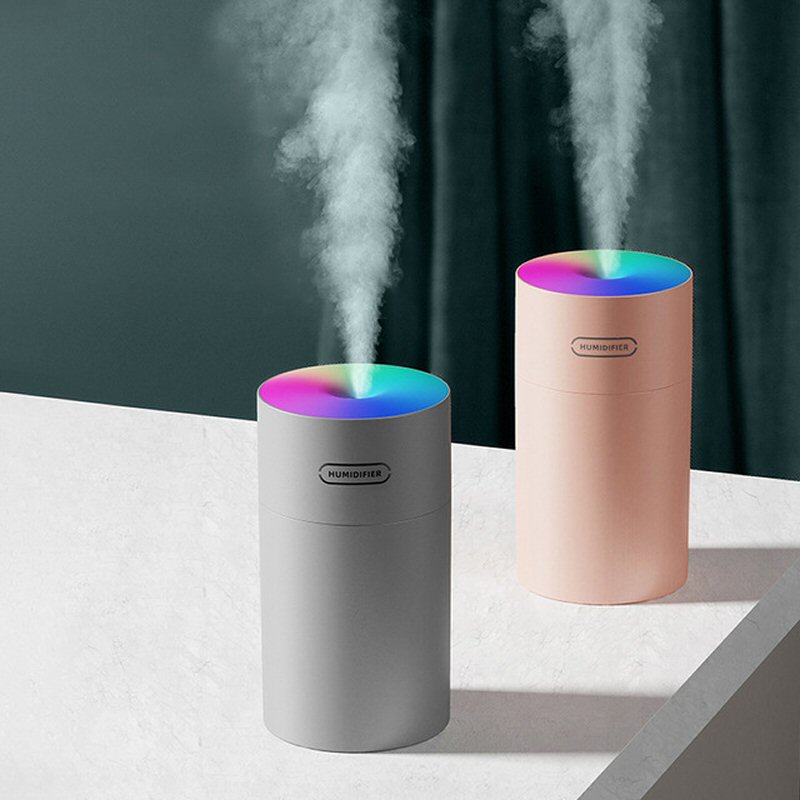
Maintaining an optimal humidity level, typically between 40% and 60%, is crucial for a healthy home environment. This sweet spot helps prevent the air from becoming too dry (below 30%) or too damp (above 70%), both of which can lead to problems like mold growth, static electricity, or aggravated allergies. A well-functioning humidifier ensures this delicate balance, contributing significantly to your overall well-being.
Unveiling Philips Humidifiers: The NanoCloud Advantage
What truly sets a Philips Humidifier apart is its innovative NanoCloud technology. Unlike some traditional humidifiers that can leave white dust on your furniture or spread bacteria, Philips has engineered a solution for clean, hygienic humidification.
NanoCloud technology utilizes a natural evaporation process. Here’s how it works: dry air is drawn into the humidifier, passes through a special humidification filter that absorbs water, and then a fine, invisible mist of pure water vapor is released into the room. These water molecules are incredibly small – so small, in fact, that it’s difficult for bacteria to attach to them. This results in significantly less bacteria being spread into the air, with Philips claiming up to 99% less bacteria compared to standard ultrasonic humidifiers.
This invisible mist also means you won’t find any white dust, wet spots, or residue on your surfaces, which is a common complaint with other humidifier types. It’s a fuss-free way to enjoy a comfortably humidified home.
Types of Philips Humidifiers: Finding Your Perfect Match
Philips primarily focuses on evaporative humidifiers, leveraging their NanoCloud technology for a consistently healthy mist. While there are other types on the market like ultrasonic (which create a fine, cool mist using vibrations) or warm mist (which boil water to create steam), Philips’ natural evaporation method is celebrated for its hygienic output and minimal mess.
When looking at a Philips Humidifier, you’ll find various series, such as the Series 2000 or Series 3000i, which often come with a range of features to suit different needs and room sizes. For instance, many models are designed for rooms up to 32 m², making them ideal for bedrooms, living rooms, or nurseries. Some advanced models even offer 2-in-1 functionality, combining humidification with air purification.
Key Features to Look For:
- Smart Humidity Control: Automatic sensors monitor the air and adjust humidity to your preferred level (e.g., 40%, 50%, or 60%).
- App Connectivity: The Philips Air+ App allows you to control settings remotely, perfect for adjusting humidity from anywhere in your home.
- Ambient Lighting: Some models include customizable ambient light, adding to your room’s comfort and mood.
- Multiple Fan Speeds: Allows you to regulate humidification intensity based on your needs, often including a quiet sleep mode.
Maximizing Your Philips Humidifier: Usage and Maintenance Essentials
To ensure your Philips Humidifier works efficiently and provides the healthiest air possible, proper usage and regular maintenance are key.
Setting Up for Success
When you first set up your Philips humidifier, choose a stable, flat surface, preferably not directly against a wall or delicate furniture. This allows for optimal 360° air distribution. Aim to keep your home’s humidity level between 40% and 60%. Most Philips models offer automatic modes that intelligently maintain this range for you.
Daily Care
Keeping your humidifier clean starts with simple daily habits. Always ensure the water tank is filled with fresh, cold tap water. The good news is, thanks to NanoCloud technology, you don’t need distilled water to prevent white dust. When refilling, give the water tank a quick rinse to prevent stagnant water buildup.
Weekly Cleaning: Keeping it Hygienic
Regular, thorough cleaning prevents bacteria and mineral buildup, which is vital for your health and the device’s longevity.
- Unplug and Disassemble: Always unplug your humidifier before cleaning. Remove the upper unit, water tank, and humidification filter/wick support.
- Clean the Water Tank: Pour out any remaining water. Add a mild washing-up liquid mixed with water, or a diluted citric acid solution (e.g., 24g citric acid with 4L water) into the tank. Use a soft cloth or brush to clean the inside thoroughly. Rinse the tank multiple times until all cleaning agent is gone.
- Clean the Humidification Filter: For optimal hygiene, clean the filter weekly. Submerge the filter in a solution of approximately 3 liters of water and 250ml of white vinegar or a diluted citric acid solution for about 30 minutes. Gently swish it around, then rinse thoroughly under a slow-running tap. Important: Do not squeeze or wring the filter, as this can damage it and affect performance. Let excess water drip off and air dry before reassembling.
- Wipe Down Surfaces: Use a soft, dry cloth to wipe down the air inlet, outlet, and the body of the humidifier.
“Consistent cleaning isn’t just about prolonging the life of your device; it’s about ensuring the air you breathe is genuinely healthy,” says Eleanor Vance, a home air quality specialist. “Especially with evaporative humidifiers like Philips, maintaining a clean filter and water reservoir is paramount to preventing any microbial growth.”
Filter Replacement
Your Philips Humidifier will typically notify you when it’s time to replace the humidification filter. Depending on water quality and usage, this is usually recommended every 6 months. Timely replacement is crucial as clogged or overly dirty filters reduce cleaning efficiency and humidification performance. Some older models with wick filters might require replacement every 3 months.
Troubleshooting Common Philips Humidifier Issues
Even the most reliable appliances can sometimes encounter hiccups. Here are solutions to common issues you might face with your Philips Humidifier:
“Why is my Philips Humidifier not working?”
- Empty Water Tank: This is the most common reason. Ensure the tank is filled to the maximum level.
- Improper Assembly: The upper unit must be correctly placed on the water tank, ensuring a secure connection. Similarly, the wick support (if applicable) must be installed with the larger side at the bottom.
- Power Supply Issues: Check that the humidifier is plugged in correctly and the power socket is functional. Try another appliance in the same socket.
“Why do I see white deposits or a yellowish filter?”
- White Deposits (Scale): These are mineral deposits from your tap water. While they affect humidifying performance, they are harmless. Regular cleaning with vinegar or citric acid, as described above, will help remove them. Philips NanoCloud technology is designed to keep these minerals in the tank, not disperse them into the air as white dust.
- Yellowish Filter: This is a natural effect of the wick material over time and does not impact humidification performance. However, if the filter is very dirty with dark spots, it’s time for a replacement.
“My Philips Humidifier isn’t humidifying effectively.”
- Room Size & Ventilation: Ensure your humidifier is appropriately sized for your room. Excessive ventilation (open windows/doors) can significantly reduce its effectiveness. Close them during operation to optimize performance.
- Dirty Filter: A clogged or dirty humidification filter will hinder evaporation. Clean or replace it as recommended.
“I don’t see any mist coming out. Is it working?”
- Invisible Mist: Philips NanoCloud technology produces an ultra-fine, invisible mist. It’s designed not to be seen like the visible mist from ultrasonic humidifiers. If the unit is running and water levels are decreasing, it’s likely working correctly.
The Health and Comfort Benefits of a Philips Humidifier
Investing in a Philips Humidifier offers a wealth of benefits that extend beyond simply adding moisture to the air:
- Enhanced Respiratory Health: Dry air can irritate nasal passages, throat, and even lungs, leading to dry coughs and congestion. Optimal humidity helps soothe these membranes, making breathing more comfortable and reducing symptoms of colds or allergies.
- Relief for Dry Skin and Hair: Say goodbye to itchy, flaky skin and brittle hair. Humidified air helps maintain your body’s natural moisture levels, contributing to healthier skin and lustrous hair.
- Reduced Static Electricity: That annoying shock when you touch a doorknob? Dry air is often the culprit. Proper humidity equalizes electrical charges, significantly reducing static shocks.
- Improved Sleep Quality: Comfortable humidity levels can lead to a more restful night’s sleep, easing nighttime coughs and dryness that might disrupt your slumber.
- Prevention of Airborne Pathogens: Studies suggest that maintaining humidity between 40-60% can help reduce the survival and spread of certain viruses and bacteria in the air. Philips NanoCloud technology further minimizes bacterial spread directly from the humidifier itself.
Choosing Your Ideal Philips Humidifier: Key Considerations
With several excellent Philips Humidifier models available, how do you pick the right one for your home?
- Room Size: Match the humidifier’s capacity to the size of the room you intend to humidify. Philips typically specifies the recommended room area (e.g., up to 30m²).
- Desired Features: Do you value smart app control, automatic humidity settings, or ambient lighting? Consider which extra features will enhance your experience.
- Budget and Running Costs: While the initial investment is important, also factor in the cost and frequency of filter replacements. User reviews sometimes highlight filter costs as a consideration.
- Noise Levels: For bedrooms or quiet spaces, look for models with a dedicated sleep mode that ensures ultra-quiet operation.
- 2-in-1 Functionality: If you’re concerned about both dry air and air pollutants, a Philips 2-in-1 Air Purifier and Humidifier might be the perfect solution, offering comprehensive indoor air care.
Frequently Asked Questions (FAQ)
What is Philips NanoCloud technology?
Philips NanoCloud technology is a natural evaporative humidification process that releases an ultra-fine, invisible mist of pure water vapor into the air. It’s designed to spread 99% less bacteria compared to standard ultrasonic humidifiers and prevents white dust or wet spots on surfaces.
How often should I clean my Philips humidifier?
It’s recommended to rinse the water tank daily and perform a thorough cleaning of the water tank and humidification filter weekly using a diluted vinegar or citric acid solution.
Do Philips humidifiers leave white dust?
No, Philips humidifiers with NanoCloud technology are specifically designed to prevent white dust. The minerals in the water remain in the tank, not released into the air.
Can I use tap water in my Philips humidifier?
Yes, Philips humidifiers with NanoCloud technology are safe to use with tap water, as the technology ensures minerals remain in the water tank and do not form white dust.
What is the ideal humidity level for my home?
Experts recommend maintaining indoor humidity levels between 40% and 60% for optimal comfort and health benefits. Philips humidifiers often have automatic settings to achieve this range.
Why is my Philips humidifier not producing mist?
Philips NanoCloud technology produces an invisible mist, so you won’t see a visible plume like with some other humidifier types. If the unit is on and the water level is decreasing, it is working correctly. If water isn’t decreasing, check for an empty tank, improper assembly, or power issues.
Embrace a Healthier, More Comfortable Home with Philips
Dry air is an often-overlooked environmental factor that can significantly impact our comfort and health. A Philips Humidifier, with its innovative NanoCloud technology, offers a hygienic, effective, and user-friendly solution. By understanding how these devices work, how to maintain them, and the incredible benefits they bring, you can easily transform your home into a sanctuary of healthy, comfortable air. Take a deep breath and experience the difference a Philips humidifier can make in your daily life.