Ever found yourself in a vast living room, a sprawling open-plan office, or a grand master bedroom, feeling that unmistakable scratch in your throat or the persistent itch on your skin? Chances are, dry air is the culprit, especially during colder months or in naturally arid climates. While small, personal humidifiers offer a quick fix for compact spaces, effectively combating dryness in larger areas demands a more robust solution: a Large Humidifier. These powerful devices are designed to efficiently infuse expansive environments with much-needed moisture, transforming uncomfortable, dry spaces into havens of health and comfort.
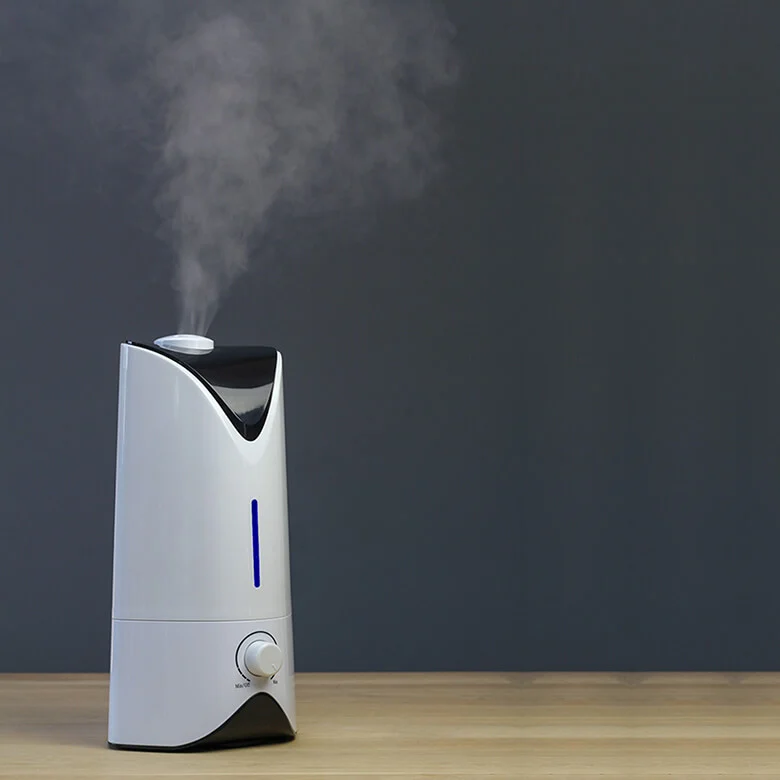
This comprehensive guide will dive deep into everything you need to know about large humidifiers, from understanding their various types and incredible benefits to selecting the perfect model and maintaining it for peak performance.
What Exactly is a Large Humidifier?
At its core, a large humidifier is a high-capacity device engineered to cover significant square footage, typically exceeding 600 square feet, and often reaching up to 4,000 square feet or more, depending on the model. Unlike their smaller counterparts, these units boast larger water tanks, often holding 2 to 8 gallons (or even more for whole-house systems), which translates to extended runtimes—anywhere from 24 to over 100 hours on a single fill. This means less frequent refilling, making them incredibly convenient for busy households or commercial settings.
The key distinction lies in their ability to maintain consistent humidity levels across a broad area, preventing the common issue of insufficient moisture that arises when a smaller unit is stretched beyond its capacity.
The Powerhouse Players: Types of Large Humidifiers and How They Work
Just like with any home appliance, large humidifiers come in several varieties, each with its unique operational principles and ideal applications. Understanding these differences is crucial for choosing the best fit for your space.
1. Evaporative Humidifiers
Evaporative humidifiers are often considered the most natural way to add moisture to the air, making them an excellent choice for whole-house humidification. They work by drawing dry air over a moistened wick filter or pad. As the water evaporates from the filter, a fan blows the humidified air into the room.
- How they work: A fan pulls air through a water-saturated filter. Water naturally evaporates, and the fan distributes the invisible moist air.
- Best for: Whole-house systems or very large open spaces, as they tend to self-regulate humidity, avoiding over-humidification. They also don’t aerosolize minerals, reducing “white dust.”
- Key features for large spaces: High moisture output, often multi-gallon tanks, can integrate with HVAC systems.
2. Ultrasonic Humidifiers
Ultrasonic humidifiers are popular for their quiet operation and ability to produce a fine, visible mist. They use high-frequency vibrations, similar to sound waves, to break water into a micro-fine mist that is then dispersed into the air.
- How they work: A ceramic diaphragm vibrates at ultrasonic frequency, creating a cool mist from the water.
- Best for: Large rooms, bedrooms, or living areas where quiet operation is desired. Many come with smart features and essential oil diffusers.
- Consideration: They can produce “white dust” (mineral residue) if tap water with high mineral content is used.
3. Warm Mist Humidifiers
For those chilly evenings or when battling cold symptoms, warm mist humidifiers offer a comforting and therapeutic option. These units feature a heating element that boils water, releasing a soothing, bacteria-free steam into the environment.
- How they work: An internal heating element boils water, creating a warm, pure steam that’s released into the air.
- Best for: Colder climates, helping alleviate respiratory discomfort, and ensuring germ-free moisture.
- Consideration: Can be less energy-efficient than cool mist models due to the heating element.
4. Whole-House (HVAC Integrated) Humidifiers
For ultimate convenience and consistent humidity throughout your entire home, a whole-house humidifier integrated with your HVAC system is the gold standard. These systems tie directly into your home’s ductwork and water supply, distributing moisture evenly across all connected spaces.
- Types include:
- Bypass humidifiers: Redirect a portion of furnace air through a water panel, adding moisture before it circulates.
- Fan-powered humidifiers: Use their own fan to push air through a water panel, often offering higher output than bypass models.
- Steam humidifiers: Electrically boil water to create steam, providing the most precise and efficient humidity control.
- Best for: Entire homes, offering set-it-and-forget-it operation and superior overall comfort.
Why Go Big? Unpacking the Health and Home Benefits of Large Humidifiers
Investing in a large humidifier isn’t just about adding moisture; it’s about investing in a healthier living environment and preserving your home.
Health Benefits
Dry air can be surprisingly detrimental to our well-being. A large humidifier works tirelessly to counteract these effects:
- Relief from Dryness: Say goodbye to parched skin, chapped lips, itchy eyes, and dry nasal passages. Adequate humidity keeps your skin hydrated and comfortable.
- Respiratory Comfort: For anyone suffering from colds, flu, allergies, or asthma, a properly humidified environment can be a game-changer. It helps soothe irritated airways, thin mucus, and alleviate coughs and congestion. Dr. Evelyn Reed, an Environmental Health Specialist at ClearAir Solutions, notes, “Maintaining indoor humidity between 40-60% can significantly reduce the discomfort of seasonal allergies and respiratory issues, making breathing easier for everyone.”
- Reduced Spread of Illness: Studies suggest that maintaining optimal indoor humidity levels (around 40-50% relative humidity) can significantly reduce the viability and transmission of airborne viruses like influenza and the common cold, creating a less hospitable environment for germs.
- Improved Sleep & Reduced Snoring: Dry air can worsen snoring by irritating the throat and nasal passages. A humidifier can help keep airways lubricated, promoting a more peaceful night’s sleep.
Home Protection & Comfort
Beyond personal health, a large humidifier safeguards your home’s integrity and enhances its overall comfort.
- Preserving Interiors: Wooden furniture, floors, and even musical instruments can crack, warp, or become damaged in excessively dry conditions. Proper humidity helps maintain their structural integrity and extends their lifespan.
- Energy Efficiency: Humid air feels warmer than dry air. By raising the humidity, you might feel comfortable setting your thermostat a few degrees lower, potentially leading to savings on heating bills in winter.
- Static Electricity Reduction: That annoying static shock you get when touching doorknobs or blankets in winter? Dry air is often the cause. A humidifier helps eliminate static buildup, making your home a more pleasant place to be.
Choosing Your Giant: Factors to Consider When Selecting a Large Humidifier
Selecting the ideal large humidifier requires a thoughtful approach. Here’s what to keep in mind:
1. Room Size and Coverage Area
This is paramount. Measure the square footage of the space you intend to humidify. Humidifiers are rated by their coverage area (e.g., up to 1000 sq ft, 2000 sq ft). Choosing a unit that’s too small won’t be effective, while one that’s too large can lead to excessive humidity, potentially causing condensation, mold, and mildew growth.
2. Tank Capacity and Runtime
A larger tank means less frequent refilling, a huge convenience for large humidifiers. Look for models that offer a runtime suitable for your needs, ideally 24 hours or more on a single fill. Top-fill designs also make refilling significantly easier.
3. Mist Type: Cool vs. Warm vs. Dual
Consider your preference and climate.
- Cool mist is energy-efficient and safer for homes with children or pets.
- Warm mist is soothing, can help with cold symptoms, and kills bacteria.
- Dual-mist models offer the best of both worlds, allowing you to switch based on season or need.
4. Noise Level
Especially if the large humidifier will be in a bedroom or living area, quiet operation is essential. Ultrasonic models are generally the quietest, but many evaporative and warm mist units also offer “sleep modes” or low settings for minimal disturbance.
5. Smart Features and Controls
Modern large humidifiers often come equipped with advanced features that enhance user experience:
- Built-in Humidistat: Automatically maintains your desired humidity level.
- Auto Shut-off: Safety feature that turns the unit off when the water tank is empty.
- Wi-Fi/Voice Control: Manage settings from your smartphone or with voice commands for ultimate convenience.
- Adjustable Mist Settings: Allows you to control the output volume.
6. Maintenance and Cleaning Ease
Regular cleaning is crucial to prevent mineral buildup and bacterial growth. Look for models with easily removable tanks and wide openings for simple cleaning. Filter-free designs reduce ongoing costs, but if a filter is present, ensure replacements are readily available and easy to change.
Keeping Your Large Humidifier in Top Shape: Essential Maintenance Tips
Proper maintenance is the secret to extending the life of your large humidifier and ensuring it continues to provide clean, healthy moisture. Neglecting cleaning can lead to mold, bacteria, and mineral dust being dispersed into your air, negating its benefits.
- Daily Care: Empty and rinse the water tank and base every day. Dry them thoroughly before refilling with fresh water. This prevents stagnant water issues.
- Weekly Deep Cleaning: For a more thorough clean, disassemble your humidifier and clean all components with a solution of white vinegar (to dissolve mineral buildup) or a mild bleach solution (to sanitize). Always follow the manufacturer’s instructions.
- Water Quality Matters: Wherever possible, use distilled or demineralized water. This significantly reduces mineral deposits (white dust) and scale buildup, especially in ultrasonic models, extending the unit’s lifespan and ensuring purer mist.
- Filter and Pad Replacement: If your large humidifier uses filters or evaporative pads, adhere strictly to the manufacturer’s replacement schedule, typically every 1-3 months for filters and annually for HVAC evaporator pads. A clogged filter hinders efficiency and air quality.
- Monitor Humidity Levels: Use a hygrometer to keep an eye on your indoor relative humidity. Aim for levels between 40% and 60% (or 30-50% in some recommendations). Too much humidity can encourage mold growth, while too little defeats the purpose.
Expert Insight: What the Pros Say
“Many people underestimate the impact of indoor air quality on overall health,” explains Dr. Evelyn Reed, Environmental Health Specialist at ClearAir Solutions. “A common mistake is using a small humidifier for a large area, which is simply ineffective. For true, consistent relief from dry air, particularly in modern open-plan homes or large commercial spaces, a properly sized large humidifier is non-negotiable. And remember, consistent cleaning is just as important as the unit itself. Think of it as an essential part of your home’s preventative health care.”
Frequently Asked Questions About Large Humidifiers
How often should I refill a large humidifier?
Many large humidifiers are designed for extended operation, with tank capacities that can last from 24 hours to several days on a single refill, depending on the model and mist output setting. Check your specific model’s runtime specifications.
Can a large humidifier cause mold?
If not used and maintained correctly, yes, any humidifier can contribute to mold growth. Over-humidification (above 60% relative humidity) or infrequent cleaning can create an environment where mold thrives. Always monitor humidity with a hygrometer and clean your unit regularly.
What kind of water should I use in my large humidifier?
Using distilled or demineralized water is highly recommended. This prevents mineral buildup within the unit and reduces the “white dust” (mineral particles) that ultrasonic humidifiers can disperse into the air when using tap water.
Are large humidifiers noisy?
Noise levels vary by type and model. Ultrasonic large humidifiers are generally the quietest. Evaporative and warm mist units might have some fan or boiling sounds, but many newer models feature quiet operation modes, making them suitable for bedrooms and living spaces.
What’s the difference between a large portable and a whole-house humidifier?
A large portable humidifier is a standalone unit that can be moved between rooms, ideal for individual large spaces. A whole-house humidifier is typically integrated into your home’s HVAC system, providing consistent humidity throughout all connected areas of the entire house.
Conclusion
Choosing the right large humidifier for your home or office is a strategic decision that promises a wealth of benefits. From safeguarding your health by easing respiratory issues and reducing the spread of airborne viruses to protecting your valuable home interiors and making your living spaces feel more comfortable and energy-efficient, a large humidifier is a powerful ally against dry air. By understanding the types, considering key factors during selection, and committing to regular maintenance, you can ensure your chosen “giant” delivers optimal performance, creating a consistently healthy and comfortable environment for years to come. Take the step to banish dry air—your body and your home will thank you!