Imagine a home where the air feels just right, where you wake up without a scratchy throat and your skin feels soft and hydrated. This isn’t a dream; it’s the reality a quality humidifier for your house can bring. In today’s fast-paced world, maintaining a healthy indoor environment is paramount, and these unsung heroes are silent allies in achieving that perfect balance. Whether you’re a seasoned pro or considering adding one to your living space for the first time, understanding the nuances of these devices is key to unlocking optimal comfort and well-being.
What is a Humidifier and Why Your House Needs One?
At its core, a humidifier for your house is a device that adds moisture to the air. Why is this important? Because dry indoor air, especially prevalent during colder months or in naturally arid climates, can wreak havoc on your health, your home, and even your cherished possessions. By introducing a controlled amount of water vapor, humidifiers help maintain an ideal humidity level, typically between 30% and 50%. This simple adjustment can profoundly impact your daily life.
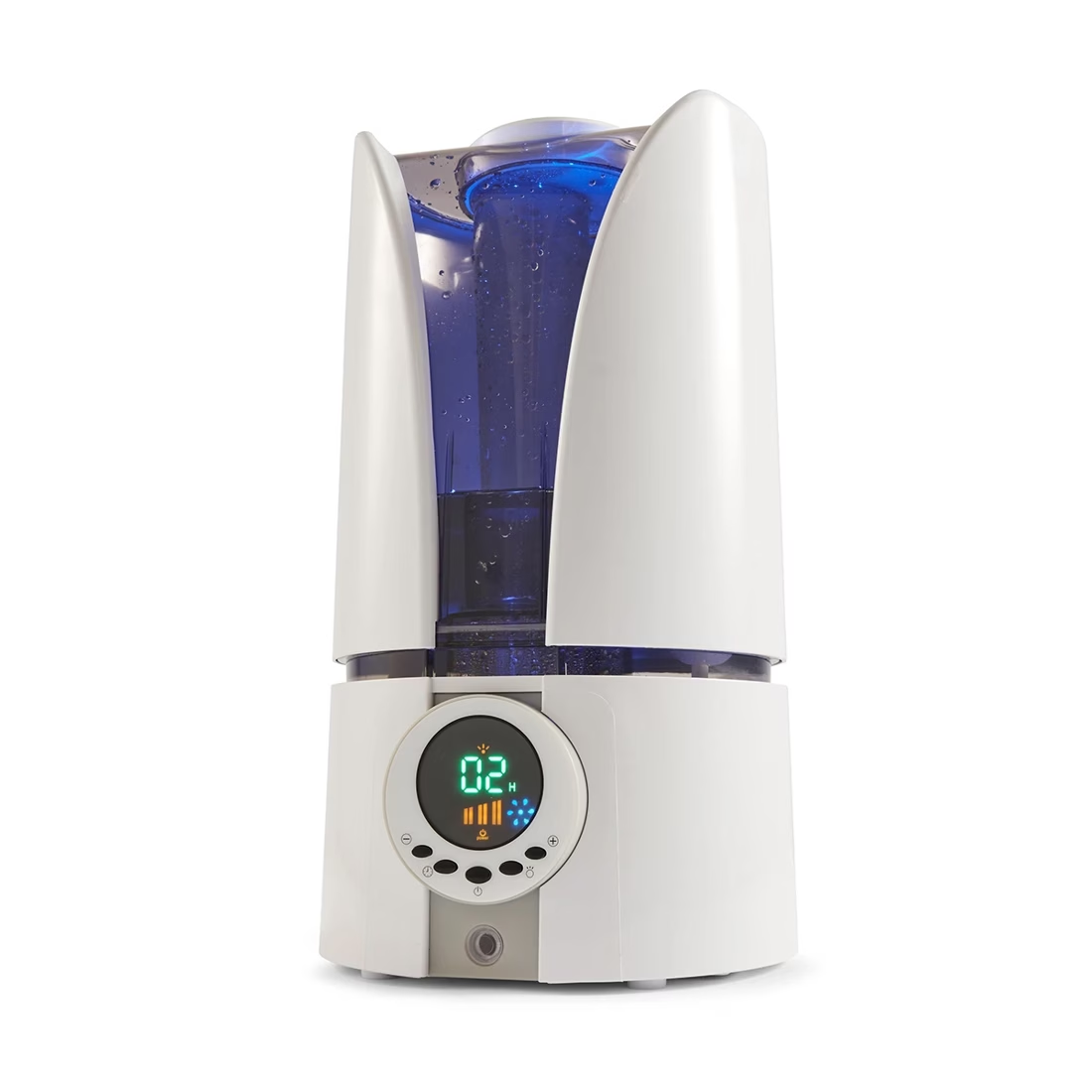
The Unseen Benefits of a Humidifier for Your Home and Health
Integrating a humidifier into your home offers a cascade of advantages, transforming your living space into a healthier and more comfortable sanctuary.
- Respiratory Health Boost: Dry air can irritate your nasal passages and throat, leading to discomfort, congestion, and even increasing susceptibility to respiratory infections. A humidifier helps soothe these delicate membranes, facilitating easier breathing and reducing the risk of illness.
- Optimal Skin Hydration: Say goodbye to dry, itchy, flaky, or cracked skin. By infusing moisture into the air, a humidifier acts as a guardian for your skin’s health, promoting hydration and contributing to a healthier, more radiant complexion.
- Enhanced Sleep Quality: If you often wake up feeling parched or with a dry cough, your bedroom’s air might be too dry. Humidifiers create a more comfortable sleeping environment, preventing dry air discomfort and paving the way for a more restful night’s sleep.
- Alleviated Allergy Symptoms: For many allergy sufferers, optimal humidity levels can provide significant relief. Humidifiers help prevent airways from drying out, which can reduce the impact of allergens and offer comfort.
- Preservation of Home Furnishings: Your beloved wooden furniture, hardwood floors, and even musical instruments can suffer from the adverse effects of dry air, leading to cracking or warping. A humidifier protects these cherished possessions, preserving their integrity and beauty.
- Thriving Indoor Plants: Beyond human comfort, many indoor plants flourish in humid environments. A well-regulated humidity level fosters a healthier atmosphere for your botanical companions, helping them thrive.
- Improved Temperature Control: Dry air doesn’t retain heat as effectively as humid air. By adding moisture, a humidifier can make your home feel warmer, potentially reducing heating costs and creating a more stable indoor climate.
- Reduced Risk of Disease Transmission: Studies suggest that certain viruses, including influenza, survive longer and are more easily transmitted in dry air conditions. A humidifier for your house can help mitigate this risk by maintaining optimal humidity levels, making it harder for airborne bacteria and viruses to spread.
Types of Humidifiers: Finding the Perfect Match for Your House
Choosing the right humidifier means understanding the different technologies available. Each type offers unique benefits and considerations, ensuring there’s a perfect match for every household.
Evaporative Humidifiers
These are among the most common types and work by drawing dry air through a moist wick filter. A fan then blows this humidified air back into the room as a cool mist.
- How They Work: A wick filter absorbs water from a reservoir. A fan then blows air over the saturated wick, causing the water to evaporate naturally into the air.
- Pros: Generally energy-efficient, effective for larger spaces, and often self-regulating, meaning they won’t over-humidify a room.
- Cons: Can be louder due to the fan, and require regular wick filter replacement and cleaning to prevent mold and mineral buildup.
Ultrasonic Humidifiers
Known for their quiet operation, ultrasonic humidifiers use high-frequency sound vibrations to create a fine mist.
- How They Work: A small, submerged metallic diaphragm vibrates at ultrasonic frequencies, breaking water into microscopic droplets that are then released into the air as a fine, cool mist. Some models also offer warm mist options.
- Pros: Whisper-quiet operation, making them ideal for bedrooms and quiet spaces. They produce a fine, refreshing mist and are often compact and versatile for various room sizes.
- Cons: Can sometimes produce “white dust” (fine mineral powder) if hard tap water is used, which can settle on furniture. Requires regular cleaning to prevent mineral buildup.
Impeller Humidifiers (Cool Mist)
Often recommended for children’s rooms, impeller humidifiers produce a cool mist without a heating element.
- How They Work: A rapidly rotating disk flings water at a diffuser, breaking it down into fine droplets that form a gentle, cool mist.
- Pros: Very safe for children and pets as there’s no heating element. Produces a gentle, cool mist and typically doesn’t produce white dust.
- Cons: Best suited for smaller rooms and can sometimes be louder than ultrasonic models.
Warm Mist Humidifiers (Steam Vaporizers)
These humidifiers heat water to create steam, which is then cooled slightly before being released as a warm, soothing mist.
- How They Work: An internal heating element boils water, producing steam. This steam is then released into the air, often cooled to a comfortable temperature before dispersal.
- Pros: The warm mist can be comforting, particularly during colder seasons or when experiencing cold and flu symptoms, helping to soothe congestion. The boiling process can also help reduce airborne bacteria and germs in the water.
- Cons: The heating element consumes more electricity. There’s a risk of burns from hot water or steam, making them less suitable for households with young children or pets. Regular cleaning is essential to prevent mineral buildup.
Whole-House Humidifiers
For comprehensive humidity control across your entire residence, whole-house humidifiers are integrated directly into your home’s HVAC system.
- How They Work: Connected to your home’s water line and central air system, they deliver consistent humidity levels throughout every room via your existing ductwork.
- Pros: Provide consistent, hands-off humidity control for the entire house, eliminating the need for multiple portable units. They are typically very quiet and require minimal daily maintenance.
- Cons: Higher upfront cost for purchase and professional installation.
Choosing the Right Humidifier for Your House: A Smart Buying Guide
Selecting the perfect humidifier involves considering several key factors to ensure it meets your specific needs and seamlessly integrates into your lifestyle.
Room Size and Coverage
This is perhaps the most critical factor. Humidifiers are rated for specific room sizes (e.g., small, medium, large, whole-house). Choose a model with sufficient output (often measured in gallons per day) for the area you intend to humidify. An undersized unit won’t be effective, while an oversized one might lead to excessive humidity.
Mist Type Preference
- Cool Mist: Ideal for general use, especially in warmer climates or during summer. Also safer for children due to no heating element.
- Warm Mist: Preferred by many during colder seasons for its comforting warmth and potential benefits for respiratory issues.
Noise Level
If you plan to use a humidifier in a bedroom, nursery, or office, a quiet model is essential. Ultrasonic humidifiers are generally the quietest, followed by impeller models. Evaporative humidifiers, with their fans, tend to be louder.
Maintenance Requirements
All humidifiers require regular cleaning to prevent mold, bacteria, and mineral buildup. Look for models with easily disassembled parts for hassle-free cleaning. Consider if you prefer filter-based units (requiring regular filter replacement) or filter-less designs.
Safety Features
Prioritize safety, especially if you have children or pets. Features like automatic shut-off when the water tank is empty or when desired humidity levels are reached are crucial. Cool mist humidifiers are inherently safer in homes with little ones due to the absence of hot water or steam.
Ease of Use
Consider how easy the unit is to fill, clean, and operate. Top-fill designs, intuitive controls, and adjustable settings (like mist intensity or humidity levels) can significantly enhance your experience.
Budget
Humidifiers range widely in price, from affordable portable units to more expensive whole-house systems. Determine your budget but remember that investing in a good quality, well-maintained humidifier can offer long-term health and home benefits.
Additional Features
Many modern humidifiers offer smart features like built-in humidistats (to maintain a target humidity level automatically), timers, nightlights, essential oil diffusers for aromatherapy, or smart controls via an app. Decide which features are important to you.
Essential Humidifier Maintenance for a Healthy Home
Proper maintenance is paramount to ensure your humidifier operates efficiently, extends its lifespan, and, most importantly, provides clean, healthy moisture to your home.
- Clean Regularly: Aim to clean your humidifier at least once a week, following the manufacturer’s specific instructions.
- Use Distilled Water: To minimize mineral deposits (which cause white dust in ultrasonic models) and reduce the growth of bacteria and mold, use distilled or demineralized water instead of tap water.
- Empty and Rinse Daily: If you’re using tap water, empty and rinse the water tank daily to prevent stagnant water and potential microbial growth.
- Descaling: Mineral buildup can reduce efficiency. Use a water and vinegar solution (or a manufacturer-recommended descaling agent) to clean away hard water deposits periodically.
- Filter Replacement: If your humidifier uses filters, check and replace them according to the manufacturer’s recommendations. Clogged or dirty filters can reduce performance and become breeding grounds for bacteria.
- Check for Mold: Regularly inspect all parts of your humidifier, especially areas where water accumulates, for any signs of mold growth. Clean immediately with an appropriate solution if found.
- Store Properly: When not in use for an extended period, ensure the humidifier is thoroughly cleaned and completely dry before storing it in a cool, dry place.
“Keeping your home’s air balanced is more than just comfort; it’s a foundational element of a healthy living environment,” advises Dr. Anya Sharma, a renowned indoor air quality specialist. “A well-chosen and diligently maintained humidifier for your house acts as a guardian, preventing issues from dry skin to respiratory irritation, ultimately enhancing your quality of life.”
Frequently Asked Questions (FAQ) about Humidifiers for Your House
What is the ideal humidity level for a home?
The ideal indoor humidity level for comfort and health generally falls between 30% and 50%. Levels below 30% can lead to dryness issues, while above 50% can promote mold and mildew growth.
Can a humidifier cause mold?
Yes, if not properly maintained or if the indoor humidity levels become too high (above 60%), a humidifier can contribute to mold growth. Regular cleaning and monitoring humidity levels are crucial to prevent this.
How often should I clean my humidifier?
It’s recommended to clean your humidifier at least once a week, and rinse the water tank daily, especially if using tap water. Always refer to your manufacturer’s specific cleaning instructions.
What kind of water should I use in my humidifier?
Distilled or demineralized water is highly recommended. It helps prevent mineral buildup and the release of “white dust” into the air, ensuring cleaner mist and extending the life of your unit.
Are humidifiers good for allergies?
For many, humidifiers can help alleviate allergy symptoms by soothing dry nasal passages and throats. However, if humidity levels are too high, they can worsen dust mite and mold allergies. It’s about maintaining the right balance.
Embrace a Healthier, More Comfortable Home
Bringing a humidifier into your house is a proactive step toward creating a healthier, more comfortable, and protective indoor environment. From safeguarding your health against dry air irritations to preserving your cherished belongings, the benefits are clear and profound. By understanding the different types, knowing what to look for when buying, and committing to simple maintenance routines, you can confidently select the perfect humidifier to transform your living space.
So, take the plunge! Explore the options, choose the best humidifier for your house, and start breathing easier, sleeping sounder, and living more comfortably today. Your home, and your health, will thank you.