Bringing a new baby home is a journey filled with joy, wonder, and a fair share of questions, especially when it comes to creating the perfect, healthy environment for your little one. One question that often comes up for parents, particularly during dry seasons or when sniffles appear, is about the role of a Humidifier For Baby. Can this simple device truly make a difference? Absolutely! Understanding how a humidifier works and how to use it correctly can be a game-changer for your infant’s comfort and well-being.
Babies have delicate respiratory systems and sensitive skin, making them more susceptible to the effects of dry air. From tiny congested noses that struggle to clear themselves to dry, irritated skin, the air quality in your baby’s room plays a significant role. A humidifier gently adds moisture back into the air, creating a more comfortable and therapeutic environment.
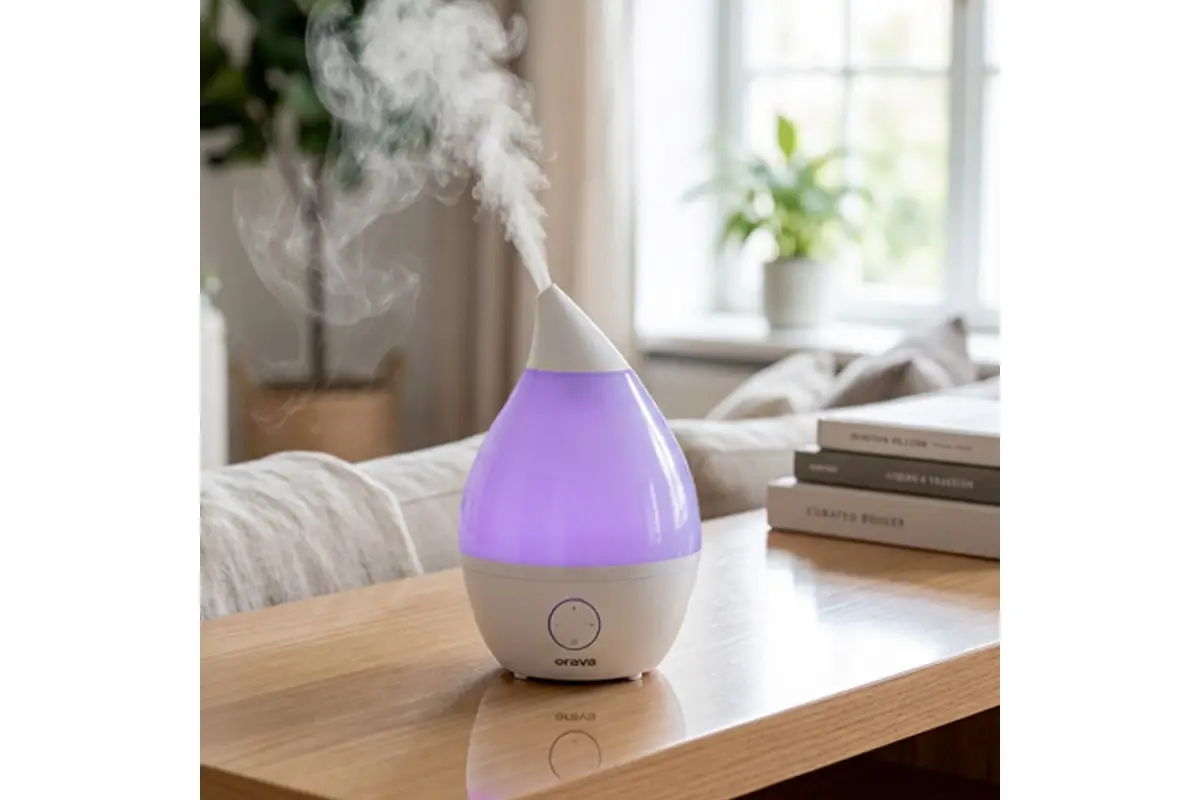
What is a Humidifier and Its Importance for Babies?
At its core, a humidifier is a device that increases moisture in the air by emitting water vapor or steam. While this might seem like a minor detail, for babies, it’s anything but. Their nasal passages are incredibly narrow, making even mild congestion feel like a big blockage. Their skin is also thinner and more prone to losing moisture than an adult’s. This is where a humidifier for baby steps in as a vital tool. By introducing moisture into the nursery, it helps combat the harshness of dry air, which can be exacerbated by indoor heating or cooling systems.
The importance of a humidifier for your baby stems from several key factors. Babies can’t blow their noses, so thinning mucus is essential for easier breathing. Moreover, a balanced humidity level supports their overall respiratory health and helps protect their delicate skin from dryness and irritation.
The Health Benefits of a Humidifier for Baby’s Comfort and Well-being
When used correctly, a humidifier for baby offers a wealth of benefits that can significantly improve your little one’s health and comfort.
Relief from Congestion and Colds
One of the most common reasons parents turn to a humidifier is to alleviate congestion and cold symptoms. Dry air can thicken mucus, making it harder for your baby to breathe and leading to discomfort. A cool mist humidifier introduces moisture that helps thin this mucus, making it easier for your baby to clear their nasal passages, either through sneezing or with gentle assistance from a nasal aspirator. This can provide much-needed relief from stuffy noses and sore throats, allowing them to breathe more freely.
Preventing Dry Skin and Irritation
A baby’s skin is incredibly soft but also highly sensitive and prone to dryness. Low humidity levels can strip moisture from their skin, leading to conditions like dry patches, chapped lips, and even exacerbating eczema or cradle cap. A humidifier helps maintain the skin’s natural moisture barrier, keeping it hydrated and supple. This added moisture in the air can significantly reduce irritation and promote healthy, soft skin.
Supporting Better Sleep
Any parent knows the value of a good night’s sleep for both baby and themselves. Congestion, coughing, or discomfort from dry skin can interrupt a baby’s sleep patterns. By easing breathing difficulties and soothing dry throats, a humidifier for baby creates a more comfortable environment conducive to restful sleep. Some cool mist humidifiers also emit a gentle, quiet hum that can double as soothing white noise, further aiding sleep.
Reducing Airborne Viruses
Research suggests that viruses, including those responsible for colds and flu, tend to thrive and spread more easily in dry environments. Maintaining optimal humidity levels (between 40% and 60%) can actually help reduce the viability of airborne viruses, creating a healthier living space for your entire family, and particularly for your baby with their still-developing immune system.
Cool Mist vs. Warm Mist: Which is Best for Your Nursery?
When selecting a humidifier for baby, the choice between cool mist and warm mist is paramount. While both types add moisture to the air, health experts, including the American Academy of Pediatrics (AAP), strongly recommend cool mist humidifiers for nurseries.
- Cool Mist Humidifiers disperse a fine, cool vapor into the air. They typically operate in two ways:
- Ultrasonic humidifiers use high-frequency vibrations to create a fine mist.
- Evaporative humidifiers use a fan to blow air through a wet wick filter.
Both methods are safe as they do not involve a heating element, eliminating any risk of burns, which is crucial in a baby’s room. Cool mist can also help shrink nasal passages, offering additional relief during colds.
- Warm Mist Humidifiers boil water to produce steam, which is then released into the air. While the warm mist can feel soothing for adults with congestion, the heating element and hot water pose a significant burn hazard if the humidifier is accidentally knocked over or touched by curious little hands. For this reason, they are generally not recommended for use in children’s rooms.
Therefore, when choosing a humidifier for baby, always opt for a cool mist model to ensure maximum safety.
What to Look For: Choosing the Right Humidifier for Your Baby’s Room
Navigating the market for the perfect humidifier for baby can feel overwhelming, but focusing on key features can simplify the process:
- Safety Features: Prioritize models with an automatic shut-off feature that activates when the water tank is empty. This prevents the unit from running dry and potentially overheating. As mentioned, always choose a cool mist humidifier to eliminate burn risks.
- Quiet Operation: A noisy humidifier can disrupt your baby’s sleep. Look for ultrasonic models or evaporative units specifically designed for quiet operation (often advertised as “whisper-quiet” or with low decibel ratings). Many modern humidifiers are designed to be almost silent, making them ideal for nurseries.
- Easy Cleaning & Maintenance: This is perhaps the most critical feature after safety. Humidifiers can be a breeding ground for mold and bacteria if not cleaned regularly. Choose a model with a wide tank opening, removable and dishwasher-safe parts, or a design that allows for easy access to all interior surfaces for thorough cleaning. Some newer models even feature antimicrobial materials or UV light to help keep the water cleaner.
- Optimal Tank Size & Run Time: A larger tank means longer operation without constant refilling, which is a blessing during nighttime. Look for models that can run for at least 12-24 hours on a single fill to ensure continuous humidification throughout the night.
- Built-in Humidistat for Control: A humidistat allows you to set your desired humidity level, and the device will automatically turn on and off to maintain it. This prevents over-humidification, which can lead to mold growth and dampness. If a model doesn’t have one, consider purchasing a separate hygrometer to monitor the room’s humidity.
- Minimal Light Emission: Many humidifiers come with nightlights or bright display panels. For a baby’s room, choose a model that allows you to turn off or dim any lights to prevent disruption to sleep.
- No Essential Oils (or Extreme Caution): While aromatherapy humidifiers exist, it’s generally recommended to avoid using essential oils in a humidifier for baby unless the product is specifically designed for infant-safe aromatherapy and approved by your pediatrician. Some essential oils can be too harsh for a baby’s developing respiratory system.
Essential Tips for Safe and Effective Humidifier Use in the Nursery
Using your humidifier for baby effectively and safely involves a few key practices:
- Maintain Ideal Humidity Levels: The sweet spot for a baby’s room is between 40% and 60% relative humidity. Levels below 40% are too dry, while anything above 60% can encourage mold, mildew, and dust mite growth, which can exacerbate allergies and respiratory issues. Use a hygrometer to monitor the room’s humidity and adjust your humidifier’s settings accordingly.
- Proper Placement: Always place the humidifier on a flat, stable surface, well out of your baby’s reach. Keep it away from cribs, curtains, walls, and electrical outlets to prevent accidents, potential water damage, or mold growth on surfaces.
- Use Distilled Water: Tap water contains minerals that can create a fine white dust (mineral dust) that spreads throughout the room and can be inhaled, potentially irritating sensitive lungs. These minerals also contribute to scale buildup in the humidifier. Using distilled or demineralized water helps prevent this, ensuring cleaner mist and easier maintenance.
- When to Use: A humidifier is most beneficial during dry seasons (often winter when heating is on) or when your baby is experiencing cold symptoms, congestion, or dry skin. It’s not always necessary to run it continuously if your home’s natural humidity levels are already comfortable.
Keeping It Clean: Humidifier Maintenance for a Healthy Environment
Proper cleaning is non-negotiable for any humidifier for baby. Without it, the standing water can become a breeding ground for bacteria and mold, which are then released into the air your baby breathes, potentially worsening respiratory issues rather than helping them.
- Daily Rinsing: Every day, empty the water tank and base, rinse all parts thoroughly with clean water, and wipe them dry before refilling with fresh distilled water.
- Weekly Deep Cleaning: At least once a week (or more frequently if you notice buildup), perform a deep clean:
- Unplug and Disassemble: Always unplug the unit and take apart all removable components.
- Remove Mineral Deposits: Fill the water tank and base with undiluted white vinegar. Let it soak for 20-30 minutes to dissolve mineral buildup. Use a soft brush or sponge to gently scrub any stubborn deposits. For smaller parts like the tank cap, wipe them with a vinegar-soaked cloth.
- Disinfect: After rinsing out the vinegar, some manufacturers recommend disinfecting with a mild bleach solution (e.g., ½ gallon of water with ½ teaspoon of bleach). Pour the solution into the tank and base, let it stand for 20 minutes, then rinse very thoroughly until all bleach smell is gone. Alternatively, some models have dishwasher-safe parts, making sanitization easier.
- Dry Completely: Allow all parts to air dry completely before reassembling to prevent mold growth.
- Filter Replacement: If your humidifier uses a filter, follow the manufacturer’s guidelines for regular replacement. Filters collect impurities and can become moldy if not changed frequently.
Frequently Asked Questions about Humidifiers for Babies
How often should I clean my baby’s humidifier?
For optimal hygiene, you should rinse your baby’s humidifier daily and perform a deep clean at least once a week, or more often if you notice mineral buildup or discoloration.
Can I use essential oils in my baby’s humidifier?
It’s generally advised to avoid using essential oils in a humidifier for baby unless the device is specifically designed for infant-safe aromatherapy, and you have consulted your pediatrician. Many essential oils can be too potent for a baby’s developing respiratory system and may cause irritation.
What is the ideal humidity level for a baby’s room?
The ideal relative humidity level for a baby’s room is between 40% and 60%. Monitoring this with a hygrometer is recommended to prevent the air from becoming too dry or too damp.
How far should a humidifier be from a baby?
Always place the humidifier on a stable surface, at least 4 feet (approximately 1.2 meters) away from your baby’s crib and out of their reach. Ensure it’s not placed directly under vents or near curtains to allow for even mist distribution and prevent mold growth on nearby surfaces.
When should I stop using a humidifier for my baby?
You can continue to use a humidifier for baby as long as it provides comfort, especially during dry seasons or when they are congested. However, always monitor the room’s humidity and your baby’s symptoms. If humidity levels are naturally high or your baby’s symptoms resolve, you can discontinue use. Remember that a humidifier is a supportive tool, not a cure.
Conclusion
A humidifier for baby can be a wonderful addition to your nursery, providing much-needed relief from congestion, preventing dry skin, and fostering an environment conducive to better sleep. By understanding the differences between cool and warm mist, choosing a model with essential safety and convenience features, and committing to diligent cleaning, you can harness the full benefits of this simple yet powerful device. Prioritizing correct usage and maintenance ensures that your humidifier remains a source of comfort and health for your little one, helping HumidifyPro Vietnam equip you with the best solutions for a happy, healthy nursery.