Ever feel that irritating dryness in the air, especially during chilly winters or scorching summers when your HVAC system is working overtime? It’s not just uncomfortable; it can take a toll on your skin, your sinuses, and even your home’s furnishings. That’s where a humidifier steps in, and when it comes to reliable, effective solutions, the Honeywell Humidifier stands out as a top choice. These clever devices are designed to restore much-needed moisture to your indoor environment, transforming a parched space into a comfortable oasis.
At its core, a humidifier works by releasing water vapor into the air, increasing the relative humidity. Maintaining an optimal indoor humidity level, typically between 40-60%, is crucial for both your well-being and the longevity of your home. Honeywell, a trusted name in home comfort, offers a diverse range of humidifiers designed to meet various needs, ensuring you can find the perfect fit to combat dry air woes.
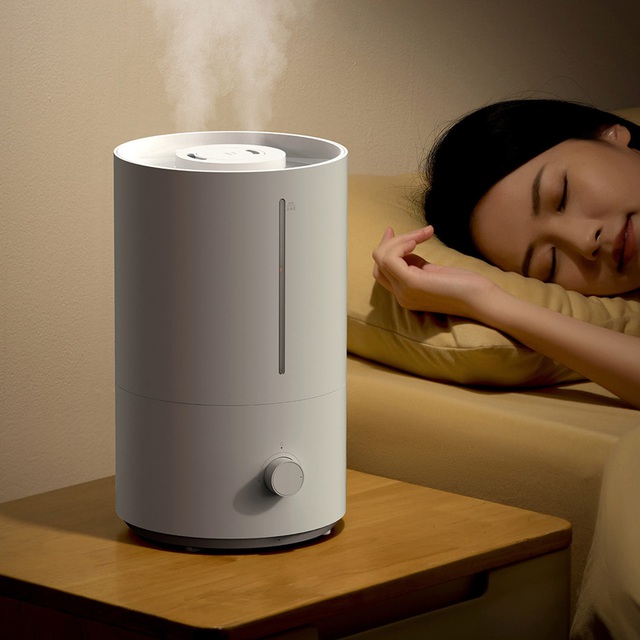
Understanding the Different Types of Honeywell Humidifiers
Honeywell has engineered several types of humidifiers, each with a unique approach to adding moisture. Knowing the differences can help you choose the best Honeywell humidifier for your space and preferences.
Cool Mist Humidifiers
What are cool mist humidifiers?
Honeywell cool mist humidifiers operate by drawing water from a reservoir through a wicking filter. A fan then blows cool, dry air over this moistened filter, dispersing invisible, fine mist into your room. This method is often preferred for general use and in warmer climates as it doesn’t add heat to the room. Popular models include the Honeywell HCM350 and HUL series.
- How do they work? Water is absorbed by a filter, and a fan evaporates the moisture into the air.
- Key Benefits: They provide a refreshing mist, are energy-efficient, and are generally considered safe for children’s rooms as there’s no heating element. They are excellent for alleviating dry skin, chapped lips, and nasal dryness without increasing room temperature.
- Maintenance Note: These often require regular filter changes.
Warm Mist Humidifiers
How do Honeywell warm mist humidifiers differ?
Unlike their cool mist counterparts, Honeywell warm mist humidifiers use a heating element to boil water, producing a soothing, visible warm steam. This steam then cools slightly before being released into the air. This type of Honeywell humidifier can be particularly comforting during colder months.
- How do they work? Water is heated to create steam, which is then released.
- Key Benefits: The warm mist can feel comforting in cold weather, and the boiling process helps kill bacteria and germs in the water before they’re dispersed. They are often beneficial for relieving coughs and congestion. The Honeywell HWM845BR1 is a well-regarded filter-free warm mist option.
- Maintenance Note: Mineral deposits (white dust) can be more prevalent, requiring consistent cleaning.
Ultrasonic Humidifiers
What makes ultrasonic Honeywell humidifiers unique?
Honeywell ultrasonic humidifiers utilize high-frequency sound vibrations to break water into an extra-fine mist. This technology allows for extremely quiet operation and highly energy-efficient performance.
- How do they work? Ultrasonic vibrations create a fine, visible mist.
- Key Benefits: Exceptionally quiet operation, making them ideal for bedrooms and offices. They are often filter-free, reducing ongoing costs.
Whole-Home Humidifiers
Can a Honeywell humidifier humidify my entire home?
Yes, Honeywell also offers whole-home humidification systems that integrate directly with your HVAC system. These units, which include bypass, fan-powered, and steam models, distribute moisture throughout your entire living space via your ductwork, providing comprehensive humidity control.
- How do they work? They attach to your furnace or ductwork, using your home’s heating system to distribute moisture.
- Key Benefits: Consistent humidity levels throughout the entire house, requiring less frequent refilling than portable units, and protecting all your home’s wooden elements from drying out.
The Transformative Benefits of a Honeywell Humidifier
Investing in a Honeywell humidifier is about more than just adding moisture to the air; it’s about improving your health, protecting your home, and enhancing your overall comfort.
Health and Wellness Advantages
How can a Honeywell humidifier improve my health?
Dry air can wreak havoc on your body, leading to a host of uncomfortable symptoms. A Honeywell humidifier directly addresses these issues by maintaining optimal humidity levels, which can significantly reduce discomfort and promote better health.
- Alleviates Dry Skin and Chapped Lips: By adding moisture to the air, humidifiers help your skin retain its natural hydration, preventing dryness, itching, and cracking.
- Soothes Respiratory Passages: Dry air can irritate your throat and nasal passages, making you more susceptible to colds, flu, and allergies. Humidified air keeps these passages moist, offering relief from congestion, coughs, and sinus discomfort.
- Reduces Allergy Symptoms: For many allergy sufferers, dry air can worsen symptoms. A properly humidified environment can help keep nasal passages clear and reduce airborne irritants.
- Promotes Better Sleep: Many users report sleeping more soundly when a Honeywell humidifier is running, especially when battling congestion or a dry throat. The soothing mist can create a more conducive sleep environment.
- Combats Flu Viruses: Studies suggest that maintaining indoor humidity between 40-60% can reduce the survival rate of flu viruses on surfaces and in the air.
Home Protection and Energy Efficiency
Beyond health, what other benefits does a Honeywell humidifier offer?
A Honeywell humidifier safeguards your home and can even contribute to energy savings.
- Protects Wood Furnishings: Dry air saps moisture from wooden furniture, floors, and musical instruments, potentially causing them to crack, warp, or become damaged over time. Proper humidity helps preserve their integrity.
- Reduces Static Electricity: That annoying zap you get from touching surfaces in dry conditions? Increased humidity helps neutralize static electricity in your home.
- Increased Perceived Warmth: Humid air feels warmer than dry air at the same temperature. This means you might be able to set your thermostat a few degrees lower in winter, saving on heating costs, while still feeling just as comfortable.
“Many people underestimate the profound impact of indoor humidity on their daily lives,” says Dr. Emily Chen, a renowned environmental health specialist. “A Honeywell humidifier isn’t just a gadget; it’s a wellness tool that creates a healthier microclimate for you and your family, helping to prevent common ailments associated with dry environments.”
Using and Maintaining Your Honeywell Humidifier for Optimal Performance
To truly reap the benefits of your Honeywell humidifier, proper usage and diligent maintenance are key. This ensures efficient operation, prevents mold and bacteria growth, and extends the life of your unit.
Daily Care for Your Humidifier
What should I do daily to maintain my Honeywell humidifier?
Daily care is simple yet crucial for preventing buildup and maintaining air quality.
- Rinse and Refill: Each day you use your Honeywell humidifier, empty any remaining water from the tank and rinse it thoroughly with fresh water before refilling. This prevents stagnant water from becoming a breeding ground for bacteria.
- Flip the Filter (if applicable): For models with wicking filters, flip the filter (top to bottom) each time you refill the tank. This helps ensure even saturation and prolongs the filter’s life.
Weekly Deep Cleaning
How often should I deep clean my Honeywell humidifier?
A weekly deep clean is essential for descaling mineral deposits and disinfecting your Honeywell humidifier.
- Preparation: Turn off and unplug the unit. Remove the water tank, filter (if applicable), and any other removable parts.
- Descaling (Mineral Removal):
- Pour two cups of undiluted distilled white vinegar into the water tank. Swish the solution to wet the entire inside of the tank.
- Place the tank on the base (if applicable) so the vinegar can drain into the water reservoir and loosen mineral buildup.
- Allow it to soak for 15-20 minutes.
- After soaking, empty the vinegar from the tank and wipe the base and inside of the tank with a soft cloth or brush to remove any lingering scale.
- Rinse all parts thoroughly with clean water until the smell of vinegar is completely gone.
- Disinfecting (Germ Elimination):
- Mix a solution of 1/2 gallon of water with 1/2 teaspoon of liquid household bleach.
- Pour the bleach solution into the water tank and swish to coat the interior.
- Place the tank on the base to let the solution drain into the reservoir.
- Allow it to soak for 20 minutes.
- Empty the solution from the tank and base, then rinse thoroughly with clean water until the smell of bleach is gone.
Important Note: Never mix vinegar and bleach together, as this can create dangerous fumes. Always perform descaling and disinfecting separately, rinsing thoroughly between steps.
Filter Replacement and Water Quality
When should I change the filter in my Honeywell humidifier, and what kind of water should I use?
- Filter Replacement: For filtered models, replacement wicking filters should generally be changed every 30-60 days, or more frequently if you notice discoloration, hardening, or a decrease in mist output. Never attempt to clean a filter with chemicals or soaps; replace it if it’s dirty or smells “off.”
- Water Type: Using distilled water instead of tap water is highly recommended. Tap water contains minerals that can lead to white dust (mineral buildup) and potentially shorten your Honeywell humidifier‘s lifespan.
Seasonal Shut-Down and Start-Up
Before storing your Honeywell humidifier for an extended period, perform a final descale and disinfect. When you bring it out of storage, repeat the process to ensure it’s clean and ready for efficient use.
Factors to Consider When Choosing Your Honeywell Humidifier
With several excellent Honeywell humidifier options available, how do you pick the right one? Here are key considerations:
- Room Size: Consider the square footage of the area you want to humidify. Smaller personal humidifiers are great for bedrooms, while larger console or whole-home units are designed for multiple rooms or an entire house.
- Mist Type: Do you prefer cool, refreshing mist or soothing warm mist? Think about your climate and personal comfort.
- Filter vs. Filter-Free: Filtered models require filter replacements but often offer cleaner moisture output. Filter-free options save on recurring costs but might require more diligent cleaning to prevent mineral buildup.
- Features: Look for features like automatic shut-off (when the tank is empty), adjustable mist output, integrated humidistats (to maintain a target humidity level), essential oil trays, and top-fill designs for easier refilling.
- Noise Level: While many Honeywell models boast quiet operation, some cool mist evaporative units might have a subtle fan sound. Ultrasonic models are typically the quietest.
- Ease of Cleaning: A wide tank opening and fewer small parts make cleaning much simpler, a critical factor for long-term satisfaction.
Frequently Asked Questions About Honeywell Humidifiers
Q: Are Honeywell humidifiers safe for babies and children?
A: Yes, Honeywell humidifiers are generally safe for nurseries. Cool mist humidifiers are often recommended for children’s rooms as they eliminate the risk of burns from warm mist. Always ensure the unit is kept out of reach and cleaned regularly to prevent bacterial growth.
Q: Can I use essential oils in my Honeywell humidifier?
A: Some Honeywell humidifier models come with a dedicated essential oil tray or diffuser. If your model has this feature, you can safely add essential oils. Never add essential oils directly into the water tank unless the manufacturer explicitly states it’s safe, as it can damage the unit.
Q: Why is white dust coming from my Honeywell humidifier?
A: White dust is caused by minerals in tap water being released into the air along with the mist. To minimize white dust, use distilled or demineralized water in your Honeywell humidifier. Regular descaling also helps.
Q: How often do I need to clean my Honeywell humidifier?
A: A daily rinse and refill are recommended. A thorough descaling and disinfecting should be performed weekly, especially during periods of frequent use.
Q: My Honeywell humidifier isn’t producing mist. What should I do?
A: First, check if the water tank is full and correctly seated. For filtered models, the filter might be dry, clogged, or need replacement. For all types, mineral buildup can obstruct mist output, so a thorough cleaning and descaling are often the solution. Ensure the unit is plugged in and powered on.
Q: Can a Honeywell humidifier help with snoring?
A: While a humidifier won’t cure snoring, it can help alleviate snoring caused by dry nasal passages and a dry throat. By keeping these areas moist, it can make breathing easier and potentially reduce snoring severity.
Embrace a Healthier, More Comfortable Home with Honeywell Humidifiers
The search for optimal indoor comfort often leads to the simple yet powerful solution of a humidifier. With a Honeywell humidifier, you’re choosing a brand synonymous with quality and innovation, offering a range of products designed to tackle dry air with efficiency and reliability. From soothing dry skin and alleviating respiratory discomfort to protecting your home’s precious elements, the benefits are clear and far-reaching.
Don’t let dry air dictate your comfort any longer. Explore the diverse selection of Honeywell humidifiers and discover the perfect model to transform your living space into a haven of balanced humidity. Your body, your home, and your peace of mind will thank you. Take the step towards a healthier, more comfortable environment today!