Have you ever walked into your home during the colder months, only to be met with that familiar, uncomfortable dryness? The kind that makes your skin feel tight, your throat scratchy, and sends static electricity shocking through your fingertips? If so, it might be time to introduce a hero into your living space: a Home Humidifier System. These ingenious devices are more than just fancy gadgets; they are essential for creating a comfortable, healthy, and protected environment in your sanctuary. They work tirelessly to add much-needed moisture back into the air, combating the myriad of issues that dry indoor air can cause and ensuring every breath you take is a refreshing one.
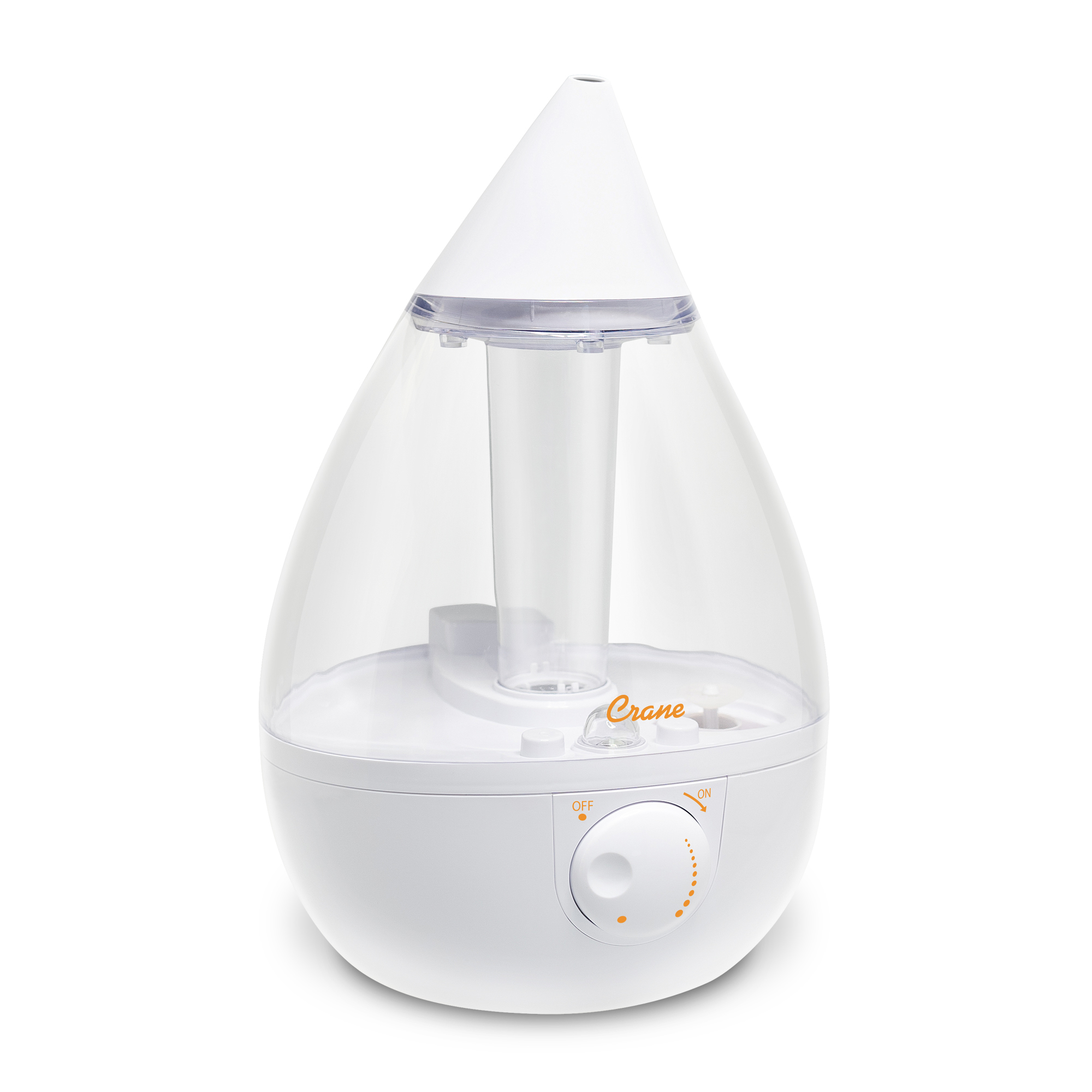
What is a Home Humidifier System and Why Does Your Home Need One?
At its core, a home humidifier system is designed to increase the moisture content in your indoor air. While portable units cater to single rooms, a whole-house humidifier integrates directly with your existing HVAC system, distributing humidified air throughout your entire home. This means consistent, balanced humidity levels everywhere, not just in one corner.
The Silent Culprit: Dry Air’s Impact
When the air in your home is too dry, it can lead to a surprising array of problems, affecting both your well-being and your home itself. From physical discomfort to potential damage to your furnishings, the effects are widespread. The ideal humidity level for most homes ranges between 30% and 60%, with many experts citing 45% as the sweet spot for optimal comfort and health. Deviating from this range can spell trouble.
Discovering the Different Types of Home Humidifier Systems
Understanding the various home humidifier system types is key to choosing the right one for your specific needs. They primarily fall into two categories: whole-house and portable, with whole-house systems offering integrated, comprehensive solutions.
Whole-House Humidifiers: Integrated Solutions
These systems are installed directly into your central heating and cooling ductwork, working seamlessly with your HVAC system to deliver moisture throughout your entire home.
- Bypass Humidifiers: These connect to your HVAC system and use your furnace fan to push warm air through a water panel, evaporating moisture into the air. They’re often favored for their lower initial cost and relatively simple operation, making them a good choice for smaller homes. However, they require a bypass duct and depend on your furnace fan to operate.
- Fan-Powered Humidifiers: Featuring their own built-in fan, these units actively blow air across a water-saturated pad, distributing humidity independently of your furnace fan. This allows for higher moisture output and greater efficiency, making them suitable for larger homes or those without ideal bypass duct locations. While they have a higher initial cost and may require more frequent maintenance, their performance often justifies the investment.
- Steam Humidifiers: Considered the most powerful and precise option, steam humidifiers work by boiling water to create pure steam, which is then released into your ductwork. They offer consistent humidity levels regardless of external temperatures and can operate even when your furnace isn’t running. While they use more electricity than other types, they are highly efficient in terms of water usage and can often be installed without extensive ductwork modifications.
Portable Humidifiers: Flexible Moisture
While our focus is on integrated systems, it’s worth noting that portable humidifiers are standalone units designed for individual rooms or smaller spaces. They offer flexibility and are easy to move, but they require frequent refilling and cleaning. For true whole-home comfort, an integrated home humidifier system is unparalleled.
Unlocking the Benefits: How a Home Humidifier System Transforms Your Living Space
The advantages of maintaining optimal humidity levels in your home are far-reaching, enhancing everything from your personal health to the longevity of your belongings.
Elevating Your Health and Well-being
Dry air can be a real nuisance for your body. A well-maintained home humidifier system helps keep your respiratory system happy by preventing dry nasal passages and sinus irritation, reducing the risk of colds and flu. It can also alleviate common allergy and asthma symptoms, making it easier to breathe. Beyond that, say goodbye to itchy, flaky skin and chapped lips, as proper humidity keeps your skin hydrated and comfortable.
“Maintaining ideal indoor humidity, typically between 40-60%, is not just about comfort; it’s a vital component of a healthy home environment,” says Dr. Anya Sharma, an Environmental Health Specialist. “Proper humidity can significantly reduce the viability of airborne viruses and alleviate common dry-air ailments, transforming your home into a healthier sanctuary.”
Protecting Your Home and Valuables
Your home itself benefits immensely from a home humidifier system. Wood furniture, floors, and musical instruments are particularly susceptible to dry air, which can cause them to crack, warp, and age prematurely. Optimal humidity prevents this damage, preserving the beauty and integrity of your investments. It can even prevent wallpaper from peeling and paint from cracking.
Enhancing Overall Comfort and Efficiency
Beyond health and protection, a home humidifier system makes your living space simply more comfortable. Balanced humidity makes the air feel warmer in winter, potentially allowing you to lower your thermostat settings by a few degrees and save on energy bills. Plus, that annoying static electricity that zaps you every time you touch something? It largely disappears with proper humidity, creating a more pleasant and shock-free environment.
Choosing the Perfect Home Humidifier System for Your Sanctuary
Selecting the right home humidifier system requires a bit of thought, ensuring it perfectly matches your home’s unique needs.
Sizing It Right: Capacity and Home Volume
One of the most crucial factors is the humidifier’s capacity, measured in gallons per day (GPD). This indicates how much moisture the unit can dispense. To determine the right size, you’ll need to consider your home’s total cubic footage (multiply your home’s square footage by your ceiling height) and how “drafty” your house is. A system that’s too small won’t keep up, while one that’s too large could lead to excessive humidity.
Considering the Type: Which System Fits Your Lifestyle?
Your choice between bypass, fan-powered, or steam models will depend on several factors:
- Home Size: Larger homes often benefit from the higher output of fan-powered or steam humidifiers.
- HVAC System: Whole-house units integrate with your existing setup, so compatibility is key.
- Humidity Needs: If you require very precise and consistent humidity, a steam humidifier might be your best bet.
- Budget: Initial purchase cost, installation, and ongoing operating expenses (especially electricity for steam models) should be considered.
Beyond the Price Tag: Operating and Maintenance Costs
Don’t just look at the upfront price. Factor in the operating costs, particularly energy consumption, and the long-term maintenance required. While whole-house units generally demand less daily attention than portable ones, they still need regular care.
Smart Features to Look For
Modern home humidifier systems come with features that enhance convenience and efficiency. Look for models with adjustable humidity settings, automatic shut-off capabilities when desired humidity is reached, and compatibility with smart thermostats or dedicated humidistats for precise control. An easy-to-clean design is also a significant plus for hassle-free maintenance.
Essential Care for Your Home Humidifier System: Maintenance and Troubleshooting
Just like any other appliance, your home humidifier system needs regular love and attention to perform its best and maintain healthy indoor air quality. Skipping maintenance can lead to mineral buildup, reduced efficiency, and even issues like mold growth.
Your Routine Maintenance Checklist
Establish a consistent routine to keep your humidifier running smoothly:
- Replace or Clean the Water Panel/Evaporator Pad: This is the heart of the system. Check it every 1-3 months during the heating season, or more frequently if you have hard water. Disposable pads should be replaced, while reusable ones can be soaked in a vinegar solution to remove mineral deposits.
- Clean the Humidifier Housing: Annually, ideally before winter, give the interior a good wipe-down to prevent dust and dirt accumulation.
- Check Humidistat Settings: Ensure your humidity levels are set appropriately (30-60%).
- Inspect Water Supply Line: Periodically check for any blockages or leaks to ensure proper water flow.
- Use Distilled Water (if applicable): For portable and some whole-house systems, using distilled water can significantly reduce mineral buildup and prevent white dust.
- Empty Tank When Not in Use: If you have a portable unit or are turning off your whole-house system for the warmer months, drain it to prevent stagnant water and bacterial growth.
Tackling Common Humidifier Problems
Even with the best care, issues can arise. Here are some common problems and their straightforward solutions:
- No Mist or Insufficient Humidity?
- First, check the water level; it might simply need refilling.
- Inspect the filter or water panel for clogging or mineral buildup. Cleaning or replacement often solves this.
- Ensure the tank is correctly seated, as some units won’t operate if misaligned.
- If it’s an ultrasonic model, a damaged transducer plate might be the culprit, often requiring professional replacement.
- Leaking Water?
- Check if the water tank is overfilled or incorrectly placed.
- Inspect all hoses and connections for security.
- A clogged drainage system can also cause overflows.
- Unpleasant Odors?
- A musty smell usually signals bacterial or mold growth in the water reservoir or on the filter. Regular cleaning with a vinegar solution or a mild bleach solution (followed by thorough rinsing) is essential.
- White Dust Woes?
- This is often caused by mineral deposits from hard water being dispersed into the air. Switching to distilled water is the most effective solution.
The Power of Professional Maintenance
While many tasks are DIY-friendly, professional servicing at least once a year is highly recommended, especially for whole-house systems. Technicians can perform thorough cleanings, check all components, ensure optimal performance, and address any potential issues before they become major problems.
Conclusion
Investing in a home humidifier system is an investment in your health, comfort, and the longevity of your cherished home. By understanding the different types, recognizing their profound benefits, making an informed choice, and committing to regular maintenance, you’re not just buying an appliance; you’re creating a healthier, more harmonious living environment. Say goodbye to dry air woes and embrace the balanced, comfortable atmosphere a well-chosen and well-maintained humidifier system can bring. We encourage you to explore the perfect home humidifier system for your space and experience the remarkable difference it makes firsthand!