Ever felt that annoying dryness in your throat, experienced chapped lips, or noticed static electricity crackling through your home? Chances are, your indoor air is craving a little moisture. That’s where a trusty Home Humidifier steps in, transforming arid spaces into comfortable, healthier havens. It’s more than just a gadget; it’s a game-changer for your well-being and even the longevity of your home furnishings.
What Exactly is a Home Humidifier and Why Does it Matter?
At its core, a home humidifier is an appliance designed to add moisture, in the form of water vapor or mist, back into the air. Think of it as giving your indoor environment a much-needed drink, especially during dry seasons like winter or in naturally arid climates. The goal is to maintain a relative humidity level between 30% and 50%. When humidity drops too low, it can lead to a whole host of uncomfortable and even damaging issues. We’re talking about dry skin that just won’t quit, itchy eyes, a scratchy throat, and even the annoying static cling that makes laundry day a nightmare.
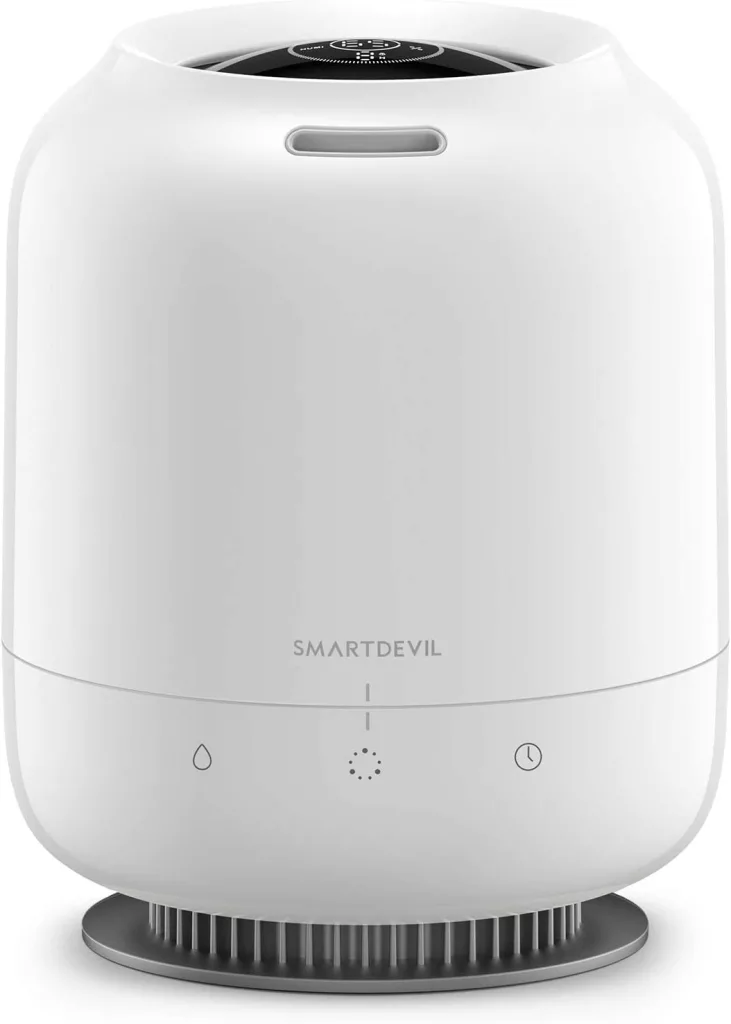
Maintaining this optimal humidity range isn’t just about feeling good; it’s a strategic move for a healthier living space. Without enough moisture, everything from your delicate mucous membranes to your beloved wooden furniture can suffer. A home humidifier ensures that your air is always just right, making a noticeable difference in your daily comfort.
Beyond Comfort: The Surprising Benefits of a Home Humidifier
You might think a home humidifier is just for when you’re feeling under the weather, but its advantages stretch far beyond temporary relief.
Boosting Your Health and Well-being
One of the most immediate benefits you’ll notice is the positive impact on your health. Dry air can irritate your respiratory system, making you more susceptible to colds, flu, and allergy flare-ups. A well-maintained home humidifier can:
- Soothe Dry Skin and Irritation: Low humidity is a prime culprit for dry, flaky skin, and can even worsen conditions like eczema. Adding moisture to the air helps your skin retain its natural hydration, leaving it feeling softer and more comfortable.
- Ease Congestion and Sore Throats: When your nasal passages and throat are dry, they become more vulnerable to irritation and infection. A home humidifier keeps them moist, helping to clear congestion and alleviate the discomfort of a sore throat.
- Reduce the Spread of Viruses: Studies suggest that maintaining indoor humidity above 40% can significantly reduce the infectivity and spread of airborne viruses, creating a healthier environment for everyone in your household.
- Alleviate Allergy and Asthma Symptoms: For many, dry air can exacerbate allergy and asthma symptoms. By preventing airways from drying out, a home humidifier can provide much-needed relief and make breathing easier.
Protecting Your Home and Lifestyle
It’s not just your body that benefits. Your home itself can thrive in properly humidified air.
- Preserving Wooden Furniture and Flooring: Ever noticed cracks forming in your hardwood floors or fine lines appearing on wooden furniture? Dry air is often the cause. A home humidifier helps keep the wood moisturized, preventing it from warping, shrinking, or cracking, thus protecting your valuable investments.
- Keeping Houseplants Happy: If you’re a plant parent, especially to tropical varieties, you know they love humidity. A humidifier can provide the ideal environment for your leafy companions to flourish, adding a touch of natural beauty to your home.
- Eliminating Static Electricity: Tired of getting zapped every time you touch a doorknob? Dry air is a major contributor to static electricity. Increasing the humidity helps dissipate static charges, making your home a more comfortable and less shocking place to be.
- Potential Energy Savings: Humid air feels warmer than dry air at the same temperature. This means you might be able to set your thermostat a degree or two lower while still feeling cozy, potentially leading to small but noticeable savings on your energy bill.
Navigating the Mist: Types of Home Humidifiers Explained
Choosing a home humidifier can feel a bit like stepping into a mist-filled maze, with so many options available. Understanding the main types will help you find the perfect match for your needs.
Portable Humidifiers: Ideal for Room-Specific Comfort
These are the most common type, perfect for humidifying individual rooms or smaller areas.
- Cool Mist Humidifiers:
- Ultrasonic Humidifiers: These marvels use high-frequency vibrations to create a fine, cool mist. They’re incredibly quiet, making them ideal for bedrooms or offices, and often don’t require filters. However, if you use tap water, you might notice a fine “white dust” of mineral deposits on surfaces, so distilled water is often recommended.
- Evaporative Humidifiers: These work by drawing air through a moistened wick filter, which absorbs water from the tank. A fan then blows the air over the filter, releasing invisible cool moisture into the room. They self-regulate humidity naturally and are generally more effective in larger spaces. They do require regular filter replacement, which is an ongoing cost.
- Pros of Cool Mist: Safer for homes with children and pets as there’s no heating element; more energy-efficient than warm mist units; good for larger areas.
- Cons of Cool Mist: Evaporative models require filter changes; ultrasonic models can produce white dust with hard water.
- Warm Mist Humidifiers:
These humidifiers boil water to create a warm, sterile vapor, which then cools slightly before being released into the air. Many find the warm mist soothing, especially during cold and flu season.- Pros of Warm Mist: The boiling process can kill bacteria and mold spores in the water before they’re released; often quieter than evaporative models as they lack a fan; can feel comforting in colder climates or when you have congestion.
- Cons of Warm Mist: Use more electricity; can increase room temperature slightly; the heating element poses a burn risk, making them less suitable for homes with young children or pets.
Whole-House Humidifiers: Seamless, Integrated Solutions
For consistent humidity throughout your entire home, a whole-house humidifier is the way to go. These systems integrate directly with your home’s HVAC system, often connecting to your water supply, meaning no constant refilling of tanks.
- Steam Humidifiers: These are the most precise, boiling water to produce steam that’s then distributed through your ductwork. They offer excellent control over humidity levels and can operate independently of your furnace.
- Fan-Assisted Humidifiers: A fan within the unit blows air over a water panel, distributing moisture throughout your home via the existing ductwork. They’re a good option for homes with moderate humidity needs.
- Bypass Humidifiers: These divert warm air from your furnace through a water-saturated pad before returning it to the air stream. They are typically less expensive but offer less precise control and are best for homes with lower humidity demands.
- Overall Benefits of Whole-House Humidifiers: Consistent humidity across all rooms; quiet operation; no daily refilling; can lead to energy savings; protect your entire home’s structure and furnishings.
Choosing Your Ideal Home Humidifier: A Smart Buyer’s Guide
With the array of options, picking the right home humidifier can feel daunting. Here’s what to consider to ensure you make the best choice for your living space:
- Room Size and Coverage: This is paramount. A small, personal humidifier won’t do much for a large living room. Humidifiers are rated for specific square footage – always match the humidifier’s capacity to the size of the room or area you intend to humidify. For whole-house solutions, consult with an HVAC professional.
- Mist Type Preference: Do you prefer cool or warm mist? Cool mist is often recommended for safety in households with children or pets, while warm mist can be soothing for cold symptoms. Consider your climate and personal comfort.
- Water Tank Capacity and Run Time: If you want your humidifier to run overnight or all day without constant refilling, a larger tank is key. Look for models with longer run times to minimize your involvement.
- Noise Level: For bedrooms or quiet workspaces, an ultrasonic cool mist or warm mist humidifier will generally be the quietest. Evaporative models, with their internal fans, tend to produce a gentle fan-like hum.
- Ease of Cleaning and Maintenance: This cannot be overstated. All humidifiers require regular cleaning to prevent mold, mildew, and mineral buildup. Look for models with wide openings, easily accessible components, and dishwasher-safe parts if possible. Filters are another consideration – filter-less models save on recurring costs, but you must be diligent with cleaning.
- Smart Features: Many modern home humidifiers come with built-in humidistats (which automatically maintain your desired humidity level), auto shut-off features when the water runs low or target humidity is reached, timers, and even app or voice control for ultimate convenience.
Keeping Your Home Humidifier in Top Shape: Essential Care and Maintenance
A home humidifier is an investment in your comfort and health, and like any appliance, it thrives with proper care. Regular maintenance isn’t just about efficiency; it’s crucial for preventing the growth of mold, bacteria, and mineral buildup, which can be released into your air.
- Regular Cleaning is Non-Negotiable: For portable units, plan to clean them at least once a week, or even more frequently with heavy use. For whole-house systems, monthly checks and annual professional servicing are recommended. Always turn off the power and water supply before you begin.
- Tackling Mineral Buildup: Hard water can leave behind mineral deposits, often seen as a white crust. A solution of 1 part white vinegar to 3 parts water is your best friend here. Soak removable parts in this solution, then scrub gently and rinse thoroughly. Some parts might require a dedicated descaling solution.
- Filter and Pad Replacement: If your humidifier uses filters, water panels, or evaporator pads, check your user manual for recommended replacement schedules, typically annually or more often if you have hard water or notice significant buildup. A clogged filter reduces efficiency and can harbor unwanted growth.
- Water Quality Matters: While many humidifiers can use tap water, distilled water is highly recommended for ultrasonic humidifiers to minimize white dust. Always empty and refill the tank with fresh water daily for portable units to prevent stagnant water issues.
- Seasonal Usage Tips: If you have a whole-house humidifier, remember to shut it off completely during warmer months when your air conditioning is running, as these systems have opposing functions.
- Monitor Humidity Levels: Use the built-in humidistat or an external hygrometer to ensure your home’s humidity stays within the optimal 30-50% range. Never set it above 60%, as excessive humidity creates an environment ripe for mold and mildew growth.
Expert Insights on Home Humidity
“Maintaining optimal indoor humidity with a home humidifier isn’t just about comfort; it’s a proactive step towards better respiratory health and preserving your home’s integrity,” advises Dr. Evelyn Reed, an environmental health specialist. “Many people underestimate the profound impact dry air can have, from skin conditions to the very structure of their homes. A well-chosen and diligently maintained home humidifier is a simple yet powerful tool for a healthier living environment.”
Common Questions About Home Humidifiers
What is the ideal humidity level for a home?
The ideal indoor relative humidity level for most homes is between 30% and 50%. This range is comfortable for humans and helps protect your home and furnishings.
How often should I clean my humidifier?
Portable humidifiers should be cleaned at least once a week, and the water tank should be emptied and refilled daily with fresh water. Whole-house humidifiers generally require monthly checks and annual professional maintenance.
Can humidifiers cause mold?
Yes, if not properly maintained, humidifiers can foster mold and mildew growth. This happens when the water in the tank becomes stagnant or when humidity levels are kept too high (above 60%) in your home. Regular cleaning and maintaining optimal humidity are key.
What’s the main difference between cool mist and warm mist humidifiers?
Cool mist humidifiers release room-temperature mist and are generally safer for households with children or pets. Warm mist humidifiers heat water to produce a warm, sterile vapor, which can be soothing for congestion but carries a slight burn risk.
Do I need a humidifier if I have houseplants?
Many houseplants, especially tropical ones, thrive in higher humidity. While not strictly “needed,” a home humidifier can significantly improve the health and appearance of your houseplants, preventing dry leaf tips and promoting lush growth.
Conclusion
Investing in a home humidifier is a simple yet powerful way to elevate the comfort and health of your living space. From soothing dry skin and easing respiratory issues to safeguarding your wooden furnishings and improving air quality, the benefits are clear. By understanding the different types, making an informed choice based on your specific needs, and committing to a routine maintenance schedule, you can ensure your home humidifier provides optimal relief and a consistently comfortable environment. Take the step towards a healthier, happier home – your lungs, skin, and even your furniture will thank you for it!