Ever feel that irritating dry scratch in your throat during winter, or notice your skin getting flaky even with all the lotion? That’s often the handiwork of dry indoor air, a common issue when your furnace is working hard to keep you warm. The unsung hero in this battle for indoor comfort is often a Furnace Humidifier, a vital addition to any home battling the effects of low humidity. It seamlessly integrates with your existing HVAC system, ensuring a consistent and healthy level of moisture throughout your entire living space, making your home a more comfortable haven all season long.
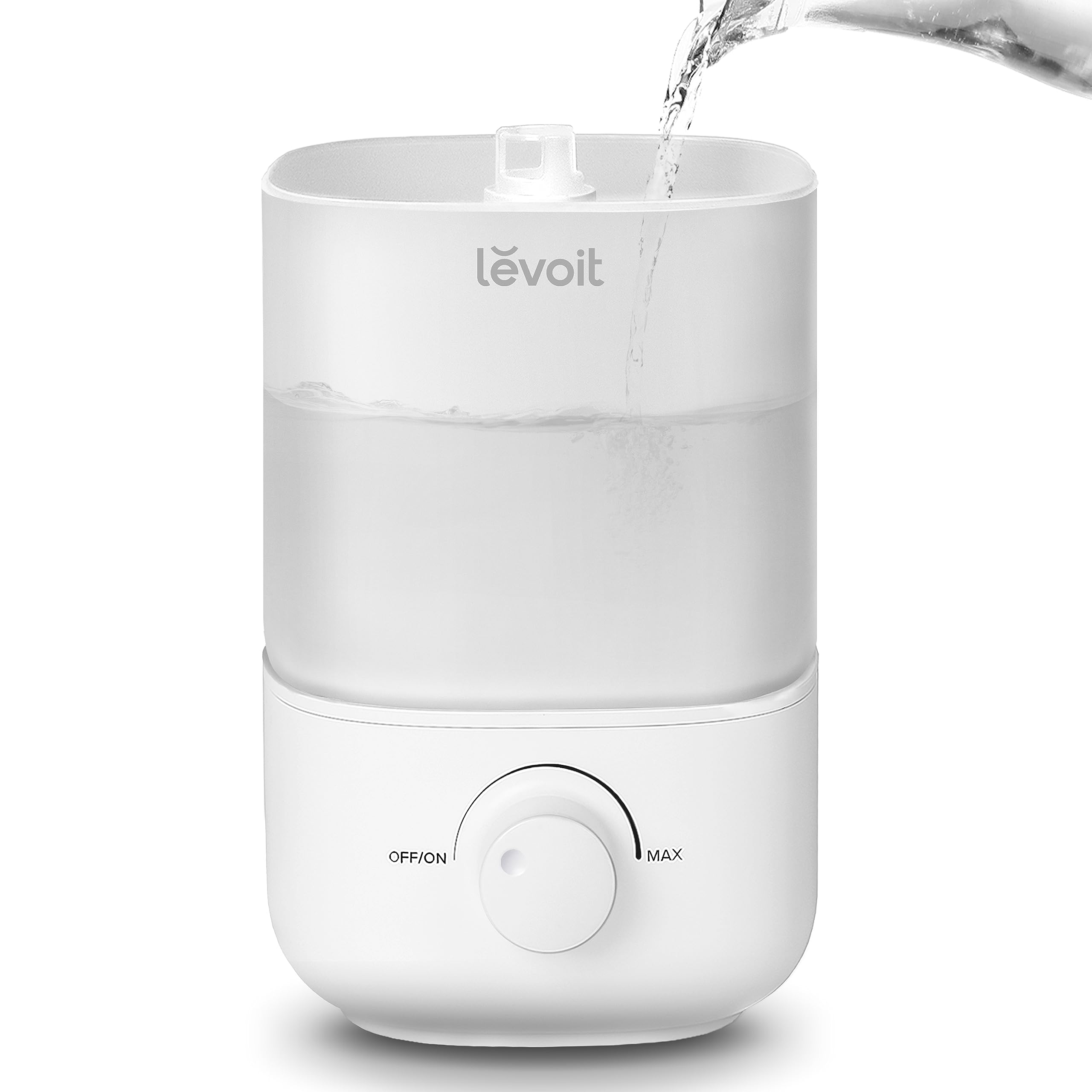
What is a Furnace Humidifier and Why Does it Matter?
A furnace humidifier, often referred to as a whole-house or central humidifier, is a device specifically designed to work in conjunction with your home’s heating, ventilation, and air conditioning (HVAC) system. Unlike portable room humidifiers that only affect a small area, a furnace humidifier connects directly to your furnace and ductwork, distributing moisture-rich air throughout every room. This comprehensive approach means you don’t have to lug around multiple units or constantly refill water tanks.
But why does this matter so much? Maintaining optimal indoor humidity levels, typically between 30% and 50%, is crucial for both your health and your home. Dry air can wreak havoc, causing everything from uncomfortable physical symptoms to potential damage to your property.
The Unseen Benefits: Health and Home Comfort
The advantages of a well-maintained furnace humidifier extend far beyond just feeling a bit better. They truly enhance your quality of life and protect your most valuable asset – your home.
- Improved Respiratory Health: Dry air irritates nasal passages, the throat, and the respiratory system, potentially worsening allergies, asthma, and leading to nosebleeds or increased susceptibility to colds and flu. A furnace humidifier helps keep these sensitive membranes moist, allowing you to breathe easier and reducing discomfort.
- Softer Skin and Hair: Say goodbye to dry, itchy skin, chapped lips, and static-laden hair. Proper humidity helps your skin retain its natural moisture, leaving it feeling softer and healthier.
- Enhanced Comfort and Perceived Warmth: Interestingly, humidified air feels warmer than dry air. This means you might actually be able to lower your thermostat a few degrees, saving on heating costs, while still feeling just as cozy. It’s a win-win for both comfort and your energy bill!
- Protecting Your Home and Valuables: Your home itself benefits significantly. Wood furniture, hardwood floors, musical instruments, and even structural elements like plaster and paint can suffer in excessively dry conditions, leading to cracks, warping, and damage over time. A furnace humidifier safeguards these investments by maintaining stable moisture levels.
- Reducing Static Electricity: Tired of getting zapped every time you touch a doorknob? Dry air is a major contributor to static electricity. A balanced indoor humidity virtually eliminates these annoying shocks.
Types of Furnace Humidifiers: How Do They Work?
When considering a furnace humidifier, you’ll encounter a few primary types, each with its unique operational mechanism. Understanding these can help you choose the best fit for your home.
1. Bypass Humidifiers
What are bypass humidifiers? Bypass humidifiers are among the most common and cost-effective whole-house humidifiers. They are typically installed on the return or supply duct of your furnace system.
How do they work? These units use a bypass duct to divert a portion of the warm air from your furnace. This air is then channeled through a water panel, or evaporator pad, which is kept continuously moist by a water supply. As the warm air passes over this wet pad, it absorbs moisture through evaporation before rejoining the main airflow and being distributed throughout your home. A humidistat controls the operation, ensuring moisture is added only when needed.
2. Fan-Powered (Flow-Through) Humidifiers
What are fan-powered humidifiers? Fan-powered humidifiers are a step up in efficiency from bypass models. They are often installed directly on the supply or return plenum of your furnace.
How do they work? Unlike bypass models, fan-powered humidifiers incorporate their own fan, which actively blows air through a water-saturated evaporator pad. This forced airflow allows them to humidify a larger volume of air more quickly and efficiently. Some models can even operate independently of your furnace’s blower, offering more consistent humidity control even when your heating system isn’t running. They also use a continuous water flow, which drains away minerals, reducing the likelihood of mold and mineral buildup compared to reservoir-style units.
3. Steam Humidifiers
What are steam humidifiers? Steam humidifiers are the most advanced and usually the most expensive type of furnace humidifier, offering the highest level of precision and performance.
How do they work? These systems actually boil water within a self-contained unit to create pure steam. This sterile steam is then dispersed directly into your home’s ductwork, where it mixes with the heated air and is distributed throughout the house. Because they generate their own steam, they can provide consistent humidity levels regardless of the outdoor temperature or whether your furnace is actively heating. This makes them ideal for larger homes, very dry climates, or for individuals with specific health needs requiring precise humidity control.
Table: Comparing Furnace Humidifier Types
| Feature | Bypass Humidifier | Fan-Powered Humidifier | Steam Humidifier |
|---|---|---|---|
| Operation | Uses furnace blower | Has its own fan for active humidification | Boils water to create sterile steam |
| Efficiency | Good | Better | Excellent, most precise |
| Installation | Relatively simple, professional recommended | Professional recommended | More complex, professional recommended |
| Maintenance | Regular pad replacement, cleaning | Regular pad replacement, cleaning | Canister replacement, cleaning |
| Cost | Lower | Medium | Higher |
| Best For | Moderate humidity needs, smaller homes | Moderate to larger homes, more consistent | Large homes, precise control, very dry climates |
Getting the Most Out of Your Furnace Humidifier: Usage and Maintenance Tips
A furnace humidifier is an investment in your home’s comfort and health, and like any appliance, it thrives on proper usage and consistent maintenance. Neglecting it can lead to reduced efficiency, potential health issues like mold growth, or even damage to the unit.
Setting Your Humidistat for Optimal Comfort
Your furnace humidifier is controlled by a humidistat, which functions similarly to a thermostat. You set your desired humidity level, and the unit works to maintain it.
- Ideal Range: Aim for a relative humidity between 30% and 50%. This range is generally considered comfortable and healthy, minimizing the risks of both overly dry air and excessive moisture.
- Adjusting for Outdoor Temperatures: In very cold weather, you might need to slightly lower your indoor humidity setting. Why? Cold windows can cause warm, humid air to condense and potentially freeze, leading to frost buildup or water damage. Your HVAC professional can advise on the best settings for your specific climate.
Essential Maintenance for Longevity and Performance
“Regular maintenance is not just about extending the life of your furnace humidifier; it’s about safeguarding the air quality in your home,” advises Dr. Anya Sharma, a leading HVAC specialist. “Over time, neglecting cleaning can turn a beneficial system into a source of indoor air pollutants.”
Here’s a checklist to keep your furnace humidifier running smoothly:
- Scheduled Filter/Evaporator Pad Replacement: This is the heart of your humidifier. Most bypass and fan-powered models use an evaporator pad (sometimes called a water panel or filter) that needs to be replaced annually, typically at the beginning of the heating season. Steam humidifiers use a canister that also needs periodic replacement, usually every 1-2 years depending on water hardness and usage. Mark your calendar!
- Thorough Cleaning: At least once a season, and ideally before you start using it, perform a thorough cleaning. This involves turning off the power and water supply, removing the water panel or canister, and cleaning out any mineral deposits (limescale) from the water tray, reservoir, or internal components. A mixture of vinegar and water can be effective for descaling.
- Inspect Water Lines and Drainage: Check for any leaks, blockages, or signs of wear in the water supply lines and the drainage tube (if applicable). Ensure water is flowing freely and draining correctly to prevent standing water, which can encourage mold growth.
- Drain and Power Off for Summer: When the heating season ends, turn off the water supply to the humidifier, drain any standing water from the unit, and power it down. This prevents stagnant water from sitting in the unit and reduces the chance of mold or bacterial growth during warmer months.
Maximizing Efficiency and Troubleshooting Common Issues
Ensuring your furnace humidifier operates at peak efficiency means it works smarter, not harder, providing better comfort and potentially saving you money. Even with the best care, sometimes issues pop up.
Tips for Optimal Efficiency
- Professional Installation is Key: The correct sizing and professional installation of your furnace humidifier are paramount. An undersized unit won’t effectively humidify your home, while an oversized one might lead to over-humidification and associated problems. A certified HVAC technician can assess your home’s needs and ensure proper integration.
- Seal Your Home: Just as you insulate for temperature, sealing air leaks around windows and doors helps contain humidity, allowing your humidifier to work more efficiently.
- Use the Humidistat Wisely: Don’t crank the humidistat too high, especially in very cold weather. Over-humidification can lead to condensation on windows, potentially damaging window frames and encouraging mold.
Troubleshooting Common Furnace Humidifier Problems
- No Humidity Output:
- Check the Water Supply: Is the water valve open? Is the water line kinked or blocked?
- Inspect the Humidistat: Is it set to the desired level and turned on? Is it properly wired?
- Examine the Evaporator Pad/Canister: Is it installed correctly? Is it clogged with mineral buildup and needs replacing?
- Verify Furnace Blower Operation: For bypass models, the furnace blower needs to be running for the humidifier to work.
- Water Leaks:
- Tighten Connections: Check all water line connections for tightness.
- Inspect the Drainage Line: Ensure it’s not clogged or improperly sloped.
- Check for Cracks: Inspect the unit itself for any visible cracks or damage.
- Excessive Humidity/Condensation:
- Lower Humidistat Setting: Reduce the target humidity level.
- Check Outdoor Temperature Sensor: Ensure it’s functioning correctly if your unit has one, as it helps prevent over-humidification in cold weather.
- Improve Ventilation: Sometimes, increasing air circulation can help.
If you’ve tried these basic troubleshooting steps and the problem persists, it’s always best to call a qualified HVAC technician. They have the expertise and specialized tools to diagnose and fix more complex issues safely and effectively.
Choosing Your Ideal Furnace Humidifier: What to Consider
Deciding on the right furnace humidifier for your home involves weighing several factors to ensure you get a system that meets your specific needs and provides lasting comfort.
- Home Size and Construction: The size of your home (square footage) and its construction (how well-sealed it is) will dictate the capacity your humidifier needs. Larger, less airtight homes require a more powerful unit, such as a fan-powered or steam humidifier, to effectively humidify the space.
- Climate and Water Hardness: If you live in a perpetually dry climate, a steam humidifier might be worth the higher upfront cost for its superior performance. For homes with hard water, consider models designed to handle mineral deposits more effectively, or those that allow for easier cleaning and pad replacement.
- Budget: Furnace humidifiers range in price, from more economical bypass models to premium steam units. Factor in not just the purchase price, but also installation costs, ongoing maintenance (filter/canister replacements), and energy consumption.
- Desired Level of Control: Do you want simple set-it-and-forget-it operation, or do you prefer precise digital control over humidity levels? Some advanced models offer smart home integration for remote monitoring and adjustment.
- Maintenance Commitment: Be honest about how much time and effort you’re willing to put into maintenance. While all furnace humidifiers require some care, drum-style units generally need more frequent cleaning due to standing water, while flow-through and steam units might be considered lower maintenance on a day-to-day basis, though their specific components still need attention.
- Professional Installation: For optimal performance, safety, and to avoid voiding warranties, professional installation is strongly recommended for all types of furnace humidifiers. An HVAC technician will ensure proper sizing, secure mounting, correct wiring, and leak-free water connections. Brands like AprilAire and Honeywell are widely recognized for their reliable whole-house humidifier options, often favored by professionals.
Frequently Asked Questions (FAQ)
Q1: What is the optimal indoor humidity level for my home?
A1: Most experts recommend maintaining indoor relative humidity between 30% and 50% for optimal comfort, health, and to protect your home from the damaging effects of both dry air and excessive moisture.
Q2: Can a furnace humidifier help with allergies or asthma?
A2: Yes, by preventing the air from becoming too dry, a furnace humidifier can help soothe irritated respiratory passages, which can alleviate symptoms for individuals suffering from allergies, asthma, or frequent sinus infections.
Q3: How often do I need to replace the filter or water panel in my furnace humidifier?
A3: For most bypass and fan-powered furnace humidifiers, the evaporator pad or water panel should be replaced annually, typically at the start of the heating season. Steam humidifier canisters usually last 1-2 years, depending on water quality and usage. Always check your manufacturer’s recommendations.
Q4: Is it difficult to install a furnace humidifier myself?
A4: While some DIY resources exist, furnace humidifier installation involves working with your home’s HVAC system, water lines, and electrical components. It’s a complex task that is best left to a qualified HVAC professional to ensure safety, efficiency, and proper operation.
Q5: Can a furnace humidifier cause mold?
A5: If a furnace humidifier is not properly maintained or if the humidity levels are set too high (over-humidification), it can contribute to mold growth. Regular cleaning and adherence to recommended humidity settings are crucial for prevention.
Q6: How does a furnace humidifier save energy?
A6: Humidified air feels warmer than dry air. By adding moisture, you can often set your thermostat a few degrees lower and still feel comfortable, which can lead to noticeable savings on your heating bills.
Conclusion
A furnace humidifier is more than just an accessory; it’s a foundational component for creating a truly comfortable, healthy, and protected home environment, especially during the dry heating season. From safeguarding your health and preserving your valuable possessions to making your home feel warmer and more inviting, the benefits are clear and profound. Understanding the different types, committing to routine maintenance, and making an informed choice are key to unlocking the full potential of this powerful system. Embrace the balanced air and lasting comfort that a furnace humidifier brings, making every breath a little bit easier and every moment in your home more enjoyable.