Ever felt that familiar tickle in your throat, the stuffy nose, or the incessant sneezing, only to realize that dry indoor air might be making your allergies worse? You’re not alone. When the air inside your home feels like a desert, your body’s natural defenses can struggle, turning your cozy sanctuary into an allergen hotspot. But what if there was a simple solution to bring much-needed relief? Enter the humble humidifier. Choosing the Best Humidifier For Allergies isn’t just about adding moisture to the air; it’s about creating a harmonious indoor environment where you can truly breathe easier and find lasting comfort.
Humidifiers: Your Ally Against Dry Air and Allergies
At its core, a humidifier is a device that releases water vapor or mist into the air, increasing its humidity. But for someone grappling with allergies, it’s much more than that. Dry air can wreak havoc on your respiratory system, drying out your nasal passages and throat, which can make them more susceptible to irritation from allergens like pollen, dust mites, and pet dander. When your mucous membranes are dry, they can’t effectively trap and expel these irritants, leading to a build-up that triggers or worsens allergy symptoms.
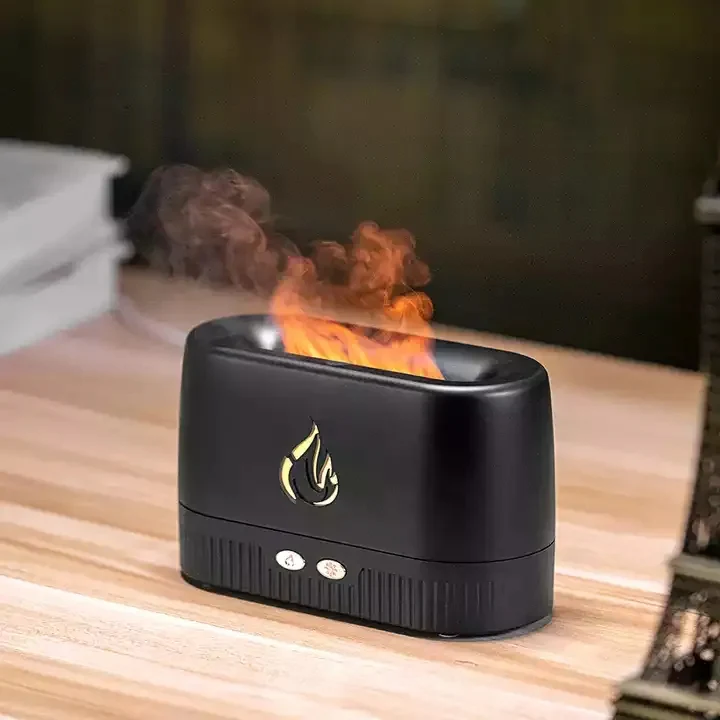
By adding moisture, a good humidifier helps to lubricate these delicate tissues, thinning out mucus and making it easier to clear your airways. This allows your body to better flush out allergens, reducing congestion, soothing scratchy throats, and calming irritated sinuses. Proper humidity can even help reduce inflammation in the nasal passages, providing quick relief. Moreover, adequately humidified air can cause airborne particles like dust and pollen to settle faster, making them less likely to be inhaled.
Different Humidifiers for Different Needs: Which Type is Best for Allergies?
When you’re looking for the best humidifier for allergies, you’ll quickly discover there isn’t a one-size-fits-all answer. Different types of humidifiers work in unique ways, each with its own set of advantages and considerations for allergy sufferers. Understanding these differences is key to making an informed choice.
Cool Mist Humidifiers
Often recommended by experts for allergy relief, cool mist humidifiers don’t use heat to create moisture, making them safer for households with children and pets. They typically come in two main varieties:
- Evaporative Humidifiers: These devices use a fan to draw air through a moistened wick filter, which absorbs water from the tank and releases it as an invisible, fine mist. They are generally energy-efficient and tend to self-regulate, meaning they’re less likely to over-humidify a room. A significant advantage for allergy sufferers is that they typically don’t produce “white dust” (mineral deposits from tap water) because the filter traps these minerals.
- Ultrasonic Humidifiers: Using high-frequency vibrations, ultrasonic humidifiers break water into a fine, cool mist that is then dispersed into the air. They are known for being exceptionally quiet, making them ideal for bedrooms. However, a potential drawback is the “white dust” phenomenon; without distilled or demineralized water, minerals from tap water can be released into the air, potentially settling on surfaces and even irritating sensitive lungs for some. Frequent cleaning is also crucial to prevent mold and bacteria growth.
Warm Mist Humidifiers
Warm mist humidifiers, also known as steam vaporizers, work by boiling water to create steam, which is then cooled before being released into the air. The boiling process kills most bacteria and germs, providing a clean mist. Many find the warm mist soothing for colds and congestion. However, they can pose a burn risk due to the hot water and steam, making them less suitable for homes with young children. They also consume more electricity than cool mist models. While they can be comforting for a cough, some sources suggest the warmth might not always be ideal for widespread allergy relief, as it could potentially cause nasal passages to swell further.
Whole-House Humidifiers
For comprehensive allergy management across your entire home, a whole-house humidifier, integrated directly into your HVAC system, can be a game-changer. These systems provide consistent humidity levels throughout your living space, eliminating the need for multiple portable units and constant refilling. While the initial installation cost is higher, they offer unparalleled convenience and consistent air moisture.
Humidifier-Purifier Combinations
Some advanced models combine humidification with air purification technology, often featuring HEPA filters or UV-C light to capture allergens and kill airborne germs while adding moisture. While these can be more expensive, they offer a dual benefit for improving indoor air quality, which can be highly advantageous for severe allergy sufferers.
Key Features to Look for in the Best Humidifier for Allergies
Beyond choosing a type, several features can significantly impact a humidifier’s effectiveness and ease of use, especially when managing allergies.
- Built-in Humidistat and Auto-Shutoff: This is a non-negotiable feature. An integrated humidistat allows you to set your desired humidity level (ideally between 40-60%), and the unit will automatically adjust its output to maintain it. This prevents over-humidification, which is just as detrimental as dry air, as excessively high humidity can encourage the growth of mold and dust mites – two major allergy triggers. The auto-shutoff feature ensures the unit turns off when the water tank is empty or when the target humidity is reached, preventing damage and maintaining safety.
- Ease of Cleaning: This cannot be stressed enough. A dirty humidifier can quickly become a breeding ground for bacteria, mold, and mildew, releasing these harmful particles directly into your air and exacerbating your allergy symptoms. Look for models with wide tank openings, removable parts that are easy to access and scrub, and filter-free designs (for some types) that simplify maintenance. Some models even incorporate antimicrobial materials or UV-C lights to inhibit microbial growth.
- Filter Options: For evaporative humidifiers, good quality wick filters are essential to trap minerals and prevent white dust. Some humidifiers also offer demineralization cartridges for ultrasonic models or antimicrobial filters to keep the water cleaner. If considering a combo unit, look for true HEPA filters that capture tiny allergens.
- Room Size Coverage: Humidifiers are designed for specific room sizes. Ensure the unit you choose matches the square footage of the space you intend to humidify. An undersized unit won’t be effective, while an oversized one can lead to over-humidification and associated problems.
- Quiet Operation: Especially if you plan to use the humidifier in your bedroom, a quiet unit is paramount for undisturbed sleep. Ultrasonic models are typically the quietest, while evaporative units will have a fan noise, though many are designed to be very subtle.
- Top-Fill Design: This seemingly small feature makes a huge difference in daily convenience. Top-fill humidifiers allow you to easily pour water into the tank from the top, eliminating the need to carry a heavy, awkward tank to the sink for refilling.
- Water Type: Many manufacturers recommend using distilled or demineralized water, particularly with ultrasonic humidifiers, to prevent mineral buildup and the release of white dust. While tap water is often permissible, be aware of its potential drawbacks for air quality and humidifier longevity.
Using Your Humidifier Right: Maintenance Tips to Keep Allergens Away
Owning the best humidifier for allergies is only half the battle; proper usage and diligent maintenance are equally critical to ensure it provides relief, not additional problems.
Daily Cleaning Routine
Every single day, before refilling your humidifier, make it a habit to empty any remaining water from the reservoir. Then, rinse the tank thoroughly with hot, soapy water. This simple step helps remove biofilm and prevents bacteria and mold from taking hold. Make sure to dry it completely before refilling with fresh water.
Weekly Deep Cleaning
Once a week, your humidifier needs a more thorough cleaning. Unplug the unit, then clean the water tank and base with a solution of white vinegar (about 2 cups) and water. You can let this solution sit for 20-30 minutes to break down mineral deposits and kill bacteria, or run the unit with the solution in a well-ventilated area. After soaking, scrub any buildup with a brush. Rinse all components meticulously under running water to remove any vinegar residue. Avoid using bleach, as its fumes can irritate your lungs.
Replacing Filters
If your humidifier uses filters, follow the manufacturer’s recommendations for replacement. Neglecting to change filters can reduce the unit’s efficiency and allow trapped allergens or microbial growth to circulate into your air.
Using Distilled or Demineralized Water
To significantly reduce mineral buildup and the release of white dust, especially with ultrasonic humidifiers, consider using distilled or demineralized water. This not only keeps your air cleaner but also extends the life of your humidifier.
Maintaining Optimal Humidity Levels
This is perhaps the most crucial maintenance tip for allergy sufferers. The U.S. Centers for Disease Control and Prevention (CDC) and Environmental Protection Agency (EPA) recommend keeping indoor humidity levels between 40% and 50% (some sources extend this to 60%). Humidity levels above 60% create a perfect breeding ground for dust mites and mold, which are potent allergens. Use a hygrometer (an inexpensive device available at most hardware stores) to monitor your home’s humidity and adjust your humidifier’s settings accordingly.
The Health and Home Benefits of Proper Humidification
Beyond direct allergy relief, maintaining ideal humidity levels with the best humidifier for allergies offers a wealth of other advantages for your health and home:
- Improved Skin and Hair Health: Dry air can lead to dry, itchy skin, chapped lips, and brittle hair. Humidifiers help replenish moisture in your skin, leaving it feeling softer and more comfortable.
- Better Sleep Quality: Soothing dry airways can reduce nighttime coughing and congestion, promoting more restful sleep.
- Reduced Static Electricity: Static shocks are a common nuisance in dry environments. Proper humidity can significantly cut down on static buildup.
- Protection for Your Home: Wooden furniture, floors, and even musical instruments can suffer in overly dry conditions, leading to cracks and damage. A humidifier helps maintain the integrity of these items.
“Maintaining a balanced indoor humidity level, ideally between 40-50%, is a foundational strategy for managing indoor allergies,” explains Dr. Elena Petrova, a renowned allergy specialist. “However, the benefits are only realized with consistent, meticulous cleaning. A neglected humidifier can quickly go from a helper to a significant source of irritants itself.”
Common Questions About Humidifiers and Allergies
Navigating the world of humidifiers can bring up a lot of questions. Here are some of the most frequently asked:
Can a humidifier make allergies worse?
Yes, absolutely. If a humidifier is not cleaned regularly, it can become a breeding ground for mold and bacteria, releasing these particles into the air. Additionally, if the humidity level in your home becomes too high (above 60%), it creates an ideal environment for dust mites and mold to flourish, which are major allergy triggers.
What’s the ideal humidity level for allergy sufferers?
Experts generally recommend maintaining indoor humidity levels between 40% and 50%. This range is low enough to inhibit the growth of dust mites and mold, yet high enough to provide relief for dry nasal passages and throats. Using a hygrometer helps monitor this.
Should I use cool or warm mist for allergies?
For general allergy relief, cool mist humidifiers are often preferred. They are safer (no burn risk) and evaporative cool mist models don’t produce white dust. While warm mist can be soothing for cold symptoms, cool mist is usually the recommended choice for managing allergies long-term, especially given the concerns about potential nasal swelling and burn hazards associated with warm mist.
How often should I clean my humidifier?
You should rinse the water reservoir and refill it with fresh water daily. A more thorough deep cleaning with white vinegar should be performed at least once a week to prevent the buildup of minerals, mold, and bacteria. Filters should be changed according to the manufacturer’s instructions.
Do I need special water for my humidifier?
For most humidifiers, especially ultrasonic models, using distilled or demineralized water is highly recommended. Tap water contains minerals that can be released as “white dust” into the air, which can be irritating for some allergy sufferers and also cause mineral buildup within the unit.
Can humidifiers help with pet allergies?
Humidifiers can indirectly help with pet allergies. By adding moisture to the air, they can cause pet dander to settle out of the air more quickly, making it less likely to be inhaled. However, a humidifier is not a direct solution for pet allergies; air purifiers with HEPA filters are more effective at removing airborne dander. Proper cleaning and air filtration are still paramount.
Conclusion
Choosing the best humidifier for allergies involves understanding how these devices work, selecting the right type and features for your needs, and committing to a consistent maintenance routine. By maintaining optimal humidity levels in your home, you can significantly alleviate bothersome allergy symptoms, soothe irritated airways, and create a healthier, more comfortable living environment for yourself and your family. Make an informed choice, prioritize cleanliness, and enjoy the profound difference a well-chosen and well-maintained humidifier can make in your quest for clearer breathing.