Ever walked into a room and just felt… stale? Like the air was both too dry and somehow heavy with unseen particles? You’re not alone. Many of us grapple with indoor air quality issues, from pesky allergens and lingering odors to the discomfort of dry air. But what if you could tackle both problems with one smart device? Enter the Best Air Purifier And Humidifier combo – a game-changer for your home environment and overall well-being.
This article isn’t just about another gadget; it’s about understanding how these dual-purpose machines can transform your living space into a sanctuary of clean, comfortable air. We’ll dive deep into what makes them tick, the undeniable benefits they offer, and how to pick the perfect one for your unique needs. Get ready to breathe easier and feel better, every single day.
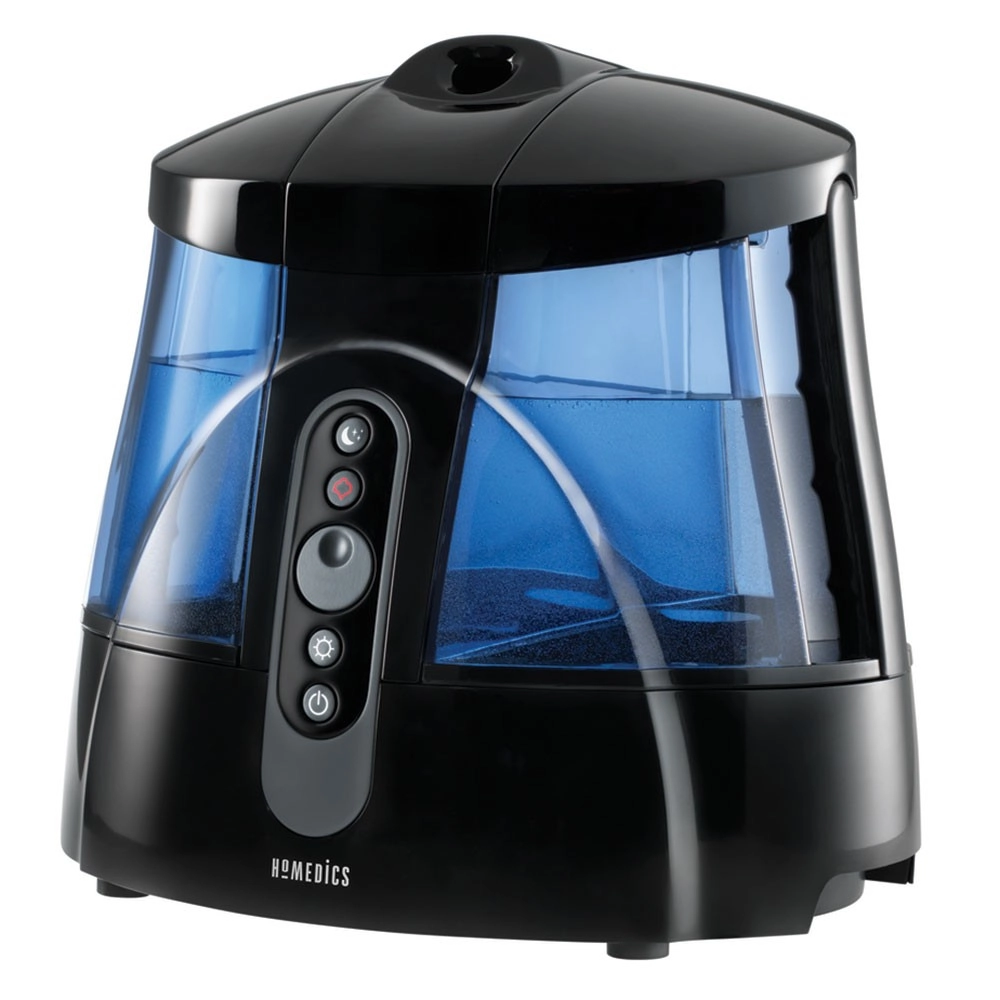
What Exactly Is an Air Purifier and Humidifier Combo?
At its core, an air purifier and humidifier combo is a clever two-in-one appliance designed to optimize your indoor air. Think of it as a dynamic duo: the air purifier diligently scrubs the air, removing airborne contaminants, while the humidifier gracefully adds essential moisture back into the environment.
Why combine them? Individually, they solve distinct problems. Air purifiers are champions at filtering out allergens, dust, pet dander, smoke, and volatile organic compounds (VOCs). Humidifiers, on the other hand, combat dryness, alleviating symptoms like chapped lips, dry skin, and irritated nasal passages. When integrated, they offer a holistic solution, ensuring the air you breathe is not only clean but also optimally humidified, creating a healthier and more comfortable atmosphere in your home.
How These Smart Devices Work: A Look Under the Hood
Understanding the mechanics behind these combo units helps appreciate their efficiency. Each half of the device has its own specialized function, working in tandem for superior air quality.
The Air Purification Powerhouse
The air purification component typically employs a multi-stage filtration system, similar to standalone air purifiers.
- Pre-filter: This is usually the first line of defense, capturing larger particles like dust, pet hair, and lint. It helps extend the life of subsequent filters.
- True HEPA Filter: This is the star of the show. A True HEPA filter is designed to capture 99.97% of airborne particles as small as 0.3 microns. This includes common allergens such as pollen, dust mites, mold spores, and pet dander. It’s crucial for anyone suffering from allergies or asthma.
- Activated Carbon Filter: Following the HEPA filter, an activated carbon filter targets gaseous pollutants. It’s incredibly effective at absorbing odors from cooking, pets, and smoke, as well as harmful VOCs found in household products.
Some advanced models may also incorporate additional purification technologies like ionizers, which release negatively charged ions to clump particles together, or UV-C light, which can neutralize bacteria and viruses.
The Gentle Humidification System
The humidification aspect of these combo units typically uses evaporative or cool mist technology.
- Evaporative Humidifiers: These draw water from a reservoir and pass it through a wick filter. A fan then blows air over the wet filter, causing the water to evaporate into an invisible, fine mist that humidifies the room. This method is often preferred because it’s self-regulating, meaning it won’t over-humidify the air, and it doesn’t release white dust like some ultrasonic humidifiers.
- Cool Mist Humidifiers: These may use ultrasonic vibrations to create a fine mist, which is then dispersed into the air. While effective, some may produce a visible mist and require diligent cleaning to prevent mineral buildup.
Many of the best air purifier and humidifier models come with intelligent sensors that monitor the room’s humidity levels. They automatically adjust their output to maintain an optimal range, typically between 40-60%, preventing both excessive dryness and over-humidification.
The Power Duo: Unpacking the Benefits for Your Health and Home
Investing in the best air purifier and humidifier combo isn’t just about convenience; it’s about making a significant upgrade to your health and living environment. The synergy between these two functions offers a wealth of advantages you might not have considered.
Relief from Dry Air Symptoms
Dry air, especially prevalent during colder months or in air-conditioned environments, can wreak havoc on your body. A humidifier component helps:
- Soothe Skin and Hair: Say goodbye to dry, itchy skin, chapped lips, and static-prone hair. Adequate humidity helps your skin retain moisture naturally.
- Alleviate Respiratory Discomfort: Dry air can irritate your nasal passages and throat, leading to dryness, congestion, and even nosebleeds. Humidified air can provide soothing relief, making it easier to breathe.
- Reduce Allergy and Asthma Triggers: While purifiers directly remove allergens, optimal humidity can also help by preventing mucous membranes from drying out, which can make them more susceptible to irritants.
Allergen and Pollutant Removal
The air purifier function is your frontline defense against invisible threats:
- Combat Allergens: For allergy sufferers, a HEPA filter is invaluable. It effectively captures dust, pollen, pet dander, and mold spores, reducing allergy symptoms like sneezing, watery eyes, and runny noses.
- Eliminate Odors and VOCs: Activated carbon filters work tirelessly to neutralize unpleasant smells from cooking, pets, and even chemical off-gassing from new furniture or cleaning products. This creates a fresher-smelling home.
- Improve Overall Respiratory Health: By removing airborne irritants, the air purifier helps protect your lungs and reduces the workload on your respiratory system, promoting better long-term health.
Protection for Your Home
Beyond personal health, these combo units offer benefits for your living space itself:
- Preserve Wood and Furniture: Dry air can cause wooden furniture, floors, and musical instruments to crack or warp. Maintaining optimal humidity helps protect these valuable household items.
- Support Houseplants: Many houseplants thrive in moderately humid environments. A combo unit can create the ideal conditions for them to flourish.
In essence, an air purifier and humidifier combo doesn’t just treat symptoms; it creates a consistently healthy and comfortable atmosphere where you can genuinely relax and thrive.
Choosing Your Perfect Match: Key Factors to Consider
Selecting the best air purifier and humidifier for your home requires a bit of thought. It’s not a one-size-fits-all situation, as different models offer varying features and capacities. Here’s what to keep in mind when making your choice:
Room Size and Coverage Area
This is perhaps the most critical factor. Manufacturers provide specifications for the maximum room size (in square feet or square meters) that a unit can effectively cover.
- For Purification (CADR): Look for the Clean Air Delivery Rate (CADR), which indicates how quickly the purifier can clean a room of smoke, pollen, and dust. Match the CADR to your room size.
- For Humidification (Output): Consider the humidification output, often measured in gallons per day. A larger output is needed for larger spaces or very dry climates.
Don’t buy a unit too small for your space, as it won’t be effective. For optimal performance, always choose a model rated for a slightly larger area than your room.
Water Tank Capacity and Refill Frequency
The size of the water tank dictates how often you’ll need to refill it.
- Larger Tanks: Ideal for continuous operation, especially overnight or in larger rooms, as they require less frequent refills.
- Smaller Tanks: More compact and suitable for smaller rooms, but you might find yourself refilling them daily or even multiple times a day.
Consider your lifestyle and how much effort you’re willing to put into maintenance.
Filter Types and Replacement Costs
The heart of the air purifier is its filters.
- HEPA and Activated Carbon: Ensure the unit uses True HEPA and a robust activated carbon filter for comprehensive purification.
- Filter Life and Cost: Research how often the filters need to be replaced (typically every 6-12 months for HEPA/carbon) and the cost of replacement filters. This is an ongoing expense to factor into your budget. Some units have washable pre-filters, which can save money.
Noise Level (dB)
If you plan to use the unit in a bedroom or office, noise level is crucial. Manufacturers usually list the noise level in decibels (dB) at various fan speeds.
- Whisper-Quiet: Look for models with noise levels below 30 dB for the lowest fan settings if you’re sensitive to sound, especially at night.
- Higher Speeds: Expect higher dB levels at maximum fan speed, but these are often used for quick air cleaning.
Smart Features and Connectivity
Modern best air purifier and humidifier combos often come with a host of convenient smart features:
- Auto Mode: Uses sensors to detect current air quality and humidity, automatically adjusting fan speed and mist output.
- Air Quality Indicator: Provides real-time feedback on your indoor air quality.
- Smart App Control: Allows you to control the unit, monitor air quality, and set schedules from your smartphone.
- Smart Home Integration: Compatibility with voice assistants like Amazon Alexa or Google Assistant for hands-free operation.
- Timers and Sleep Modes: Enhance convenience and energy efficiency.
Energy Efficiency
Look for models that are energy-efficient to keep your electricity bills in check. Some units may have certifications or specifications indicating their power consumption.
Design and Portability
Consider the aesthetics and footprint of the unit.
- Compact Design: Ideal for smaller spaces or if you plan to move the unit between rooms.
- Modular Design: Some units allow you to detach the humidifier component when not needed, saving space.
- Wheels/Handles: Useful if you intend to move the unit frequently.
By carefully evaluating these factors, you can find the best air purifier and humidifier combo that perfectly aligns with your home environment, health needs, and lifestyle.
Using and Maintaining Your Combo Unit for Peak Performance
To ensure your best air purifier and humidifier combo operates efficiently and effectively for years to come, proper usage and consistent maintenance are key. Think of it as caring for a vital appliance that contributes directly to your family’s health.
Placement Tips for Optimal Coverage
Where you place your unit significantly impacts its performance.
- Central Location: Ideally, place the unit in a central area of the room you wish to treat, away from walls or furniture that could obstruct airflow.
- Away from Vents and Windows: Avoid placing it directly next to air vents, open windows, or direct sunlight, as this can interfere with its sensors and efficiency.
- Elevated Surface: For best mist distribution, particularly with evaporative humidifiers, an elevated surface can be beneficial.
- On a Hard Surface: Avoid placing it on carpets, which can absorb moisture and potentially harbor bacteria.
Regular Cleaning is Non-Negotiable
This is crucial for both hygiene and efficiency, especially for the humidifying component.
- Water Tank: Clean the water tank daily or every other day with mild soap and water, and rinse thoroughly. This prevents the buildup of mold, mildew, and bacteria.
- Base and Water Tray: The base and water tray where water collects should also be cleaned regularly, typically once a week, to prevent slimy buildup. A gentle brush or sponge can help.
- Filters (Humidifier): If your humidifier uses a wick filter, check it weekly and replace it according to the manufacturer’s guidelines, typically every 1-3 months. Hard water can shorten its lifespan.
Filter Replacement Schedule for Air Purification
The air purification filters have a finite life and must be replaced to maintain efficacy.
- HEPA and Carbon Filters: Follow the manufacturer’s recommendations for replacement, usually every 6-12 months, depending on usage and air quality. Ignoring this can lead to decreased purification performance and even recirculation of pollutants.
- Pre-filters: If washable, clean them regularly (e.g., monthly) to remove large particles and extend the life of other filters.
Using Distilled Water
Where possible, using distilled water in your humidifier can make a big difference.
- Prevents Mineral Buildup: Tap water contains minerals that can lead to white dust (a fine mineral powder) being dispersed into the air or mineral deposits building up on internal components. Distilled water eliminates this issue.
- Extends Filter Life: It can also extend the life of your humidifier’s wick filters by preventing mineral clogging.
Optimal Humidity Levels
Aim to maintain indoor humidity levels between 40% and 60%.
- Avoid Extremes: Too low (below 30%) leads to dry air symptoms and static electricity. Too high (above 60%) can encourage mold growth, dust mites, and bacteria, as well as damage your home’s structure.
- Use the Hygrometer: Many units come with a built-in hygrometer or humidistat to help you monitor and maintain these levels automatically.
Consistent and proper maintenance ensures that your best air purifier and humidifier combo remains a powerful tool for a healthier, more comfortable home environment.
Troubleshooting Common Hiccups
Even the best air purifier and humidifier combos can encounter minor issues. Knowing how to troubleshoot common problems can save you a service call and keep your unit running smoothly.
Unit Not Humidifying/Purifying Effectively
- Check Water Level: Is the water tank empty or low? Refill it.
- Filter Condition: Are the humidifier’s wick filter or the air purifier’s HEPA/carbon filters dirty or clogged? Clean or replace them. Clogged filters dramatically reduce performance.
- Room Size: Is the unit too small for your room? An undersized unit will struggle to make a noticeable difference.
- Placement: Is it placed in an obstructed area? Move it to a more open space.
- Humidity Setting: For humidification, is the desired humidity level set too low, or is the room already at that level? Adjust as needed.
Unusual Noises
- Fan Obstruction: A rattling or grinding noise often indicates something is interfering with the fan. Turn off and unplug the unit, then carefully check for any debris.
- Loose Parts: Ensure all components, including the water tank, filters, and covers, are securely in place.
- Mineral Buildup: In humidifiers, mineral deposits can sometimes cause components to vibrate or produce unusual sounds. A thorough cleaning might resolve this.
Mold or Mildew Concerns
This is a serious issue that usually stems from improper maintenance.
- Regular Cleaning: If you notice mold, it’s a clear sign you need to clean the water tank and base more frequently and thoroughly.
- Change Water Daily: Don’t let water sit in the tank for extended periods.
- Use Distilled Water: This can reduce the growth of microorganisms by minimizing mineral deposits, which can be a breeding ground for bacteria.
- Monitor Humidity: Ensure your room’s humidity doesn’t consistently exceed 60%, as this creates an ideal environment for mold growth. If it does, reduce the humidifier’s output or turn it off.
“Maintaining optimal indoor air quality is a dual challenge, requiring both purification and humidification. Many people overlook the importance of balanced humidity, which can impact respiratory health, skin conditions, and even the lifespan of your home furnishings. A well-maintained air purifier and humidifier combo isn’t just a luxury; it’s a foundational element for a truly healthy living space,” says Dr. Anya Sharma, Environmental Health Specialist.
White Dust Accumulation
- Mineral Content: If you’re using tap water, the white dust is likely mineral deposits. Switch to distilled or demineralized water.
- Clean Regularly: Thoroughly clean the humidifier components to remove existing mineral buildup.
By addressing these common issues promptly, you can ensure your best air purifier and humidifier unit continues to provide you with clean, comfortable air without unnecessary hassle.
Frequently Asked Questions (FAQ)
1. Can an air purifier and humidifier combo be used separately?
While integrated, most combos allow you to use just the air purification or just the humidification function independently. This flexibility is great for different seasonal needs.
2. Is it worth investing in an air purifier and humidifier combo?
Absolutely! For those dealing with both dry air symptoms and indoor air quality concerns, a combo unit offers a convenient, space-saving, and often more cost-effective solution than buying two separate devices. It simplifies maintenance and provides comprehensive benefits.
3. Do these units consume a lot of electricity?
Energy consumption varies by model and usage. Generally, modern best air purifier and humidifier combos are designed to be energy-efficient, especially when running on lower settings or in auto mode. Look for models with energy-saving certifications for optimal performance.
4. What’s the ideal humidity level for a home?
Experts recommend maintaining indoor humidity levels between 40% and 60% for optimal comfort, health, and to prevent damage to your home and belongings.
5. How often should I clean my combo unit?
The water tank and base should be cleaned every 1-3 days, and a more thorough cleaning of all humidifier components should be done weekly. Air purification filters (HEPA, carbon) need to be replaced according to manufacturer guidelines, typically every 6-12 months.
Embrace a Healthier Home with the Best Air Purifier and Humidifier
The quest for a truly comfortable and healthy home environment often feels like a balancing act. We battle invisible pollutants, allergens, and the drying effects of modern heating and cooling systems. This is precisely where the best air purifier and humidifier combo steps in, offering a streamlined, powerful solution to two of the most pervasive indoor air challenges.
By investing in one of these intelligent devices, you’re not just buying a gadget; you’re investing in clearer breathing, healthier skin, and a more comfortable living space for everyone under your roof. From diligently scrubbing the air of contaminants to delicately infusing it with optimal moisture, these combos work tirelessly to create an atmosphere where you can genuinely thrive. So, why settle for anything less than perfectly balanced air? It’s time to experience the profound difference the best air purifier and humidifier can make in your daily life. Try it, and feel the fresh, clean difference.