In our modern homes, where controlled climates often mean dry air, finding the right balance of moisture is crucial for both our health and our living spaces. This is where the Best Air Humidifier becomes an invaluable addition, transforming arid environments into comfortable, breathable sanctuaries. If you’ve ever woken up with a scratchy throat, noticed your skin feeling tight, or seen your houseplants wilting, a humidifier might just be the solution you’re searching for. It’s more than just a gadget; it’s a wellness tool that quietly works in the background to improve your quality of life.
What is an Air Humidifier and Why Does it Matter?
At its core, an air humidifier is a device designed to add moisture to the air, increasing the humidity levels in a room or an entire home. When indoor air becomes too dry, often due to heating systems in colder months or air conditioning in warmer climates, it can lead to a host of uncomfortable and even problematic issues. Maintaining an optimal humidity level, typically between 30% and 50%, is key to preventing these issues and fostering a healthier indoor environment. Without enough moisture, your body, your belongings, and even your pets can suffer. A well-chosen, high-performing air humidifier ensures a consistent, healthy atmospheric balance.
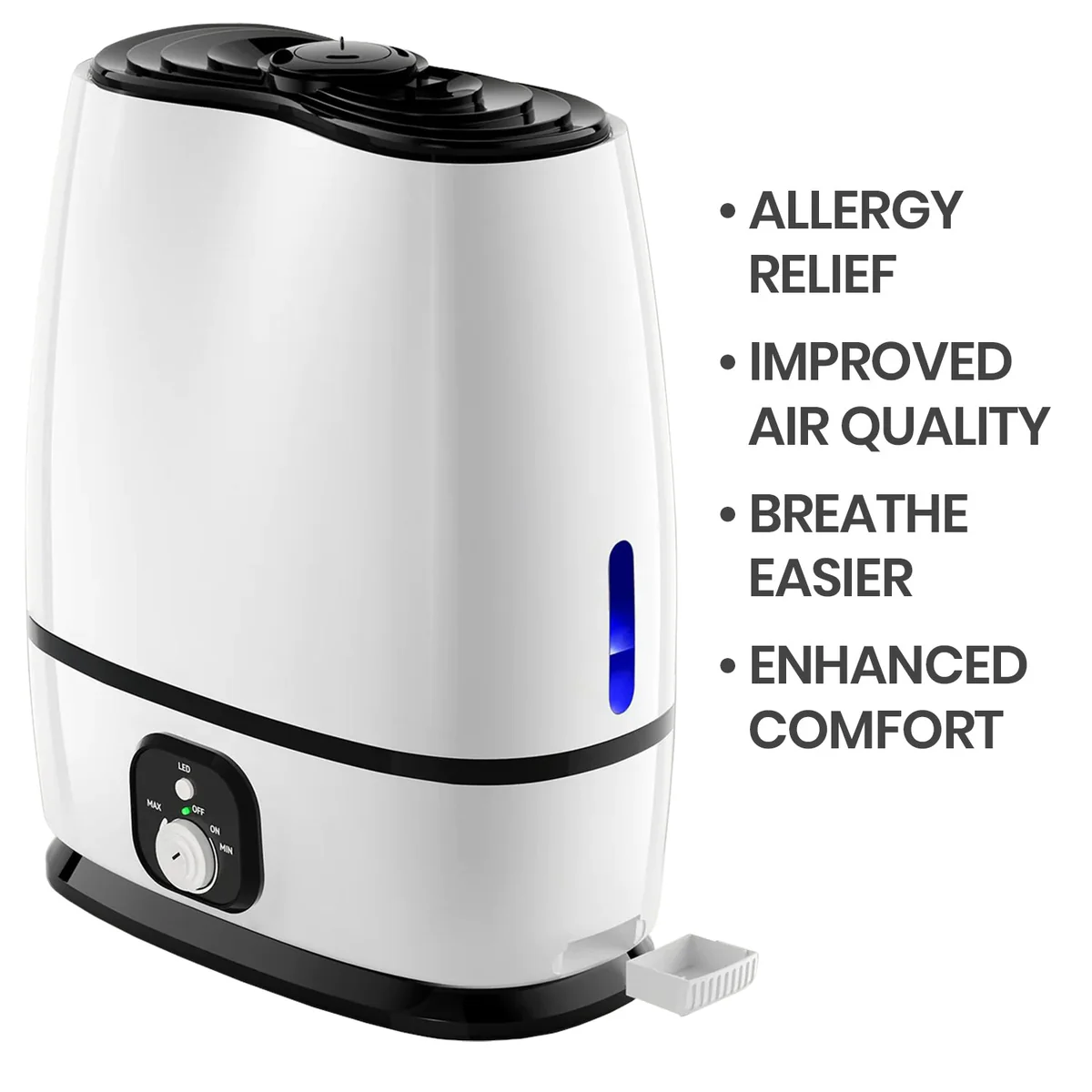
Unveiling the Different Types of Air Humidifiers
Choosing the best air humidifier starts with understanding the different technologies available. Each type offers unique advantages and considerations.
Ultrasonic Humidifiers
These popular humidifiers use high-frequency sound vibrations to create an ultra-fine mist that is silently dispersed into the air. They are renowned for their quiet operation and energy efficiency, making them excellent choices for bedrooms, nurseries, or offices where noise is a concern.
Evaporative Humidifiers
Working on a simpler principle, evaporative humidifiers use a fan to draw air through a moistened wick filter. As air passes through, water evaporates and is released as an invisible, cool mist. These units are often self-regulating, meaning they naturally stop adding moisture once the air reaches a comfortable saturation, reducing the risk of over-humidification. However, they typically use a fan, which can create some ambient noise, and require regular filter replacement.
Warm Mist Humidifiers (Steam Vaporizers)
Warm mist humidifiers boil water to produce a sterile steam that is then cooled slightly before being released into the air. The boiling process naturally kills most bacteria and molds in the water, offering a clean mist. Many find the warm mist soothing for cold and flu symptoms. However, they consume more energy due to the heating element and can pose a burn risk if not handled carefully, making them less ideal for homes with small children or pets.
Cool Mist Humidifiers (Impeller & Evaporative)
Cool mist humidifiers, which include both evaporative and impeller types, add moisture to the air without heating the water. Impeller humidifiers use a rotating disk to create fine water droplets. The main advantage of cool mist humidifiers is their safety, as there’s no hot water or steam involved, making them a top pick for families with children and pets. They can also be more energy-efficient than warm mist models, although some may produce more operating noise.
Choosing Your Ideal Air Humidifier: Key Factors to Consider
Selecting the best air humidifier for your home involves weighing several important factors to ensure it meets your specific needs.
Room Size and Capacity
The size of the area you intend to humidify is paramount. Humidifiers are rated for different room sizes, from small personal units (up to 50 sq ft) to medium room models (up to 500 sq ft), large room units (up to 1000 sq ft), and even whole-house systems. A humidifier that’s too small won’t be effective, while one that’s too large can lead to over-humidification, condensation, and potential mold growth. Check the manufacturer’s recommended coverage area. The water tank capacity also dictates how often you’ll need to refill it; larger tanks offer longer runtimes.
Mist Type (Warm vs. Cool)
Decide whether a warm mist or cool mist humidifier is right for you. Cool mist is generally safer for households with children and pets and is often recommended by pediatricians. Warm mist can be comforting during cold and flu season and offers a germ-killing benefit, but requires caution due to heat. Some advanced models even offer both options.
Noise Level
If you plan to use your humidifier in a bedroom or office, noise level is a significant factor. Ultrasonic humidifiers are typically the quietest, emitting barely a whisper. Evaporative models, due to their internal fans, tend to be louder, producing a gentle white noise that some find soothing, while others might find it disruptive.
Ease of Cleaning and Maintenance
A humidifier that’s easy to clean is a joy; one that’s difficult can quickly become a breeding ground for mold and bacteria. Look for models with wide tank openings, dishwasher-safe parts, and minimal crevices. Filter replacement schedules and costs are also important for evaporative units. “Consistent maintenance is the backbone of any effective air humidifier,” notes Dr. Kieu Anh, a senior environmental health consultant at HumidifyPro Vietnam. “Without regular cleaning, even the best unit can become detrimental to air quality, releasing more than just moisture.”
Smart Features and Convenience
Modern humidifiers come packed with features designed for ease of use and optimal performance. A built-in humidistat is a game-changer, allowing the unit to automatically turn on and off to maintain a desired humidity level. Auto shut-off features are crucial for safety when the water tank runs dry. App control, timers, night lights, and essential oil diffusers are also common additions that enhance the user experience.
Safety
Especially for homes with young children or curious pets, safety features are non-negotiable. Cool mist humidifiers eliminate burn risks. Look for stable designs that are less likely to tip over and easy-to-fill tanks that minimize spills.
Budget
Humidifiers range widely in price, from budget-friendly personal units to high-end smart whole-house systems. Determine your budget but consider the long-term value, including energy efficiency, filter costs (if applicable), and durability.
Beyond Comfort: The Health and Home Benefits of the Best Air Humidifiers
Investing in the best air humidifier offers a wealth of advantages that extend far beyond simply making the air feel less dry.
Boosting Your Health
- Relief for Dry Skin, Lips, and Hair: Dry air strips moisture from your body, leading to itchy, flaky skin, chapped lips, and brittle hair. A humidifier helps replenish this moisture, leaving your skin feeling supple and comfortable.
- Soothing Respiratory Issues: For those struggling with nasal congestion, sinus headaches, sore throats, or cold and flu symptoms, humidified air can provide immense relief. It helps keep mucous membranes moist, easing irritation and making it easier to breathe. Many users find it significantly reduces symptoms of allergies and asthma, especially when airborne irritants are better managed with proper humidity.
- Improved Sleep Quality and Reduced Snoring: Dry air can irritate your throat and nasal passages, contributing to discomfort and worsening snoring. By adding moisture, a humidifier can soothe these irritations, leading to more restful sleep for both you and your household.
- Protection Against Viral Infections: Studies suggest that maintaining indoor humidity levels between 40% and 60% can reduce the infectivity of airborne viruses, including influenza, by making the air less hospitable for their survival.
Preserving Your Living Space
- Safeguarding Wooden Furniture and Floors: Just as dry air affects your skin, it can also draw moisture from wooden furniture, floors, and musical instruments, leading to cracking, warping, and damage over time. A humidifier helps maintain the natural moisture balance in these items.
- Nurturing Houseplants: Many popular houseplants thrive in humid environments. A humidifier can help create a greenhouse-like atmosphere, keeping your leafy companions vibrant and healthy.
- Eliminating Static Electricity: Annoying static shocks, especially common in dry winter months, become a thing of the past with proper humidity levels. Humidifiers help neutralize the static charge in the air, protecting both you and your electronics.
“The long-term benefits of consistent, optimal humidity are truly transformative,” says Dr. Lam, a leading expert in indoor air quality at HumidifyPro Vietnam. “It’s not just about comfort; it’s about investing in the longevity of your home and the health of everyone in it, from the youngest family members to your cherished antique furniture.”
Mastering Your Humidifier: Usage Tips and Maintenance Secrets
To ensure your best air humidifier continues to perform optimally and safely, consistent care is paramount.
Daily Care Routine
Make it a habit to empty and rinse the water tank daily. This simple step prevents stagnant water from becoming a breeding ground for bacteria and mold. Always refill with fresh, clean water. For ultrasonic models, using distilled or demineralized water is highly recommended to prevent the “white dust” caused by minerals in tap water settling on surfaces.
Weekly Cleaning Process
At least once a week, give your humidifier a more thorough cleaning. Unplug the unit, disassemble all removable parts, and clean the base and tank with a solution of equal parts white vinegar and water. Let the solution soak for about 30 minutes to dissolve mineral deposits and kill bacteria, then scrub gently with a soft brush or sponge. Rinse all parts thoroughly with clean water and allow them to air dry completely before reassembling. For disinfection, some manufacturers recommend a diluted bleach solution; always follow specific instructions in your user manual.
Filter Management
For evaporative humidifiers, regular filter replacement is non-negotiable. Filters can become clogged with minerals and mold over time, reducing efficiency and potentially dispersing harmful particles. Check your filter monthly for discoloration or damage and replace it according to the manufacturer’s guidelines, typically every one to three months. Never try to clean a filter with chemicals or soap, as this can damage it and release harmful residues.
Optimal Humidity Levels
While a humidifier adds beneficial moisture, too much humidity can be just as problematic as too little. Aim to keep indoor humidity levels between 30% and 50%. Using a hygrometer (a device that measures humidity) can help you monitor and maintain these ideal levels. Many modern humidifiers come with a built-in humidistat for automatic control.
Troubleshooting Common Issues
- White Dust: This is a common issue with ultrasonic humidifiers, caused by minerals in tap water. Switching to distilled or demineralized water will resolve this.
- Moldy Smell: A musty odor indicates bacterial or mold growth. This is a clear sign that your humidifier needs immediate and thorough cleaning. Consistent daily and weekly cleaning will prevent this.
- Low Mist Output: This can be due to mineral buildup, a dirty filter, or simply needing a refill. Refer to your user manual for specific troubleshooting steps.
“The secret to a long-lasting, effective humidifier is consistency,” advises Ms. Lan, a product specialist at HumidifyPro Vietnam. “Treat it like a trusted appliance, give it regular care, and it will faithfully serve your home’s air quality needs for years to come.”
Frequently Asked Questions
How often should I clean my humidifier?
You should rinse and refill your humidifier’s water tank daily. A more thorough cleaning with a vinegar solution should be performed weekly to prevent mineral buildup and bacterial growth.
What type of water should I use in my humidifier?
For ultrasonic humidifiers, distilled or demineralized water is highly recommended to prevent “white dust” from mineral deposits. For evaporative and warm mist humidifiers, tap water is often acceptable, but distilled water can still help reduce mineral buildup and extend the life of the unit and its filters.
Can a humidifier help with allergies or asthma?
Yes, a humidifier can often help alleviate symptoms of allergies and asthma by keeping the respiratory passages moist and reducing irritation. However, it’s crucial to keep the humidifier clean to prevent the dispersal of mold or bacteria, which could worsen these conditions.
Is a warm mist or cool mist humidifier better for babies?
Cool mist humidifiers are generally recommended for nurseries and children’s rooms due to the absence of a heating element, eliminating any burn risk.
What’s the ideal humidity level for a home?
The ideal indoor humidity level for comfort and health is typically between 30% and 50%. Using a hygrometer can help you monitor and maintain this range.
Your Breath of Fresh Air Awaits
Choosing the best air humidifier is an investment in your well-being and the longevity of your home. With a myriad of options available, understanding the different types, their benefits, and essential maintenance practices empowers you to make an informed decision. From soothing dry skin and improving sleep to protecting your cherished belongings, a humidifier brings a subtle yet significant positive change to your daily life. Experience the difference a perfectly humidified environment can make – a true oasis of comfort and health, right in your own home.