Ever walked into a room and felt that tell-tale dry scratch in your throat, or noticed your skin feeling tighter than usual? Perhaps your houseplants are looking a little droopy, or you’re getting zapped by static electricity every time you touch a doorknob. These are all classic signs that the air in your living space might be too dry. And that’s where an Air Humidifier steps in as your silent, essential hero for a more comfortable and healthier home.
At HumidifyPro Vietnam, we believe everyone deserves to breathe easy and live in an environment that truly supports their well-being. This comprehensive guide will walk you through everything you need to know about air humidifiers, from their fundamental workings to choosing the perfect one for your space and keeping it in tip-top shape. Get ready to transform your indoor atmosphere and discover a world of surprising benefits.
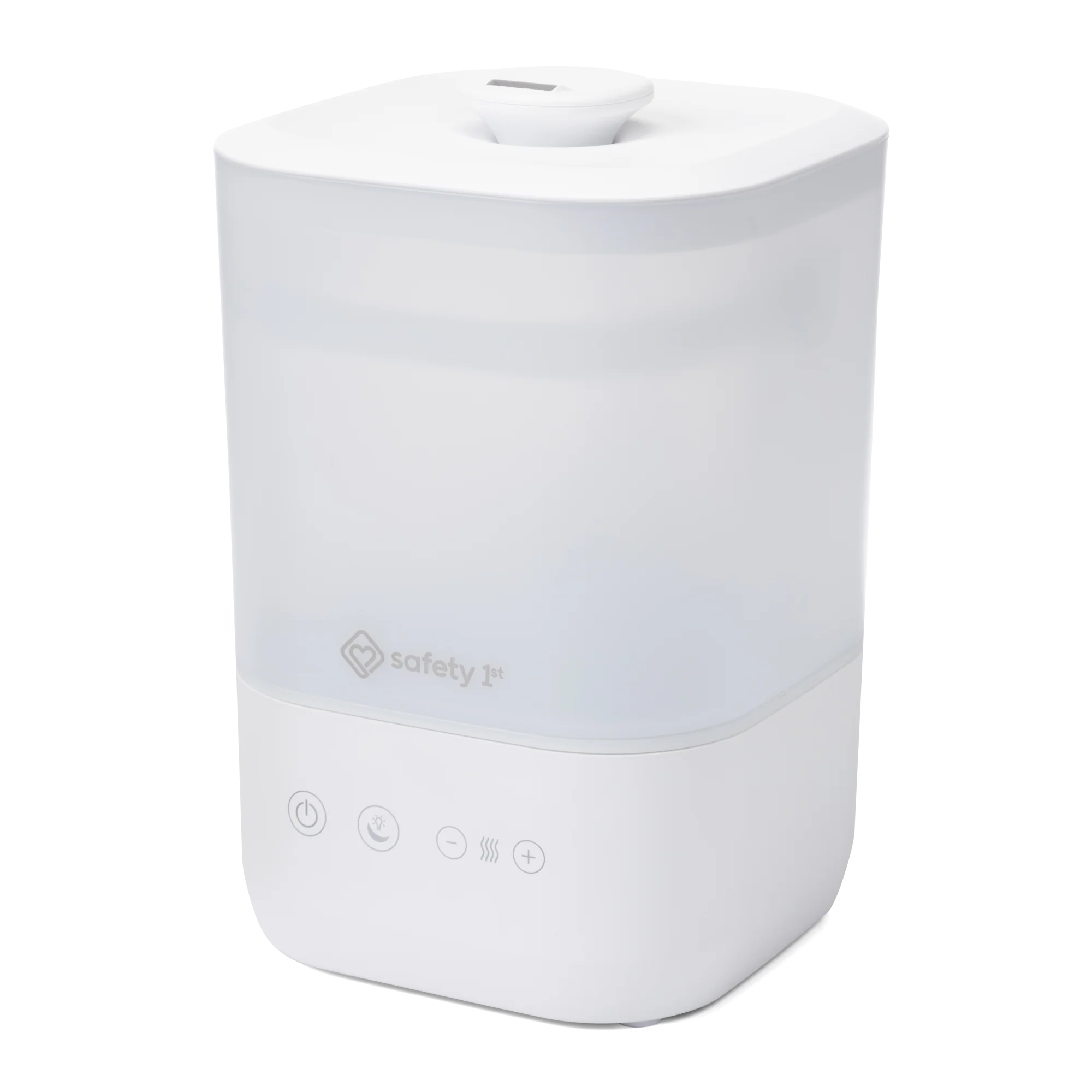
What Exactly is an Air Humidifier and Why Do You Need One?
An air humidifier is simply a device designed to add moisture, or humidity, back into the air. Think of it as your personal weather controller, ensuring your indoor climate is always just right. In many parts of the world, especially during colder months when heating systems are running, or in naturally dry climates, indoor air can become significantly parched. This lack of moisture can lead to a whole host of discomforts and even health issues.
The Environmental Protection Agency (EPA) suggests maintaining indoor humidity levels between 30% and 50% for optimal health and comfort. When the air falls below this range, humidifiers work diligently to disperse fine water vapor or mist, bringing the humidity back to an ideal balance. It’s a simple yet powerful solution to a common, often overlooked, environmental challenge.
The Amazing Benefits of Optimal Humidity for Your Health and Home
The advantages of using an air humidifier extend far beyond just feeling a bit more comfortable. They can profoundly impact your health and even the longevity of your belongings.
Health Perks: Soothe, Protect, Thrive
- Soothes Dry Skin and Respiratory Passages: Dry air is a notorious culprit for parched skin, chapped lips, and irritated nasal passages and throats. An air humidifier helps replenish this lost moisture, keeping your skin supple and your respiratory system happy. It’s like a drink of water for your body, from the outside in. Many people find relief from conditions like eczema and dermatitis when the air isn’t constantly drawing moisture from their skin.
- Fights Cold, Flu, and Allergy Symptoms: When you’re battling a cold or the flu, moist air can be a game-changer. It helps to thin mucus, making it easier to expel and relieving congestion. For allergy sufferers, proper humidity can keep nasal passages moist and less irritated, potentially reducing symptoms. Some studies even suggest that maintaining humidity levels between 40% and 60% can significantly reduce the survival rate and spread of airborne viruses, offering a natural line of defense against seasonal illnesses.
- Enhances Sleep Quality and Reduces Snoring: If you or a loved one struggles with snoring, dry air could be contributing to the problem. By keeping your throat and nasal passages moist, an air humidifier can alleviate irritation and congestion, leading to quieter, more restful sleep. Imagine waking up feeling truly refreshed, without that dry, scratchy feeling in your throat.
Home Advantages: Preserve, Protect, Enhance
- Protects Furniture and Houseplants: Your beautiful wooden furniture, flooring, and even musical instruments can suffer in overly dry environments, leading to cracks, warping, and damage over time. An air humidifier helps maintain the structural integrity of these cherished items by keeping them adequately moisturized. And for your beloved houseplants, especially those tropical varieties, consistent humidity is crucial for vibrant growth and overall health, preventing wilting and browning.
- Eliminates Annoying Static Electricity: Tired of getting zapped every time you touch something metal? Dry air is the prime generator of static electricity. By introducing moisture, an air humidifier grounds those irritating electrical charges, making your home a much more pleasant place to live. No more surprise shocks!
- Potential Energy Savings: Humid air often feels warmer than dry air at the same temperature. This means that during colder months, you might be able to set your thermostat a few degrees lower and still feel comfortable, leading to noticeable savings on your heating bills. It’s a win-win for your comfort and your wallet.
“Many people overlook the subtle yet profound impact of indoor humidity,” says Dr. Anya Sharma, Lead Environmental Health Specialist at HumidifyPro Vietnam. “Maintaining optimal moisture levels isn’t just about comfort; it’s a strategic investment in long-term health and the preservation of your home environment. From mitigating respiratory discomfort to protecting delicate wooden furnishings, an air humidifier plays a pivotal role.”
Decoding the Different Types of Air Humidifiers
The world of air humidifiers offers a variety of technologies, each with its own unique characteristics. Understanding these will help you choose the best fit for your needs.
Cool Mist Humidifiers: Gentle Relief
Cool mist humidifiers release room-temperature mist into the air, making them a popular and safe choice, especially in homes with children or pets, as there’s no heating element involved.
- Evaporative Humidifiers: These units use a fan to draw air through a moistened wick filter, which then disperses invisible moisture into the room.
- Pros: Energy-efficient because they’re self-regulating (evaporation naturally slows when humidity rises), good for larger spaces, and the filter helps trap minerals and impurities from the water.
- Cons: Can be noisier due to the fan, and filters require regular cleaning and replacement, which adds to ongoing costs. If not maintained, the filter can harbor mold and bacteria.
- Ultrasonic Humidifiers: These innovative humidifiers use high-frequency sound vibrations (beyond human hearing) to break water into a fine, cool mist that is then quietly released into the air.
- Pros: Exceptionally quiet operation, making them ideal for bedrooms and nurseries. They are also energy-efficient and quick to produce mist.
- Cons: Can produce “white dust” – a fine powder of minerals from tap water – that settles on surfaces and can potentially be irritating to sensitive respiratory systems. To avoid this, distilled or demineralized water is highly recommended. Regular cleaning is crucial to prevent mineral buildup on the vibrating plate.
Warm Mist Humidifiers: Cozy Comfort
Warm mist humidifiers boil water to create a soothing steam, which is then cooled slightly before being released into the air.
- How They Work: A heating element heats the water, creating steam that is then dispersed. This process naturally kills bacteria and molds in the water before it’s released.
- Pros: The warm mist can be particularly comforting during colder months and may help alleviate cold and flu symptoms more effectively. They tend to be quieter than evaporative cool mist models and produce no white dust. The boiling process sanitizes the water.
- Cons: The heating element can pose a burn risk if the unit is knocked over or touched, making them less suitable for homes with curious children or active pets. They also consume more energy than cool mist models due to the heating process and require more diligent cleaning to remove mineral scale buildup from the heating element.
Vaporizers: Simple and Effective
Often confused with warm mist humidifiers, vaporizers typically use a heating element to create steam that is then released directly into the air. They are generally simpler in design and very effective at humidifying small spaces. They offer similar benefits and drawbacks to warm mist humidifiers regarding safety and energy consumption.
Whole-House vs. Portable Units
Beyond the mist type, humidifiers also come in different sizes and capacities:
- Portable Humidifiers: These standalone units are designed for single rooms or small areas and are easy to move. They come in tabletop, tower, or console designs.
- Whole-House Humidifiers: These systems are integrated directly into your home’s HVAC (heating, ventilation, and air conditioning) system, humidifying the entire house uniformly. While more expensive to install, they offer consistent humidity throughout and require less frequent refilling and maintenance than multiple portable units.
Your Guide to Using and Maintaining Your Air Humidifier Like a Pro
To ensure your air humidifier functions effectively and remains a source of clean, healthy moisture, proper usage and diligent maintenance are key.
Setting the Right Humidity Level: The Hygrometer is Your Friend
Over-humidification can be just as problematic as dry air, fostering mold and mildew growth. Investing in a hygrometer (a device that measures humidity) is essential. Aim for a humidity level between 30% and 50%. Many modern humidifiers come with a built-in humidistat that automatically regulates output to maintain your desired level.
Daily Care Rituals: Easy Steps for Longevity
- Empty and Refill Daily: Don’t let water sit in the tank for more than 24 hours. Old, stagnant water can become a breeding ground for bacteria and mold. Each day, empty any remaining water, rinse the tank thoroughly, and refill it with fresh water.
- Wipe Down Exterior: Quickly wipe the exterior of your unit to remove any dust or debris that could potentially enter the water reservoir.
Deep Cleaning for Health and Efficiency: Vinegar & Bleach Power
A thorough cleaning once a week (or more frequently if you use it constantly or have hard water) is crucial. Always unplug your humidifier before cleaning!
- Descale with Vinegar: To remove mineral deposits (scale), fill the water tank with white vinegar about two-thirds of the way. Let it sit for 20-30 minutes. You can also soak any mineral-crusted parts (like the nebulizer in ultrasonic units) in vinegar. Rinse thoroughly several times until the vinegar smell is gone.
- Disinfect with Bleach (Optional but Recommended): For an extra layer of sanitation, particularly if you suspect mold or bacterial growth, you can use a diluted bleach solution (about one teaspoon of bleach per gallon of water). Swish it in the tank for a few minutes, then empty and rinse meticulously to remove all traces of bleach. Some manufacturers might recommend alternative disinfectants; always check your manual.
- Clean the Base and Components: Use a small brush (like an old toothbrush) or a cloth to scrub any hard-to-reach areas in the base and around the mist outlet.
The Right Water Makes All the Difference: Distilled vs. Tap
This is critical for ultrasonic humidifiers. Tap water contains minerals that, when aerosolized, form “white dust.” This dust can settle on surfaces and be inhaled. To prevent this, always use distilled or demineralized water in ultrasonic units. For evaporative and warm mist humidifiers, while tap water can be used, distilled water will still reduce mineral buildup, extending the life of your unit and its filters.
Filter Know-How: When to Replace and Why
If your air humidifier uses a filter (common in evaporative models), check it regularly for discoloration, stiffness, or any signs of mold. Filters typically need to be replaced every 30-60 days, depending on usage and water quality. Never attempt to clean a filter with harsh chemicals or soaps, as this can damage it and release harmful substances into the air. A clogged or dirty filter won’t allow your humidifier to work efficiently and can spread impurities.
Seasonal Storage
When humidifying season ends, perform a thorough cleaning and ensure all components are completely dry before storing your humidifier in a cool, dry place. This prevents mold and mildew from growing during storage.
Smart Choices: What to Consider When Buying Your Next Air Humidifier
With so many options available, choosing the right air humidifier can feel a bit overwhelming. Here’s a checklist of key factors to guide your decision:
- Room Size and Coverage: A Perfect Match: Humidifiers are rated for specific room sizes (e.g., small, medium, large room, or whole-house). A small unit won’t effectively humidify a large living room, and an oversized unit in a small bedroom could lead to over-humidification. Measure your space and choose a model designed for that square footage.
- Cool Mist vs. Warm Mist: Your Personal Preference: Consider your climate and household. Cool mist is generally safer and often preferred in warmer climates or for year-round use. Warm mist provides a cozy feel and is excellent for cold symptoms, but remember the burn risk.
- Noise Levels: Sleep Soundly: If the humidifier is for a bedroom or office, noise level is a major factor. Ultrasonic humidifiers are typically the quietest, while evaporative models can have noticeable fan noise.
- Ease of Cleaning and Maintenance: This is often overlooked! Look for units with wide tank openings, removable parts, and straightforward cleaning instructions. Models that are difficult to clean will likely not be cleaned often enough, leading to potential health issues.
- Smart Features and Control Options:
- Humidistat: A must-have feature that automatically turns the unit on and off to maintain a preset humidity level, preventing over-humidification and saving energy.
- Auto Shut-Off: For safety and peace of mind, ensure the unit turns off when the water tank is empty.
- Timers, Night Modes, and App Control: These features add convenience and customization to your experience.
- Water Quality & Filtration Needs: If you have hard water, consider an ultrasonic model with a demineralization cartridge or commit to using distilled water to avoid white dust. Evaporative models with filters help mitigate mineral issues, but filters need replacing.
- Warranty and Brand Reputation: A good warranty indicates manufacturer confidence. Research reputable brands known for durability and customer support.
Frequently Asked Questions About Air Humidifiers
Here are some common questions we hear at HumidifyPro Vietnam:
How often should I clean my air humidifier?
You should rinse and refill your humidifier’s water tank daily. A more thorough deep cleaning, typically with vinegar and water (and optionally a bleach solution for disinfection), should be performed at least once a week.
What kind of water should I use in my humidifier?
For ultrasonic humidifiers, distilled or demineralized water is highly recommended to prevent “white dust” from minerals. For evaporative and warm mist models, distilled water is also preferred to minimize mineral buildup and extend filter life, though tap water can be used with more frequent cleaning.
Can an air humidifier help with allergies?
Yes, an air humidifier can help alleviate allergy symptoms by keeping nasal passages moist and reducing irritation. It can also help reduce airborne allergens by making them heavier and settle faster.
Is warm mist or cool mist better?
Neither is inherently “better”; it depends on your needs. Cool mist is safer for homes with children and pets and often preferred year-round. Warm mist can be more soothing for cold and flu symptoms and offers natural sterilization of the water, but poses a burn risk.
What is the ideal humidity level for a home?
The ideal indoor humidity level is generally between 30% and 50%. Levels below 30% are too dry, while levels above 50-60% can promote mold and mildew growth.
Can humidifiers cause mold?
If not properly maintained, humidifiers can become breeding grounds for mold and bacteria, which can then be released into the air. This is why daily rinsing and weekly deep cleaning are absolutely essential. Over-humidification of a room can also encourage mold growth on surfaces.
How do I know what size humidifier I need?
You should choose a humidifier based on the square footage of the room you intend to humidify. Manufacturers usually specify the coverage area for each model (e.g., “for small rooms,” “for large rooms,” or “whole-house”).
Your Journey to Better Air Starts Here
Embracing an air humidifier isn’t just about investing in a piece of equipment; it’s about investing in your comfort, health, and the well-being of your home. By understanding the different types, their myriad benefits, and how to properly care for them, you’re well on your way to creating an optimal indoor environment. Say goodbye to dry skin, static shocks, and uncomfortable breathing, and say hello to a fresher, more vibrant living space. At HumidifyPro Vietnam, we’re dedicated to helping you breathe easier and live better, one perfectly humidified breath at a time.