Stepping into any business space, whether it’s a bustling office, a meticulous manufacturing plant, or a sophisticated data center, you might not immediately think about the air you’re breathing. Yet, the invisible element of humidity plays a monumental role in the comfort, health, and operational efficiency of that environment. For businesses aiming to create an optimal atmosphere for employees, products, and sensitive equipment, a commercial humidifier isn’t just a luxury – it’s a strategic investment. At HumidifyPro Vietnam, we understand the intricate balance required to maintain ideal humidity levels, offering cutting-edge solutions designed to transform your commercial space.
What is a Commercial Humidifier and Why Does Your Business Need One?
At its core, a commercial humidifier is a system designed to introduce and maintain optimal moisture levels within large indoor spaces. Unlike smaller residential units, commercial humidifiers are built to handle extensive areas, often integrating directly with existing HVAC systems to provide consistent and controlled humidification across an entire facility. They do far more than simply add moisture; they are crucial components of a comprehensive climate control strategy.
Why is this so vital for your business? The benefits are far-reaching:
- Improved Indoor Air Quality (IAQ): Proper humidity levels (ideally between 40-60%) can significantly reduce airborne pollutants and allergens. By adding moisture, commercial humidifiers help heavier particles like dust, viruses, and bacteria settle faster, preventing them from circulating and being inhaled, leading to cleaner, healthier air for everyone.
- Enhanced Occupant Comfort and Health: Dry air can lead to a host of discomforts, including dry skin, irritated eyes, scratchy throats, and heightened allergy or asthma symptoms. Optimal humidity creates a more pleasant and comfortable environment for employees and customers alike. Furthermore, maintaining appropriate humidity levels has been shown to reduce respiratory issues and the spread of airborne illnesses, leading to fewer sick days and a healthier workforce.
- Preservation of Goods, Equipment, and Building Structure: Many businesses deal with humidity-sensitive materials, from wood products and textiles to electronics and even certain foods. Low humidity can cause wood to crack, paper to become brittle, and sensitive machinery to malfunction due to static electricity. A commercial humidifier helps protect these valuable assets, extending their lifespan and preventing costly damage.
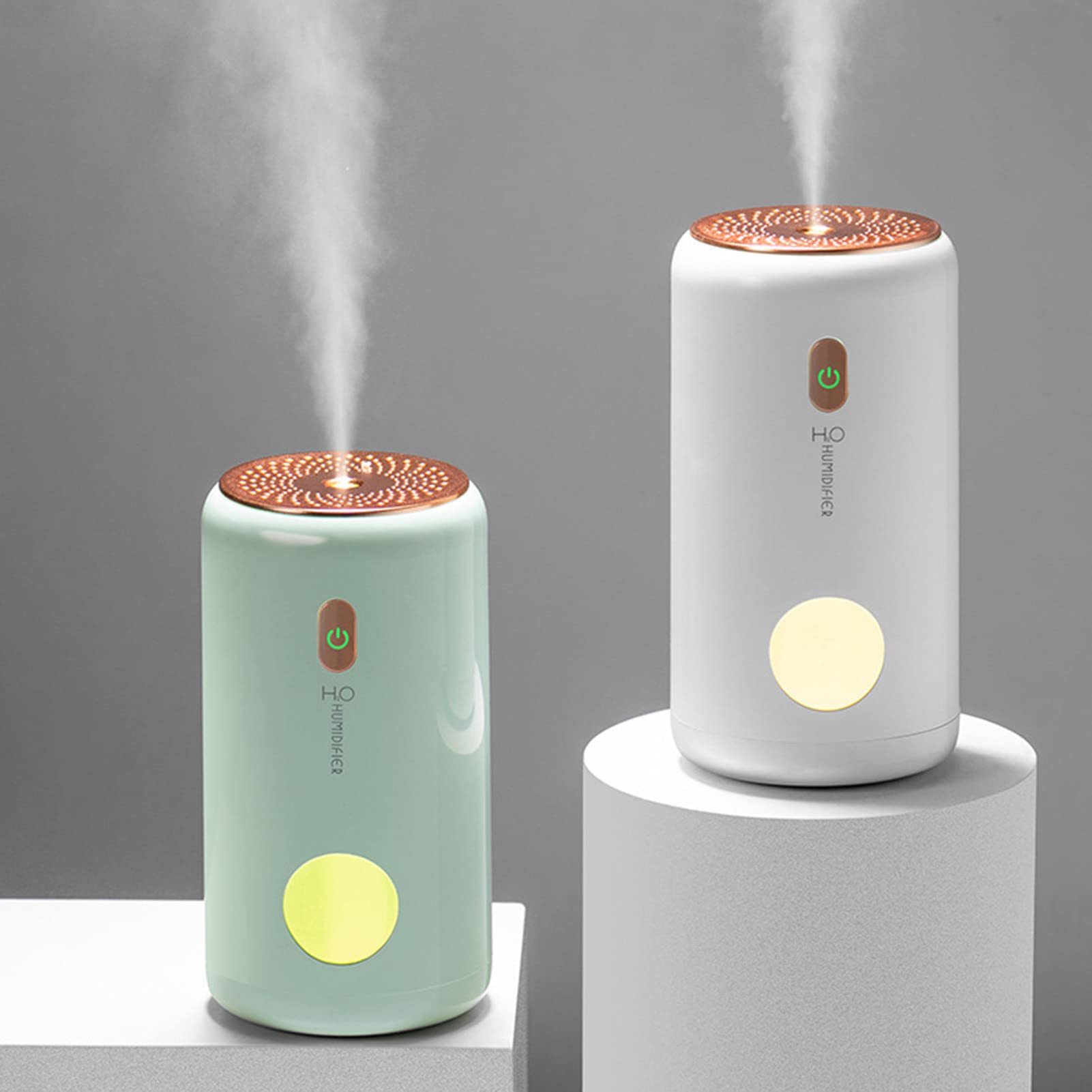
- Reduction of Static Electricity: Static electricity thrives in dry environments, posing risks from mild shocks to employees to potential damage to sensitive electronic devices and even fire hazards in facilities handling flammable materials. Commercial humidifiers effectively neutralize static buildup by increasing moisture in the air, enhancing safety and protecting crucial equipment in spaces like data centers and manufacturing plants.
- Increased Productivity and Reduced Absenteeism: When employees are comfortable and healthy, they are more focused and productive. Research has even suggested that comfortable workers can be up to 13% more productive. By creating an environment free from the discomforts and health risks associated with dry air, a commercial humidifier directly contributes to a more engaged and efficient workforce, ultimately boosting your business’s bottom line.
- Energy Efficiency: Maintaining an optimal humidity range can actually make your heating and cooling systems more efficient. Humid air feels warmer than dry air at the same temperature, potentially allowing you to set thermostats slightly lower in winter. Additionally, adiabatic humidifiers can offer a cooling effect, reducing the load on air conditioning systems during warmer months.
Unpacking the Different Types of Commercial Humidifiers
The world of commercial humidifiers offers a variety of technologies, each with unique operating principles and best-suited applications. Generally, they fall into two main categories: Isothermal (warm mist) and Adiabatic (cool mist). Understanding these differences is key to selecting the ideal commercial humidifier system for your specific needs.
Isothermal Humidifiers: The Warm Mist Advantage
Isothermal humidifiers, commonly known as steam humidifiers, generate moisture by heating water to its boiling point and releasing sterile steam into the air. This method adds heat to the environment, though many systems are designed to minimize this impact.
- Principle of Operation: These systems use various energy sources—electricity, natural gas, propane, or even direct steam from an existing boiler—to boil water. The resulting steam is then dispersed into the air, often through ductwork or directly into the space. The high temperature of the steam ensures a hygienic, mineral-free output.
- Types:
- Electric Resistance Humidifiers: Use electric heating elements to boil water. They offer precise control and are relatively easy to install and maintain, though electric energy costs can be higher.
- Gas-Fired Humidifiers: Utilize natural gas or propane as a fuel source to heat water, often more cost-effective for larger applications where gas is readily available.
- Direct Steam Humidifiers: Tap into an existing steam boiler system within a facility, eliminating the need for separate steam generation. However, care must be taken to ensure boiler chemicals do not enter the air stream.
- Steam-to-Steam Humidifiers: Use a heat exchanger to boil clean water with steam from an existing boiler, ensuring pure, uncontaminated steam is dispersed.
- Pros: Isothermal systems offer rapid response times and exceptionally precise humidity control, making them ideal for environments requiring very specific moisture levels, such as laboratories, healthcare facilities, and certain industrial processes. The high temperature ensures the emitted moisture is sterile and free from microorganisms. [cite: 1, “UNDERSTANDING HUMIDIFICATION SOLUTIONS: SELECTING THE RIGHT TYPE OF HUMIDIFIER”, 4, “What are the different types of humidifiers?”]
- Cons: These humidifiers generally have higher energy consumption due to the energy required to boil water. They can also add a slight heat load to the space, which might be a consideration in cooling-dominated environments.
|
Our Picks for the Best Humidifier in 2026
As an Amazon Associate I earn from qualifying purchases.
|
||
| Num | Product | Action |
|---|---|---|
| 1 | Dreo Smart Humidifiers for Bedroom, Top Fill 4L Supersized Humidifier Large Room with 28 dB, 36H Runtime, Touch/APP/Voice Control, Nightlight, Cool Mist Humidifiers for Baby, Plants, Indoor, Black |

|
| 2 | Dreo Humidifiers for Bedroom, 4L Top Fill for Large Room, 36H Runtime, 28 dB Quiet Supersized Cool Mist Air Humidifier for Baby Nursery, Plants, Indoor, Night Light, Easy to Clean & Fill, White |
|
| 3 | LEVOIT - Humidifiers for Bedroom - Quiet (3L Water Tank) - Cool Mist/Top Fill/Essential Oil Diffuser/25Watt - Home/Large Room - 360° Nozzle - Rapid Ultrasonic Humidification for Baby Nursery/Plant |
|
| 4 | LEVOIT Top Fill Humidifiers for Bedroom, 2.5L Tank for Large Room, Easy to Fill & Clean, 26dB Quiet Cool Mist Air Humidifier for Home Baby Nursery & Plants, Auto Shut-off and BPA-Free for Safety, 25H |
|
| 5 | Dual-spray 400ml Mini Humidifier for Desk - Portable Rechargeable Personal Desktop Humidifiers for Office Car Travel Plants Bedroom Baby, Auto Shut-Off, 2 Mist Modes, Super Quiet, White |
|
| 6 | Homvana Humidifiers for Bedroom Home, 3.6 L Cool Mist Top-Fill 34H Super Long Time, Quiet 23dB, Baby Humidifier, Oil Diffuser for Large Room, House, Plant, Nursery, Office, BPA FREE, Ultrasonic (Grey) |
|
| 7 | LEVOIT Classic 160 Top-Fill Ultrasonic Cool Mist Humidifier, Super Easy to Fill and Clean, Quiet Operation for Bedroom Home Baby & Plants, Auto Shut-off for Safety, 360° Rotating Nozzle, 2.5L, Black |
|
| 8 | LEVOIT OasisMist 1000S (10L) Smart Humidifier for Home Large Room Bedroom, Last 100 Hours Suitable for Indoor Plant, Cover up to 600ft², Easy Top Fill, Remoter & Voice Control, Auto Mode, Quiet, White |
|
| 9 | LEVOIT LV600S Smart Warm and Cool Mist Humidifiers for Home Bedroom Large Room, (6L) 753ft² Coverage, Quickly & Evenly Humidify Whole House, Easy Top Fill, App & Voice Control - Quiet Sleep Mode |
|
| 10 | LEVOIT Humidifiers for Bedroom Large Room Home, (6L) Cool Mist Top Fill Essential Oil Diffuser for Baby & Plants, Smart App & Voice Control, Rapid Humidification & Auto Mode - Quiet Sleep Mode, Gray |
|
Adiabatic Humidifiers: The Cool Mist Innovation
Adiabatic humidifiers introduce moisture into the air through evaporation without external heat, often resulting in a cooling effect as the water absorbs heat from the surrounding air to turn into vapor. This makes them particularly energy-efficient.
- Principle of Operation: Instead of boiling, these systems disperse fine water droplets or mist into the air. As these droplets evaporate, they draw heat from the air, simultaneously humidifying and cooling the environment.
- Types:
- Ultrasonic Humidifiers: Employ high-frequency vibrations to create a fine, cool mist from water. They are typically quiet and energy-efficient, often used in smaller commercial settings or for targeted humidification. [cite: 2, “How to Choose the Best Industrial Humidifier for Commercial Building Projects”]
- High-Pressure Fogging Humidifiers: Force water through tiny nozzles at high pressure, producing an ultra-fine fog that rapidly evaporates. These are highly efficient, offer good control, and are suitable for very large industrial or agricultural applications. [cite: 2, “How to Choose the Best Industrial Humidifier for Commercial Building Projects”]
- Compressed Air Humidifiers: Mix water with compressed air to create a fine mist. These are often used in specialized industrial applications.
- Centrifugal Humidifiers: Use a high-speed rotating disk to break water into fine droplets, dispersing them into the air.
- Evaporative/Wetted Media Humidifiers: Pass air through a moistened pad or media. Water evaporates naturally into the airflow. These are generally inexpensive but may offer less precise control and require more frequent maintenance to prevent microbial growth. [cite: 1, “How to Choose the Best Humidifier for Your Commercial Application”]
- Pros: Adiabatic humidifiers are lauded for their energy efficiency, as they don’t require external heat to vaporize water. The evaporative cooling effect can also reduce the load on air conditioning systems, leading to significant energy savings. They are often a cost-effective solution for humidifying large spaces. [cite: 4, “What are the different types of humidifiers?”]
- Cons: Water quality is crucial for adiabatic systems, as mineral deposits can build up on nozzles or media. If not properly maintained, there’s a higher potential for microbial growth in the water reservoir or on wetted surfaces.
How to Choose the Right Commercial Humidifier for Your Business
Selecting the ideal commercial humidifier is a critical decision that impacts your operational efficiency, occupant well-being, and bottom line. It’s not a one-size-fits-all solution, and careful consideration of several factors will ensure you make the best choice.
- Size of the Space and Coverage Area: The most fundamental factor is the sheer volume of air you need to humidify. Larger facilities, like warehouses or extensive office complexes, will require systems with higher output capacities or integrated into central HVAC. A humidifier’s capacity must match the square footage to achieve consistent humidity levels. [cite: 4, “The Complete Guide to Commercial Humidifiers & Humidity”]
- Specific Application and Target Humidity Levels: What are you trying to achieve?
- Data Centers: Demand precise humidity control (often 40-60%) to prevent static electricity and protect sensitive electronics.
- Museums/Galleries: Need stable humidity to preserve delicate artifacts, artwork, and wooden structures.
- Manufacturing/Industrial: Specific processes (e.g., textile production, printing, food processing) may have narrow humidity requirements to maintain product quality or prevent material damage.
- Offices/Healthcare: Focus on occupant comfort, health, and air quality.
- Integration with Existing HVAC Systems: Many commercial humidifiers are designed to integrate seamlessly with your building’s heating, ventilation, and air conditioning (HVAC) system, ensuring uniform moisture distribution throughout ducted areas. Some standalone or portable commercial units are also available for specific zones.
- Water Quality Requirements and Treatment: The type of water available and your chosen humidifier technology are intertwined. Hard water can lead to mineral buildup (scaling), especially in isothermal systems, necessitating frequent descaling or the use of water treatment solutions like demineralized (DM), deionized (DI), or reverse osmosis (RO) water. Consider the additional costs and maintenance associated with water treatment. [cite: 1, “How to Choose the Best Humidifier for Your Commercial Application”]
- Energy Efficiency and Operating Costs: While the initial purchase price is a factor, focus on the long-term operational costs, particularly energy consumption. Adiabatic systems typically offer lower running costs due to their evaporative cooling effect. Factor in water usage and any associated treatment costs.
- Maintenance Requirements and Ease of Service: All commercial humidifiers require maintenance. Consider how easy the unit is to clean, how often filters or pads need replacement, and the availability of parts or professional servicing. A system that is simple to maintain will save time and money in the long run.
- Budget and Long-Term Value: While initial investment is important, prioritize long-term value. A more expensive, energy-efficient system with lower maintenance demands may prove more cost-effective over its lifespan than a cheaper unit with high running costs and frequent breakdowns.
According to Dr. Linh Nguyen, a leading expert in indoor environmental quality at HumidifyPro Vietnam, “Choosing the right commercial humidifier is like fitting a bespoke suit – it has to be tailored precisely to the unique environment and operational needs of your business. Overlooking any key factor can lead to inefficiencies, unexpected costs, and ultimately, a less effective solution.”
Mastering Commercial Humidifier Maintenance for Longevity and Performance
Consistent and thorough maintenance is paramount for any commercial humidifier system. Neglecting maintenance not only compromises performance and air quality but can also lead to costly repairs and even health hazards. Regular upkeep ensures your system operates efficiently, extends its lifespan, and continues to deliver optimal humidity control.
Here are the key maintenance tasks:
- Daily/Weekly Water Tank Cleaning and Refilling: For units with accessible reservoirs, empty any standing water daily and refill with fresh water. Stagnant water is a breeding ground for bacteria and mold. If using tap water, consider distilled or appropriately treated water to reduce mineral buildup.
- Regular Cleaning of Water-Contacting Parts: At least twice a week, thoroughly clean all components that come into contact with water, including the tank, basin, and distribution nozzles. Use a soft brush and a mild cleaning solution (like vinegar or hydrogen peroxide, following manufacturer guidelines) to remove mineral deposits and biofilm. Ensure all parts are completely dry when the unit is not in use.
- Checking and Replacing Filters/Pads:
- Evaporator Pads/Wicks: In evaporative humidifiers, these pads trap minerals and can become clogged or a breeding ground for microorganisms. Inspect them regularly (every 1-2 weeks) and replace them according to the manufacturer’s recommendations, typically every 1-3 months, depending on water hardness and usage. [cite: 3, “Humidifier Maintenance Guide”]
- Air Filters: If your commercial humidifier has air filters, check them periodically and clean or replace as needed to ensure optimal airflow and prevent dust accumulation.
- Descaling Mineral Buildup: Hard water can lead to significant mineral scale, particularly on heating elements in isothermal humidifiers and nozzles in adiabatic systems. Regular descaling with appropriate cleaning agents (e.g., vinegar or commercial descalers) is essential to maintain efficiency and prevent blockages. [cite: 2, “Everything You Need to Know About Commercial Humidifier Maintenance”, 4, “De-Scaling A Commercial Humidifier And Replacing An SSR”]
- System Checks and Inspections:
- Nozzles and Distributors: Ensure misting nozzles or steam dispersion tubes are clear and free of blockages.
- Sensors and Controls: Calibrate humidity sensors regularly to ensure accurate readings and prevent over or under-humidification. Inspect wiring and control panels for any damage.
- Water Supply and Drain Lines: Check for leaks, clogs, or kinks in water supply lines and drain lines. Ensure pumps and valves are functioning correctly.
- Professional Servicing: Schedule annual professional inspections and servicing. Experts can perform deep cleaning, check internal components, calibrate sensitive controls, and identify potential issues before they lead to breakdowns. This is particularly crucial for complex integrated commercial humidification systems.
By adhering to a consistent maintenance schedule, you safeguard your investment, ensure continuous optimal performance, and provide a healthier, more comfortable environment for your business.
FAQ: Your Top Questions About Commercial Humidifiers Answered
Q1: What is the ideal humidity level for commercial spaces?
A: Most experts recommend maintaining indoor humidity levels between 40% and 60% relative humidity (RH) for optimal comfort, health, and preservation of materials and equipment in commercial settings. OSHA guidelines suggest a range of 20-60%. [cite: 1, “How to Choose the Best Humidifier for Your Commercial Application”]
Q2: How do commercial humidifiers help with health?
A: Commercial humidifiers significantly improve health by reducing the spread of airborne viruses and bacteria, alleviating dry skin, eye, and throat irritation, and easing allergy and asthma symptoms. Optimal humidity levels make it harder for pathogens to thrive and allow the body’s natural defenses to function more effectively.
Q3: Can a commercial humidifier save energy?
A: Yes, in several ways. Maintaining proper humidity can make the air feel warmer in winter, potentially allowing you to lower heating thermostat settings. Adiabatic humidifiers, by their nature, provide a cooling effect as water evaporates, which can reduce the load on your air conditioning system in warmer months. [cite: 3, “Benefits of Having a Commercial Humidifier Installed in Your Building”]
Q4: What’s the difference between a commercial and residential humidifier?
A: Commercial humidifiers are designed for much larger spaces, have significantly higher output capacities (often dispensing 12 gallons of water or more per day), and are typically built for robust, continuous operation. They often integrate with central HVAC systems and offer more precise controls, unlike smaller, portable residential units. [cite: 5, “Commercial Humidification: Understanding the Humidifiers Used”]
Q5: How often should I clean my commercial humidifier?
A: The frequency depends on the type of humidifier, water quality, and usage, but general guidelines suggest daily emptying and refilling of water tanks, cleaning water-contacting parts twice weekly, and regular filter/pad replacement according to manufacturer recommendations. Professional deep cleaning and inspections are recommended annually. [cite: 3, “Humidifier Maintenance Guide”]
Q6: Are commercial humidifiers noisy?
A: Modern commercial humidifiers are designed for quiet operation, especially when integrated into HVAC systems. Ultrasonic and evaporative adiabatic humidifiers are generally very quiet. Steam humidifiers can be slightly noisier due to the boiling process, but advanced models minimize sound output, making them suitable for office environments.
Conclusion: Invest in a Healthier, More Productive Business Environment
The impact of proper humidity control on a commercial environment cannot be overstated. From safeguarding employee health and boosting productivity to protecting valuable assets and ensuring operational efficiency, a well-chosen and diligently maintained commercial humidifier is a cornerstone of a thriving business. At HumidifyPro Vietnam, we are committed to providing you with the expertise and solutions necessary to achieve optimal indoor air quality. By investing in a high-quality commercial humidifier, you’re not just improving the air; you’re cultivating a more comfortable, healthier, and ultimately, more successful future for your business.